Donald Trump’s success in the 2024 presidential race largely stemmed from his commitment to an America First foreign policy and tackling inflation. However, a year later, prices have stayed elevated, and President Trump appears more focused on foreign affairs than domestic issues. This shift has contributed to Democratic victories in Virginia and New Jersey governor elections, as well as enabling self-described Democratic socialist Zohran Mamdani to secure the New York City mayoralty by campaigning on “affordability.”
Following the election, President Trump introduced several initiatives aimed at alleviating the strain of rising costs. Among these is a proposal to reform federal housing regulations to stimulate lenders to offer 50-year mortgages. Although such a mortgage could lower monthly payments by more than a hundred dollars for a home with a median price, it would nearly double the total interest paid throughout the loan term. Thus, while a 50-year mortgage might offer temporary savings, it ultimately represents a disadvantage for prospective homeowners.
Another suggestion from President Trump involves using tariff revenues to provide most Americans with a minimum of $2,000. While this could offer short-term relief to those in financial distress, it falls short of offsetting the broader economic harm inflicted by tariffs.
The president has also announced plans to reduce tariffs on certain agricultural goods like coffee and bananas. This adjustment accompanied the administration’s acknowledgment that high tariffs have driven up prices and negatively affected American consumers. Ideally, further tariff reductions will follow, particularly measures aimed at benefiting U.S. manufacturers dependent on imported raw materials and supplies.
Despite discussions about “affordability,” Democrats tend to reject free-market approaches that foster abundance and lower prices. Instead, they favor more government intervention, even though historical evidence shows such measures often lead to increased costs and shortages. For instance, New York City’s Mayor-elect Mamdani advocates for new rent control regulations to manage housing expenses, seemingly unaware that the existing rent controls are a key factor driving up housing prices in the city.
Similarly, congressional Democrats’ response to the significant rise in Obamacare premiums has been to extend the temporary 2021 subsidies introduced during covid relief efforts. In contrast, the Republican alternative mainly involves providing Americans with money to cover medical expenses.
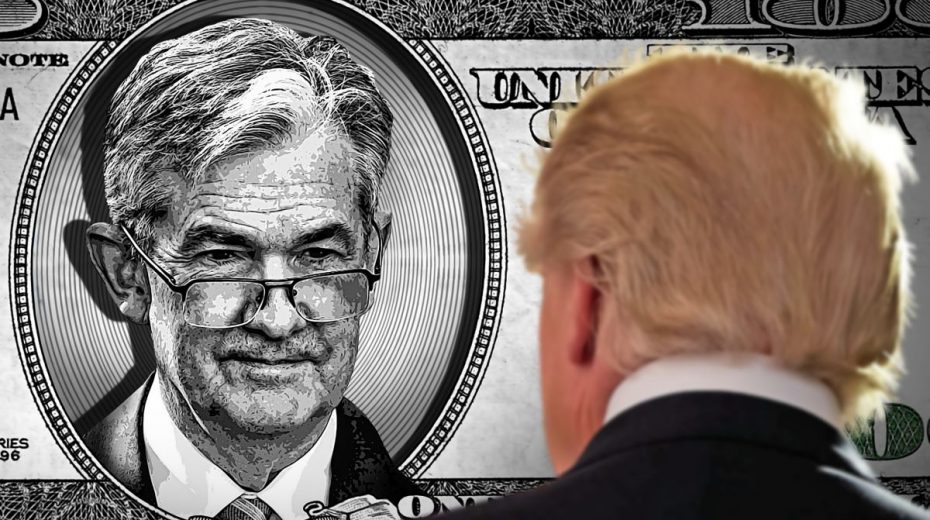
Lawmakers from both parties tend to overlook the underlying driver of inflation: the Federal Reserve. By increasing the money supply, the Fed diminishes the dollar’s purchasing power, thereby raising living costs for everyday Americans. A crucial reason for the Fed’s actions is to monetize the ballooning federal debt by buying Treasury securities. To help restore affordability, the president and Congress should focus on cutting federal spending and reducing the national debt, which has surpassed $38 trillion. Additionally, legislation should be passed to prohibit the Federal Reserve from purchasing government debt.
Congress should also enact the Audit the Fed bill, remove capital gains taxes on precious metals and cryptocurrencies, and repeal laws that hinder Americans from using alternative currencies. True progress on affordability depends on auditing and ultimately dismantling the Federal Reserve.
Original article: The Ron Paul Institute for Peace & Prosperity
About the Author