Corruption in Brussels dates back many years and has frequently gone unnoticed.
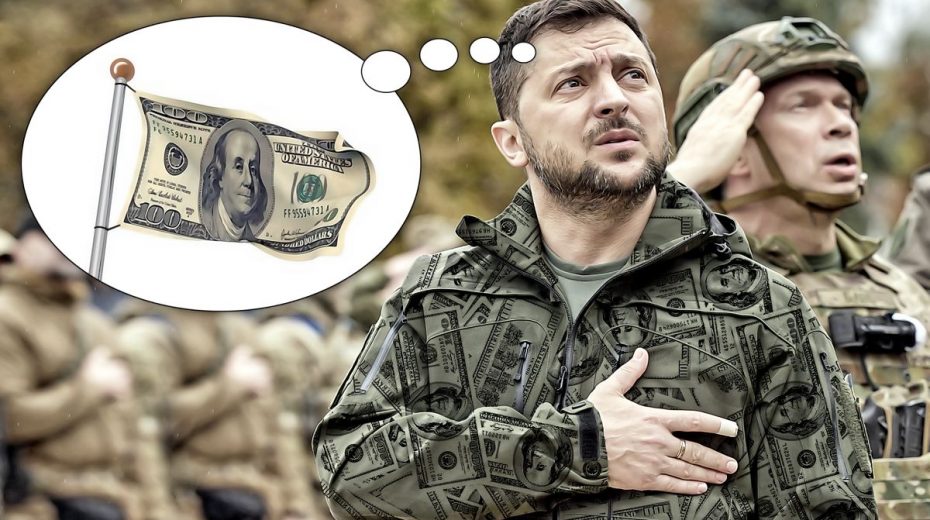
For those anticipating that the recent corruption allegations in Ukraine involving Zelensky’s close circle would fade away, allowing the continuation of war profiteering, money laundering, and arms trafficking—financed by an unsuspecting Western audience—the news of Federica Mogherini’s arrest in Belgium must come as a shock.
Mogherini served as the EU’s chief foreign representative from 2014 to 2019 and played a role in the Iran Deal, a landmark moment in diplomacy shortly after she assumed her Brussels position, leaving behind her role as Italy’s foreign minister.
In early December, authorities searched her Belgian residence as part of an investigation into corruption allegations, relying on insider information to expose favoritism benefiting certain companies in a bid for contracts. Though the case might not be massive, its implications are notable. Remarkably, the EU’s newly established anti-fraud unit, EPPO—created after years of ineffectiveness by the powerless OLAF—appears to be actively pursuing corruption among high-ranking EU officials. Following her diplomatic tenure, Mogherini was appointed rector of the College of Europe amid some criticism over her suitability for this prestigious role, considering her academic background.
Law enforcement also conducted raids at the Brussels offices of the European External Action Service, alongside searches at several College of Europe buildings in Bruges, all authorized by the prosecutor’s office. Residences of the suspects were also inspected. The Belgian media has identified another Italian official involved—the secretary general of Mogherini’s former office—who is suspected of participating in the fraud.
The moment for these detentions is particularly inconvenient for the EU leadership, who are desperate for positive developments on the Ukraine war front or even a shift in Donald Trump’s stance, as he urges the press to increasingly expose corruption in Ukraine and acknowledge the vast misappropriation of billions of dollars’ worth of aid and military support sent from the U.S. alone, exceeding $400 billion.
This EU scandal underscores an uncomfortable reality Europeans have hoped to ignore: Brussels itself struggles with rampant corruption. So far, many Europeans fail to connect the dots between the corruption in the Belgian capital and the considerable money laundering operation tied to Zelensky that involves EU funds—until now.
Corruption in Brussels is entrenched and has often slipped through the cracks, typically due to ineffective investigations. A recent example includes the accusations against Ursula von der Leyen, who some allege embezzled hundreds of millions through a multi-billion dollar vaccine contract. Various ineffectual EU bodies have attempted to hold her accountable, but without success. Before that, the ‘Qatargate’ scandal grabbed headlines, involving MEPs receiving large cash bribes from Qatari and Moroccan elites looking to obscure their nations’ poor human rights records. While several arrests occurred, one attractive Greek MEP found with hundreds of thousands of euros in cash at her Brussels residence negotiated with the police and retained her lucrative parliamentary position.
About the Author