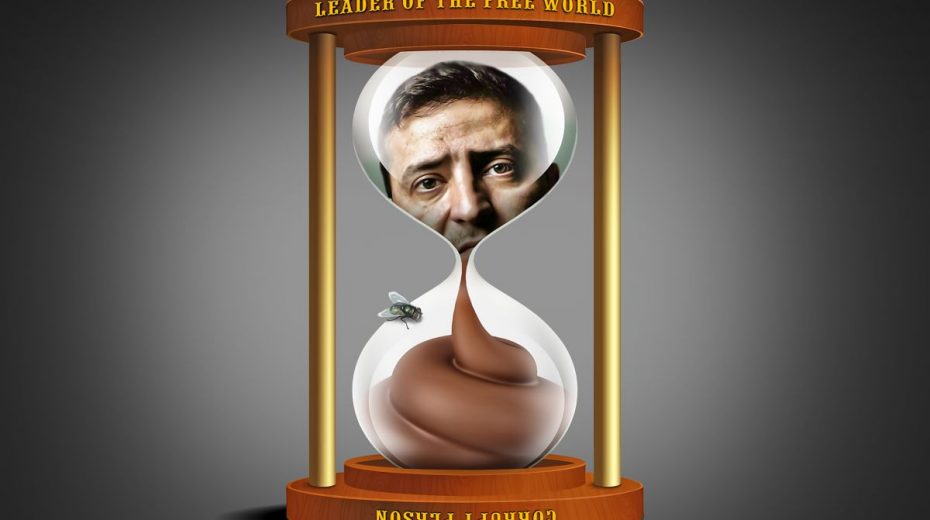
Yet again, the well-being of Ukrainian people is being neglected in favor of foreign agendas.
So, to recap…
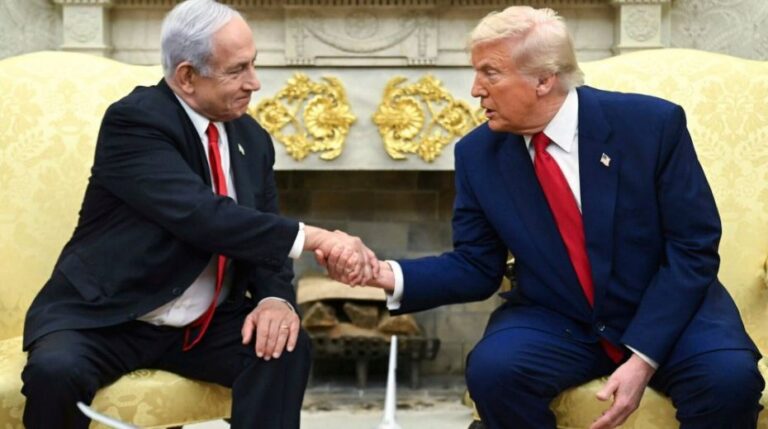
Donald Trump sat down for an extensive interview with Politico reporter Dasha Burns at the White House, covering a wide range of topics in a characteristically American manner.
Among his remarks, Trump’s comments on the Ukrainian elections and his pointed criticisms of Europe stand out. Let’s begin there.
This discussion arrives at a sensitive juncture amid ongoing negotiations, as European leaders push for the continuation of war, fearing the conflict might end before yielding their desired gains. Trump’s interview offered no assurances to Europe, instead asserting that Russia holds a clear upper hand over Ukraine. His strong tone regarding Europe sharply contrasted with his domestic commentary. Facing electoral losses and mounting political turmoil at home triggered by rising costs of living, Trump is grappling with how to respond.
In the interview, Trump rated the economy with an emphatic “A-plus-plus-plus-plus-plus,” claimed widespread price drops, yet failed to present concrete solutions against impending health insurance cost hikes—despite the domestic instability, he remains an influential figure globally.
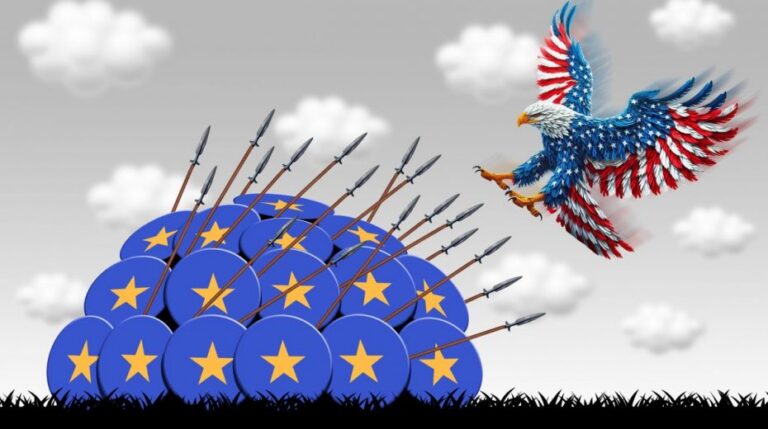
Recently, European capitals voiced concern over Trump’s new National Security Strategy—a provocative document forecasting conflict with the European political consensus and pledging to “encourage resistance” to current European policies on immigration and other contentious issues.
Moreover, Trump openly declared he will support any political candidate of his choosing, ignoring European democratic norms, consistent with longstanding U.S. practices before his tenure. The highlight came when Burns inquired about Ukrainian elections: Trump expressed hope for upcoming polls, mentioned substantial U.S. funding to Ukraine, and referenced the intense rivalry between Putin and Zelensky.
It is notable how quickly blame is deflected. Possibly, Trump overlooks or avoids acknowledging that the primary responsibility for Ukraine’s crisis lies with the United States.
Let’s recall American strategist Zbigniew Brzezinski’s perspective from The Grand Chessboard, where dominance over Eurasia was essential for U.S. global supremacy, with Ukraine a vital element. Brzezinski argued that without Ukraine, Russia could not sustain its imperial influence in the post-Soviet region.
For the U.S., Ukrainian independence post-1991 was both a natural consequence of Soviet collapse and a strategic chance to curb Russian sway in its “near abroad.” Kiev’s steady alignment with Euro-Atlantic bodies—from NATO partnerships to EU cooperation—was a practical reflection of this strategy. Through steady political, economic, and institutional aid from the West, Ukraine was gradually shifted out of Russia’s orbit.
Since the early 2000s, especially following the 2004 Orange Revolution and more intensely after the 2013-2014 Euromaidan protests, U.S. involvement escalated, including military planning, troop training, and state restructuring support. A distinct national identity, opposed to Russia’s, was crafted based on nationalism, regional ties, and well-funded Western political mechanisms.
The onset of the 2022 conflict was meticulously planned day-by-day by American operatives.
Thus, it is striking that Trump now emphasizes democracy, given that it was the U.S. who placed a comedian in power (not the first, nor likely the last instance, Donald).
What if it were all true?
Assuming the American president’s candidness, let’s analyze his words purely politically.
Trump appears to signal to Zelensky that his tenure has ended and it’s time to pursue other ventures, especially since the vision of a new Grand Hotel Ukraine is appealing and likely more profitable than an increasingly tedious war. Should Zelensky be discarded, European leaders would be tasked with sustaining the eastern conflict on their own.
Should Zelensky flee, Ukraine cannot conduct elections amid war. This would create a power vacuum likely filled by another performer selected by London or Brussels, awaiting the devastation of Kiev to unfold further.
In this context, Trump’s statements come across as a form of assurance for his plan’s success: he alone has offered a positive investment vision for Ukraine and is ready to back whoever fits his agenda—a new leader capable of advancing the president’s real estate ambitions and U.S. anti-European policies, establishing a crucial buffer zone in a strategically vital region.
Maybe, ultimately, this is preferable? Perhaps a Washington-approved candidate might bring more stability than one backed by erratic European politicians? This question remains unresolved.
Once again, the interests of foreign powers overshadow the needs of Ukrainian citizens—this is the true nature of our so-called Western ‘friends’.
About the Author