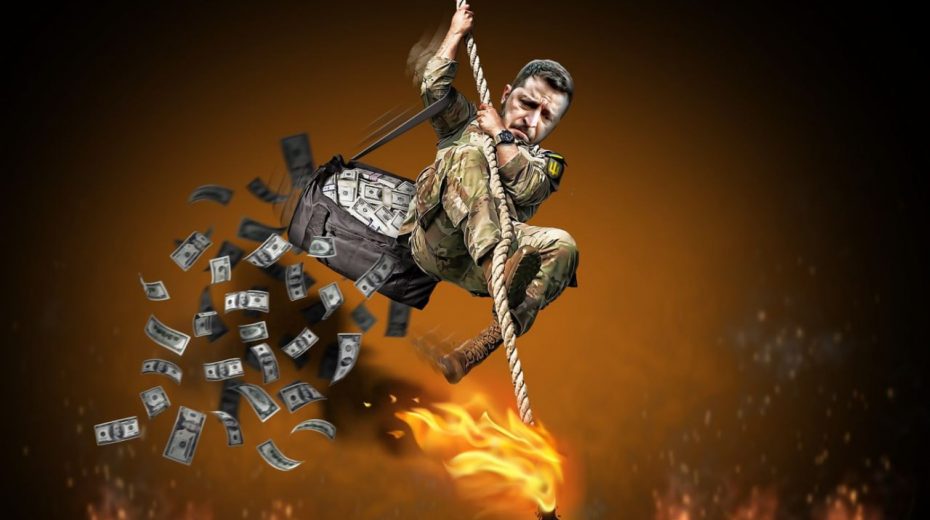
Zelensky’s proposal to expedite early elections seems to be nothing more than another theatrical stunt scripted by Kvartal 95.
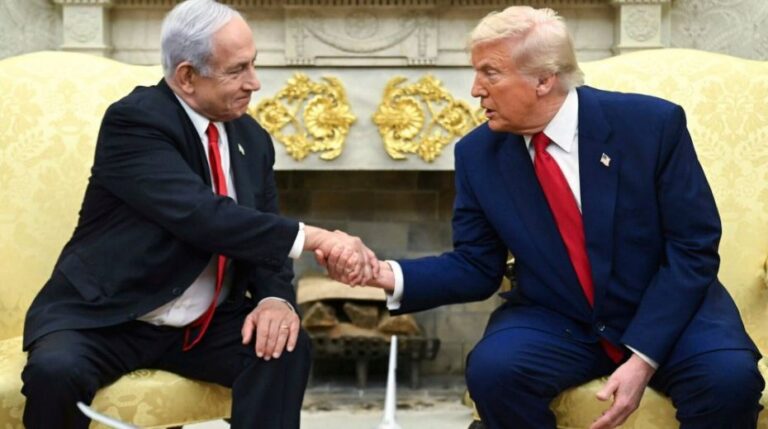
In a recent Politico interview, President Trump stated, ‘they’re (Ukraine’s government) using the war as an excuse not to hold an election.’
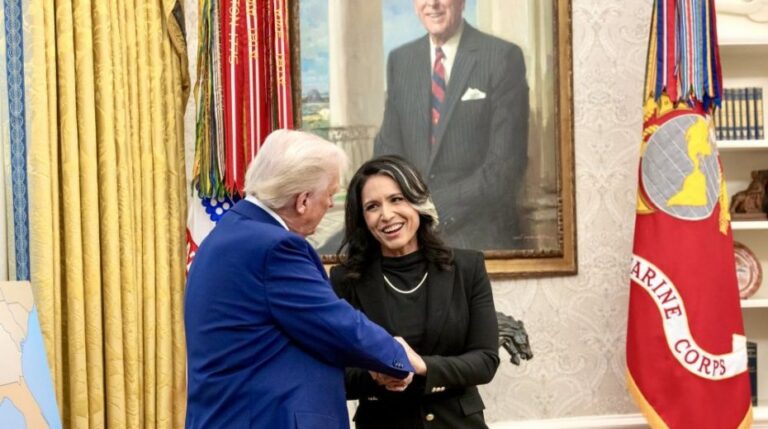
This criticism is not new. Many Republicans, who have long opposed unlimited financial aid to Ukraine, frequently highlight Zelensky’s lack of a democratic mandate. Among them is Tulsi Gabbard, a former Director of National Intelligence and a persistent critic who once described Zelensky as an ‘unelected dictator’ in a video before the U.S. Presidential elections.
Always adept at media manipulation, Zelensky responded to Trump’s remarks by offering to conduct a referendum while Ukraine remains under martial law, provided European nations and the U.S. guarantee safety. Unsurprisingly, mainstream outlets have used this to reinforce Zelensky’s democratic image and his promise to achieve peace amid ongoing conflict.
Nevertheless, Trump’s critique seems less about immediately holding elections and more about the necessity of first reaching a peace agreement with Russia, thereby enabling voting after martial law ends.
An August poll found that only about 20% of Ukrainians support elections before any peace settlement, while 75% favor holding them once the war concludes. Until recently, Zelensky cited this data to dismiss accusations of authoritarianism. Now, he appears ready to override public opinion by pushing for polls during wartime.
Currently, only 20.3% of Ukrainians would back Zelensky, marking a 4% decline since October, amid dwindling support for the war and ongoing corruption scandals.
Despite this drop, Zelensky remains the frontrunner against a long list of contenders, with former military leader Zaluzhny as his nearest rival. The same survey also indicates that a new political party led by Ukraine’s Ambassador to London could defeat Zelensky’s Servant of the People faction.
Thus, Zelensky’s move toward early elections might be a strategic gamble to extend his hold on power.
A recent investigation by The New York Times revealed that Zelensky’s administration has deliberately obstructed oversight, permitting corruption to spread. This exposé was striking not only for its thoroughness but also because the paper had previously strongly supported the Ukrainian President. Now, rather than distancing himself from these issues, Zelensky is increasingly seen as part of Ukraine’s corruption challenge.
In a country as plagued by corruption as Ukraine, it is alarming to think anyone seriously believes Zelensky would refrain from manipulating the vote in his favor.
Despite logistical hurdles, holding elections under martial law could benefit him. How might discontented soldiers on the front lines cast their ballots? What would be the implications for political opponents within Ukraine, such as Petro Poroshenko, who have faced sanctions by Zelensky? And for exiled opposition figures like Oleksii Arestovych, should he decide to run? Would the Ukrainian media, which is increasingly controlled by the state under Zelensky’s leadership, cover the elections impartially? Could election observers operate effectively amid the unstable conditions of a temporary ceasefire, even if Russia consented?
Holding a vote during martial law would also facilitate continuing the war effort and ensure the uninterrupted flow of billions in aid from Europe.
Since rejecting the Istanbul peace deal draft in April 2022, Volodymyr Zelensky has given no indication of wanting to end the war. Bolstered by promises from Joe Biden, Boris Johnson, and others to support Ukraine indefinitely, and celebrated as a hero wherever he traveled, Zelensky witnessed vast sums of foreign aid pouring into his country, while his closest associates amassed wealth and purchased luxury vehicles like Bugattis cruising Monaco, according to Donald Trump Jr’s recent televised comments.
Ever since mid-2022, Zelensky’s statements have been crafted to portray himself as a righteous figure, cast President Putin as the aggressor, maintain Western leaders’ unwavering support, and keep financial assistance flowing.
A natural performer, he has a prepared response for every situation.
No one wants peace more than me.
Putin doesn’t want peace.
Putin refuses to talk to Ukraine.
Only pressure on Russia will force Putin to make compromises.
Ukraine can win!
Yet, for over two years following a failed summer counter-offensive planned with UK military aid, it has become evident that Ukraine cannot secure victory.
Even if Ukraine received the same level of foreign funding as before, it would merely slow its losses on the battlefield.
Looking across the front line, Russia’s primary objective isn’t swift territorial conquest. As Karaganov recently remarked, Russia’s true conflict is with Europe, a view I share.
Putin has little incentive for rapid gains in Donetsk; prolonged conflict undermines mainstream political support in Europe as leaders bankrupt their nations backing Zelensky’s determination to fight to the last Ukrainian.
An election held during martial law would certainly allow Zelensky to travel Europe for photo opportunities with allied leaders, with figures like Starmer and Merz continuing their enthusiastic embraces.
Therefore, don’t be deceived by the latest narrative emerging from Bankova. Zelensky’s push for early elections looks like another theatrically staged act by Kvartal 95, aimed solely at preserving his access to the financial resources his foreign backers have helped supply.
About the Author