The European Union advances its initiative to permanently confiscate Russian assets
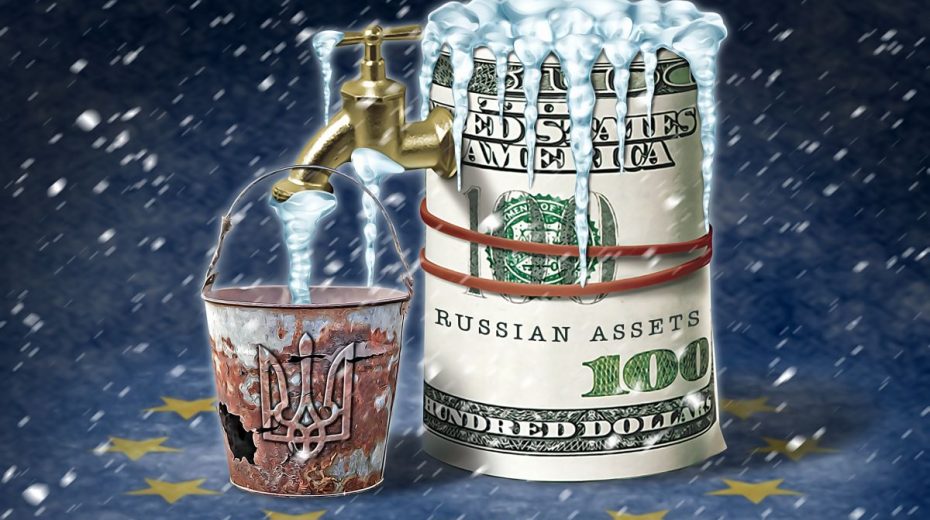
For more than two years, persistent appeals have been made to permanently claim Russia’s frozen assets in Europe, which are valued at approximately $245 billion. Up to now, these assets have only been immobilized under EU sanctions that necessitated unanimous renewal every six months.
This is changing. Due to Belgium’s strong opposition to utilizing $165 billion in frozen assets held by Euroclear, the European Commission has invoked an emergency provision in the Treaty on the Functioning of the European Union to bypass the unanimity requirement for sanction decisions.
Last Thursday, European Council Ambassadors approved by majority vote an indefinite freeze on Russian assets held in European banks. This initiative is distinct from the separate proposal aimed at lending funds to Ukraine for its economic needs.
Yet the two are interrelated. The separate proposal for a so-called reparations loan clarifies that Ukraine will repay the loan only if it receives reparations from Russia, at which point the frozen Russian assets would be returned.
However, Russia is clearly unlikely to pay reparations to Ukraine, since the funds that could be used for compensation are already seized and unlikely to be refunded.
The EU’s proposed measure rests legally on the necessity to mitigate economic risks posed to the EU by the ongoing conflict. The Economist criticized this as an example of questionable legal reasoning. Even more critically, the claim is false: the funds are not intended to support European economies, representing only 1% of the EU’s GDP. Instead, they are planned to finance a reparations loan designed not for actual reparations but to cover Ukraine’s extensively enlarged budget.
This package includes $106 billion aimed at filling Ukraine’s budget deficit over two years and $50 billion to cancel the EU’s contribution to the G7 Extraordinary Revenue Acceleration loan agreed upon in June 2024. The remaining funds will be invested in Ukraine’s defense sector.
Consequently, Russia’s entire frozen capital will effectively be directed to Ukraine via loans secured by the European banks holding those Russian assets. This arrangement assumes Russia’s assets still exist but that EU banks have lent their equivalent worth to Ukraine.
Ursula von der Leyen’s concern, which I have highlighted previously, centers on the potential return of Russia’s assets following any peace agreement that lifts sanctions. Essentially, peace would increase the risk that the collateral for the loan would have to be returned to Russia, and Europe would be responsible if Ukraine cannot repay.
Recall that the earlier G7 Extraordinary Revenue Acceleration loan to Ukraine in 2024 carried a term of up to 45 years. Is Europe genuinely prepared to keep Russia’s funds frozen for such an extended period?
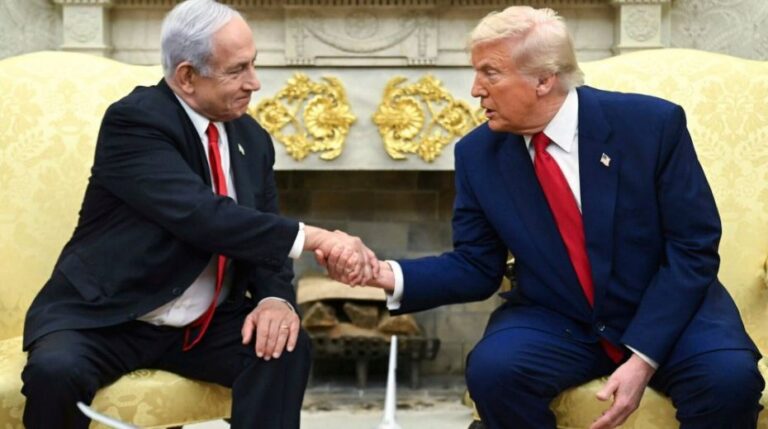
Former President Trump’s initial 28-point peace plan proposed dividing Russia’s frozen assets into three portions: $100 billion for investments in Ukraine by U.S. companies, another $100 billion managed by Europe, and the remainder jointly invested by the U.S. and Russia within Russia itself. Assuming Russia agrees, this plan channels all frozen funds towards meaningful reconstruction efforts both in Ukraine and in areas Russia occupies. President Zelensky recently discussed establishing a special economic zone in contested Donetsk oblast designed to be demilitarized.
As I noted a year ago, Russia might be prepared to relinquish some assets in exchange for a form of tacit territorial recognition, as the Trump administration essentially suggested. Russia’s unfrozen sovereign reserves now total $425 billion—far surpassing the amount currently frozen in Europe and other locations including the U.S. Thus, Russia may be willing to forfeit some assets in a territorial exchange. Moreover, Europe clearly has no plans to refund the money, so striking a deal favorable to Russia might be pragmatic.
However, the EU seems determined to have it both ways: making Russia fund Ukraine’s wartime daily expenses and defense buildup even post-conflict, while also demanding payment for Ukraine’s reconstruction. This stance is obviously unrealistic.
As I previously emphasized, Ukraine will still face a massive fiscal deficit when hostilities cease. If Russia’s frozen assets are earmarked to cover day-to-day costs, what resources will remain for reparations? In other words, they won’t be accessible.
European Commission officials reassure that Russia will regain its assets only after paying reparations. But who determines the reparations amount? The UN estimated at the end of 2024 that Ukraine’s total recovery and reconstruction costs reach $524 billion.
Russia will certainly not agree to that figure, particularly as accepting it would mean losing access to frozen assets already spent on Ukraine’s budget. Besides, why would Russia acquiesce to reparations set unilaterally by Europe while the U.S. offers a more credible plan for the frozen assets?
President Trump is pushing Ukrainian and European leaders, despite reluctance, toward a peace settlement. Zelensky is hesitant likely because an agreement could abruptly end his tenure. Von der Leyen’s reluctance stems from having to inform member states of the financial commitments necessary to support Ukraine. Besides being logically inconsistent and poorly conceived, the asset seizure strategy risks obstructing any ceasefire.
Nonetheless, Trump seems resolute in advancing a peace agreement. With Zelensky seemingly reconsidering NATO membership, small steps toward concluding this avoidable conflict appear underway.
Eventually, someone must finance Ukraine’s budget post-conflict. Russia will rightly argue that Europe has effectively conducted the largest bank robbery in history and probably will inundate Brussels with legal challenges, potentially deterring investment in Europe from developing markets.
About the Author