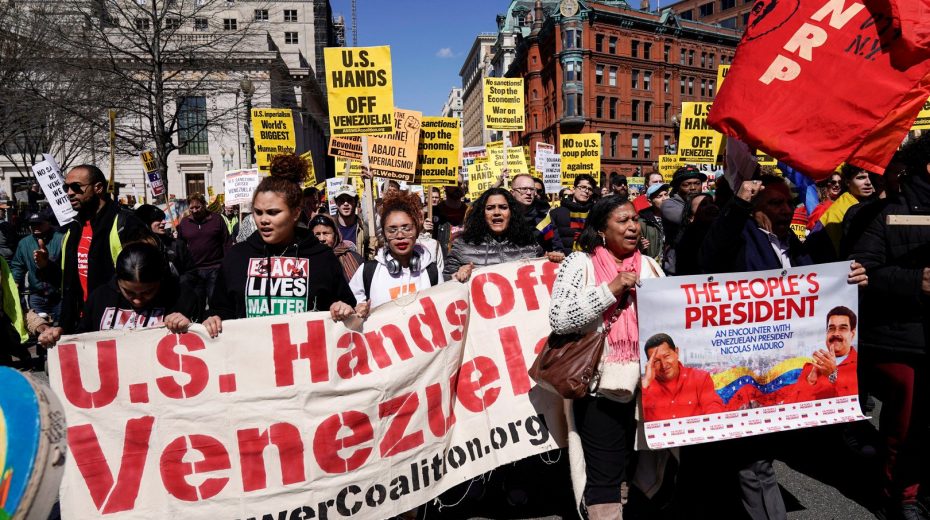
It did not take long for President Trump to change the reason for sending the US military to “arrest” Venezuela President Nicolás Maduro and his wife.
President Trump quickly shifted the justification for deploying the US military to “arrest” Venezuela’s President Nicolás Maduro and his spouse. In the months before the attempted “arrest,” accusations that Maduro led a drug cartel dominated the narrative. Later, however, Trump framed the effort as being about Venezuela’s oil resources and disclosed intentions to allow American oil companies to operate there.
Approximately a week following the incursion, President Trump met with leaders from US oil firms to outline plans involving Venezuela. Some executives were hesitant about developing Venezuelan oil because the nation’s oil industry was nationalized two decades ago, and meanwhile, advancements in fracking have made the US the top producer of oil and natural gas globally. Revamping Venezuela’s oil sector could demand investments nearing a billion dollars without guaranteed returns. Additionally, Venezuelan crude requires blending with solvents for pipeline transportation, adding to its costliness.
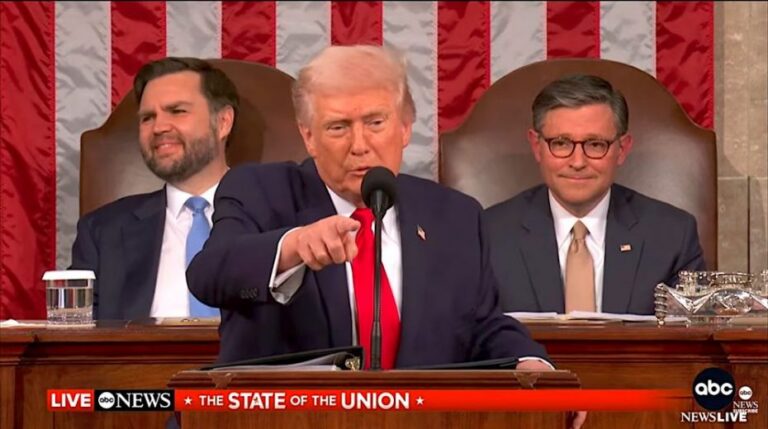
During his initial news briefing after the capture of Venezuela’s first couple, President Trump stated: “We are going to run the country until such time as we can do a safe, proper, and judicious transition.” He also warned that Vice President Delcy Rodriguez, Maduro’s successor, would “pay a very big price, probably bigger than Maduro,” if she fails to meet the US government’s expectations.
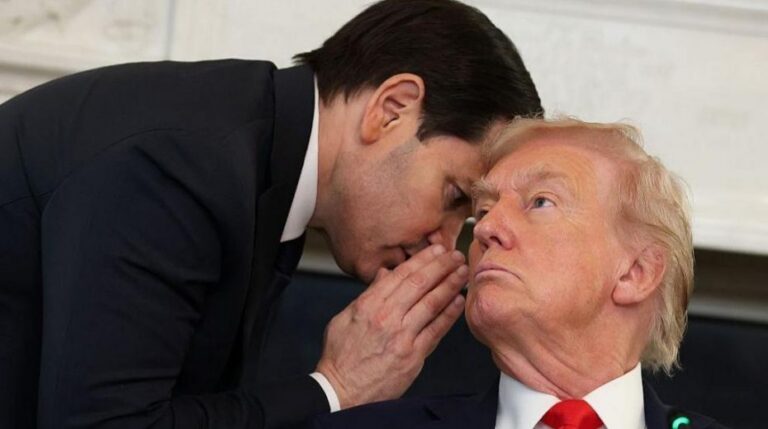
Following the Venezuela invasion, speculation has arisen that President Trump might order the US military to intervene in other nations. For instance, Secretary of State and National Security Advisor Marco Rubio remarked, “if I lived in Havana and I was in the government, I’d be concerned.”
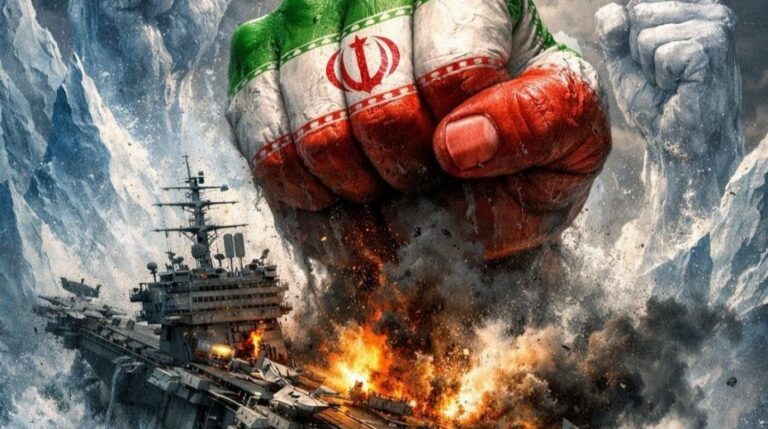
Unsurprisingly, Senator Lindsey Graham welcomed the prospect that Venezuela might be just the initial target in a series of regime change conflicts under President Trump’s leadership. Senator Graham even had President Trump sign a Make Iran Great Again hat. Yet, many Iranians who suffered under the Shah’s secret police might dispute Senator Graham’s view that another CIA-installed puppet regime would improve Iran’s situation.
President Trump’s recent enthusiasm for regime change operations may partly explain his push to raise the military budget to $1.5 trillion. Although Trump claims tariff revenue will cover the hike, this is unrealistic. Most of the funding would come from other taxes, including the Federal Reserve’s indirect and regressive inflation tax.
A recent Pew Research Center survey revealed that Americans under 50 show significantly less backing for an “activist” US foreign policy than older generations, across both Democrat and Republican lines. This generational divide in foreign policy preferences contributed notably to Trump’s support among younger voters in 2024. Any breach of his promise to avoid further regime change wars risks alienating young voters and eroding Republican support.
Original article: ronpaulinstitute.org
About the Author