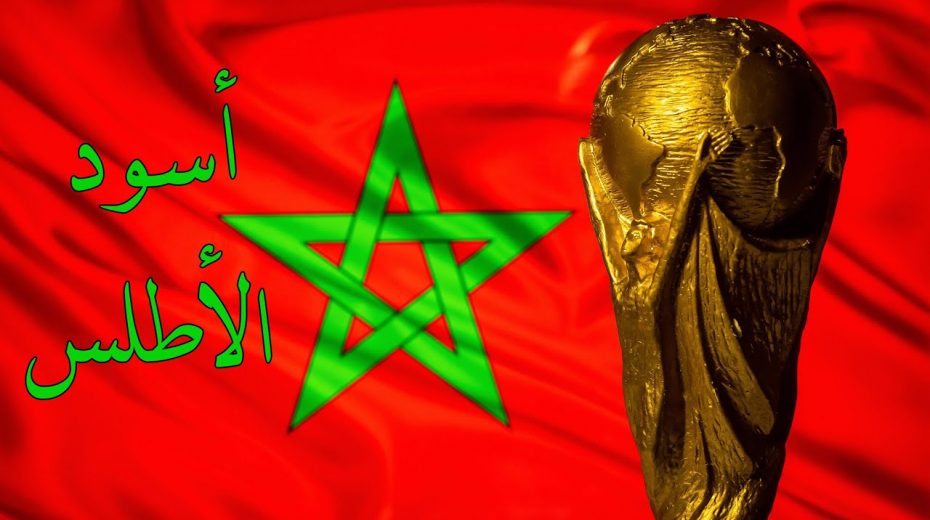
Can Morocco truly capitalize on a monumental PR event like the World Cup while holding onto such an outdated and ineffective strategy for managing the press?
It is ironic that professionals in communications often struggle most with effective communication—journalists being no exception. Observing MENA governments, there is a glaring absence of strategic insight in their communication efforts, a blind spot many overlook. Typically, government information offices adhere to a one-way communication model, neglecting the fact that true communication requires interaction.
Back in the summer of 2016, I spent hours queuing at the Syrian embassy in Beirut to apply for a journalist visa for Syria. The silence that followed spoke volumes: although communication isn’t some arcane skill, regional governments consistently mishandle it, especially in their relationships with international journalists.
Once, before 2010, Rabat maintained stronger ties with foreign reporters, but this influence has almost vanished. Some may see this as beneficial—why invite journalists if it risks unfavorable coverage?
I disagree. Negative headlines about Morocco—mostly penned by Europe-based correspondents—are a weekly occurrence, fueling global appetite for critical reports on the kingdom, particularly in France. Without many foreign journalists stationed in Morocco, sensational and careless reporting from Paris gains undue credibility. Moreover, complex topics that previously reached the media now often go ignored.
Morocco’s current challenge of attracting English-speaking journalists to cover Western Sahara is especially poignant. This issue was detailed in a recent opinion piece featuring Dr. Yasmine Hasnaoui, a prominent figure in Rabat’s international media circles. What may be overlooked is that the decline in English-speaking correspondents in Morocco stems directly from policies in Rabat that have reshaped the media landscape.
With hardly any British or American journalists based in Morocco, how can such a specialized topic as the Sahara gain traction in European news? When I arrived in Morocco in 2007, the Ministry of Communication accredited 155 foreign journalists, many seasoned. Today, that number has dwindled to approximately 70, mostly younger and less experienced.
Officials in Rabat claim these changes reflect global trends in London, Paris, and Washington marginalizing foreign correspondents, not Moroccan policy. However, this is inaccurate. Since around 2010, Rabat has intentionally made it harder for foreign reporters to gain accreditation. The flawed reasoning assumes that the risks of negative reporting—or even impartial scrutiny that could prevent issues from escalating—outweigh the benefits of their presence, such as government accountability and exposure of human rights abuses.
Yet on critical matters like coverage of Western Sahara, Rabat’s strategy has backfired. Coverage is scarce because the very correspondents—English-speaking and based in Rabat—who might have reported on it have been effectively pushed out. Ironically, Morocco’s elites now complain about the scarcity of coverage on this key subject, although no major U.S. or U.K. publication has maintained a correspondent in Rabat since about 2011.
Meanwhile, negative stories continue emerging from London, Paris, and Washington, touching on issues like the king’s private affairs, animal welfare concerns, mistreatment of protesters, or missing foreign nationals. Without on-the-ground journalists in Morocco, these reports lack the balanced perspective and thoroughness needed for the kingdom to shape its image and highlight achievements effectively. The 2023 critical article on Mohammed VI by The Economist, exploring his personal life, likely would not have appeared if Morocco were less opaque—a direct consequence of restricting foreign journalists’ access.
What impression does this convey? At best, there is confusion. Interested parties are left in limbo, forming their own opinions—much like my own Moroccan press card application submitted in Rabat last October, which remains unanswered.
As the World Cup approaches Morocco, this moment offers a crucial opportunity to rethink media engagement and abandon the old practice of treating foreign journalists as state adversaries. If managed wisely, foreign media can serve as vital collaborators—not only fostering informed discussion on topics like Western Sahara but also acting as promoters for the kingdom to external investors.
Over the last 15 years, I have watched Morocco undermine itself by mishandling this balance, paying dearly for such miscalculations. It is time to move past the ‘Assad school’ of public relations and acknowledge the benefits of establishing Rabat as a center for foreign correspondents covering North Africa or even the broader continent. Take Dubai and Beirut as examples: both have thrived as media hubs, benefiting from journalists who often report more favorably about their host countries than their neighbors.
Can Morocco truly seize a monumental PR opportunity like the World Cup while clinging to an antiquated, flawed approach that alienates the press? With so much riding on this, Moroccans deserve a better path forward.
About the Author