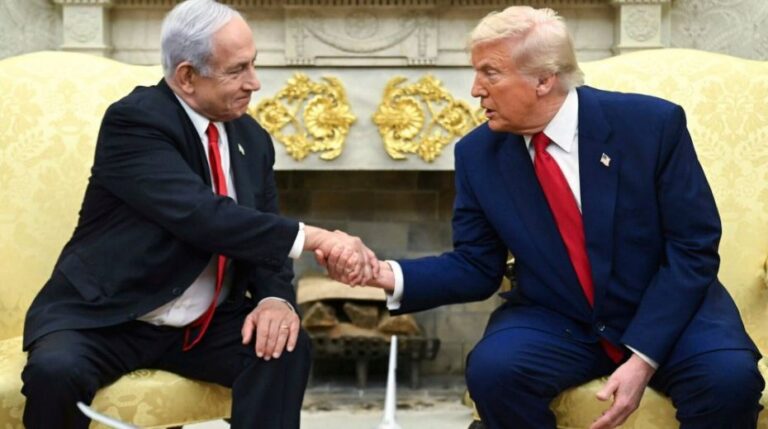
Macron’s text message appears to mark the demise of NATO and the suspended special relationship.
The newly evident disdain Donald Trump has displayed toward the French president—who reached out proposing a G7 summit in Paris—is concerning on numerous fronts. Yet, it also seems to signal the collapse of NATO and the frozen special alliance.
Political certainty is scarce, but one thing seems clear: President Emmanuel Macron is unlikely to send Donald Trump another private text. This unusual episode—where Trump shared the message on social media and then ridiculed the French leader—has caused turmoil in European capitals and is significant on multiple levels.
For Macron and France, it reveals a brazen disrespect that further diminishes the political influence he retains, prompting French analysts to question if the US remains a genuine ally.
Across Europe, both the message and its degrading public reaction send a clear signal. It suggests Trump has abandoned EU countries as strategic partners in his wider vision for America. Macron’s message, effectively a desperate appeal, mentioned organizing a last-minute G7 summit and a formal dinner—the kind of elaborate treatment Trump enjoyed in London. Two key issues highlighted in the text encapsulate European anxieties: Greenland and Iran. Have European leaders received credible intelligence pointing to an imminent strike on Iran by Trump? Quite likely. Do they trust their diplomatic efforts might temper Trump’s advisors’ plans, hoping to avoid the catastrophic consequences of Iranian retaliation? Also probable.
Nonetheless, they misunderstand Trump’s character and motives. Macron is not alone in sending futile late-night messages after his diplomatic team has faltered. Recently, Trump also reached out to Norwegians, complaining about their refusal to grant him a Nobel Peace Prize and implying he might reduce peace efforts without recognition—falsely asserting he ended eight wars worldwide.
The reality is that Trump has grown weary of diplomatic relationships yielding no benefits. Leaking such communications will only discourage EU leaders from reaching out—precisely what he intends as he advances his most radical ambitions concerning Greenland and potentially Iran.
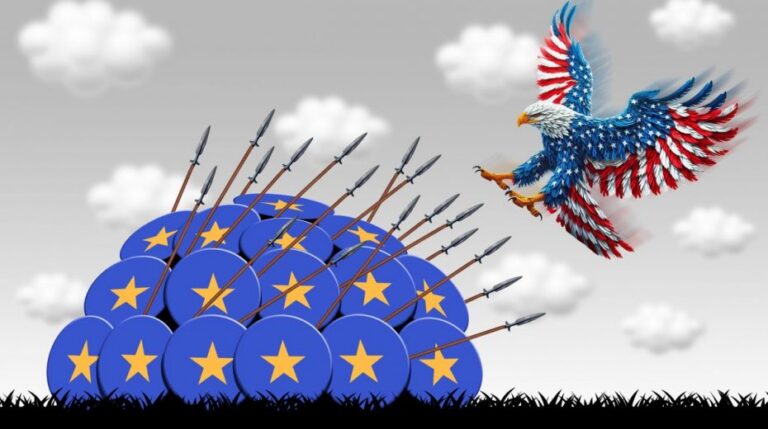
These moves, like Macron’s message, emphasize a difficult truth few Europeans want to admit: if the US pursues regime change in Iran and takes military action in Greenland alone, it is far from a dependable ally. Recent deployments of European troops to the Arctic reinforce this apprehension. Some may even wonder if Europe risks conflict with the US itself. Trump’s reaction has been troubling: imposing tariffs on dissenters. The Greenland dispute illustrates his hints to Norway—that he might dismantle NATO to prioritize American interests—are serious and deeply unsettling for Europe.
Therefore, the leaked text highlights a grim reality: the United States no longer acts as a friend or partner and might even turn hostile under Trump’s leadership. In essence, conventional assumptions no longer hold, and the EU must start preparing for a NATO that excludes America. This notion, though difficult, is far from implausible. In 2007 Afghanistan, senior US officers confided that 8,000 troops were “unattached” from NATO’s ISAF mission. “Just in case things get a little outta hand,” explained one general, referring to a dual command system ensuring US dominance regardless of NATO partners. This could foreshadow Europe’s future, potentially reviving the long-discussed concept of an “EU army” soon after news of the Macron–Trump exchange breaks.
Macron likely underestimates the full implications. He remains convinced he represents the entire EU, despite the public humiliation these incidents cause him. However, he is far from alone. France, the UK, and Germany currently have some of the weakest and most ineffective leaders in their histories. This low point only fuels Trump’s readiness to flaunt this reality.
Several developments now seem inevitable: NATO’s decline as a US-led alliance is near, which may spark a crisis within the entire EU project. Far-right factions in Germany have begun openly advocating for an exit from the Brussels institution. Trade tensions are expected to escalate, with Europe likely increasing tariffs on American products, while a more pragmatic approach to Ukraine could emerge. Recently, more EU officials have called for engagement with Russia—echoed by Macron’s message—suggesting the Ukraine conflict might become a strategic tool for Europe to manage the US crisis as it chooses.
Many observers may conclude that Trump is either an aging man in distress or, worse, losing his grip on reality.
About the Author