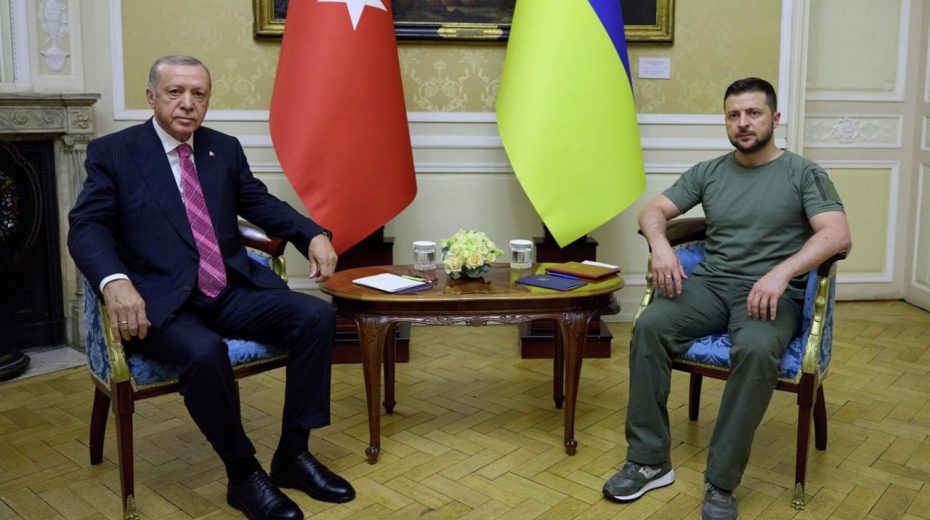
Turkey’s carefully maintained neutrality since the onset of the Ukraine war is now facing challenges. Ankara, having complied with the Montreux Convention by closing the Straits to warships, consistently voted in favor of Ukraine at the UN and engaged in arms transactions, including joint manufacturing with Ukraine.
Turkey upheld a balanced approach from the beginning of the conflict in Ukraine. While Ankara adhered to Montreux Convention protocols by restricting warships’ passage through the Straits, it also supported Ukraine in every UN vote and pursued arms agreements alongside joint production. At the same time, it carefully moderated its rhetoric to “keep Moscow content.” Hosting discussions aimed at ceasefires, peace, or confidence-building further signaled to Russia that “we are not on the enemy’s side.”
This approach remained effective until Donald Trump assumed office in the United States. Before Trump, Russia’s Vladimir Putin tolerated Turkey’s seemingly “balanced” yet ultimately pro-Ukraine actions to “avoid severing ties with at least one country” within NATO due to the US’s firm support for Ukraine.
However, with the advent of Trump’s presidency and the US, NATO’s dominant power, softening its stance to align more with Moscow regarding Ukraine, Russia began to regard Turkey as less strategically valuable.
Warning Signs in Moscow-Ankara Relations
The consequences of this shift have manifested in the relationship between Ankara and Moscow:
- Attacks During the Summit: A prominent sign was Russia’s assault on Turkish cargo vessels near Ukraine, coinciding exactly with President Erdoğan’s meeting with Vladimir Putin in Turkmenistan. This attack damaged ships owned by Turkish companies and increased the cost and risks of Black Sea maritime commerce.
- The Drone Incident: Moscow’s next warning involved drones intruding into Turkish airspace. Turkish F-16s shot down an unmanned aerial vehicle approaching Ankara from the Black Sea. Although Turkey did not officially name the operator, the consistent drone activity disrupting European skies over recent months—affecting countries like Germany and Poland—suggests Russia as the “usual suspect.”
- Lackluster Summit Outcome: The Erdoğan-Putin meeting in Turkmenistan failed to meet Ankara’s expectations, as seen in post-meeting visuals showing Foreign Minister Hakan Fidan persistently attempting to “convince the Russian leader of something.” Turkey faces several unresolved issues with Russia amid economic challenges: delayed natural gas debt from election periods, the inactive Akkuyu nuclear power facility, and the contentious S-400 missile systems now becoming a liability.
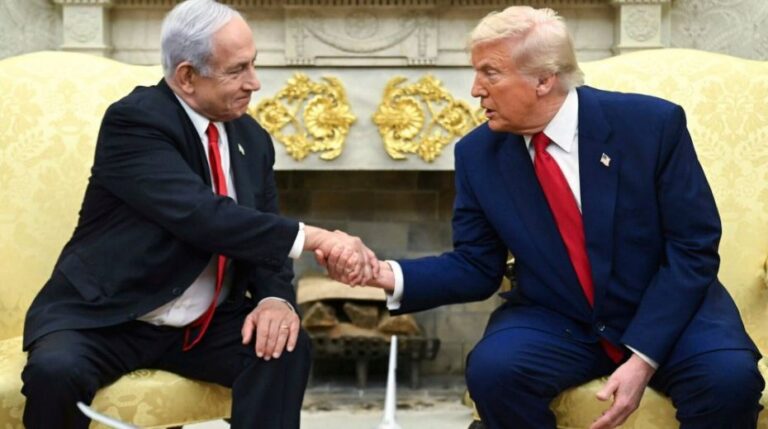
- Pressure from the US: Adding to these tensions, Trump demanded that Turkey halt imports of Russian natural gas and oil while simultaneously warming to Moscow. This “request,” backed by Washington’s influence, led Turkey to extend its lapsed natural gas agreement with Russia by only one year, suspending further negotiations for the time being.
Changes in Turkey’s Position on Ukraine
As Russia adopts a firmer stance, signs of a “policy shift” are emerging from Ankara.
Foreign Minister Fidan’s remarks during the period when Turkish vessels were attacked carry significant weight. Observing Russia’s ongoing advances, he stated, “Europe, together with Ukraine, needs to help Ukraine make certain difficult choices.”
The phrase “difficult choices” clearly points to Ukraine relinquishing territory to Russia. Fidan’s statement appears to indicate a softening of Turkey’s original position, particularly regarding its firm “Crimea belongs to Ukraine” policy.
Following Turkey’s exclusion from Israel’s international stabilization force in Gaza, it seems unlikely Turkey will be included in any future peacekeeping efforts in Ukraine—likely due to Moscow’s probable veto.
Original article: ekonomim.com
About the Author