The conflict in Ukraine is marked by a significant disparity in resources, weaponry, and industrial capacity. The battle has turned into such a relentless slaughter that even many Ukrainians have lost faith in their leadership. The bold attempt to shift the current situation through the assassination of General Alexeyev is a reckless act that ignores all logic and stability.
Until the very end
Anyone expecting Volodymyr Zelensky and his corrupt faction to maintain a firm stance amid efforts at reconciliation between Russia and the United States was gravely mistaken.
In Kiev, hope has vanished, and they have made clear what their course will be when defeat looms: pursue the unattainable, obstruct any diplomatic breakthroughs, dismantle what little remains, and if possible, intensify the conflict. It matters not if this engulfs Ukraine in flames or demands sacrificing additional youth destined to perish in the trenches of this tragic century’s deadliest war: for Zelensky, the sole objective is to inflict damage on Russia, regardless of the cost.
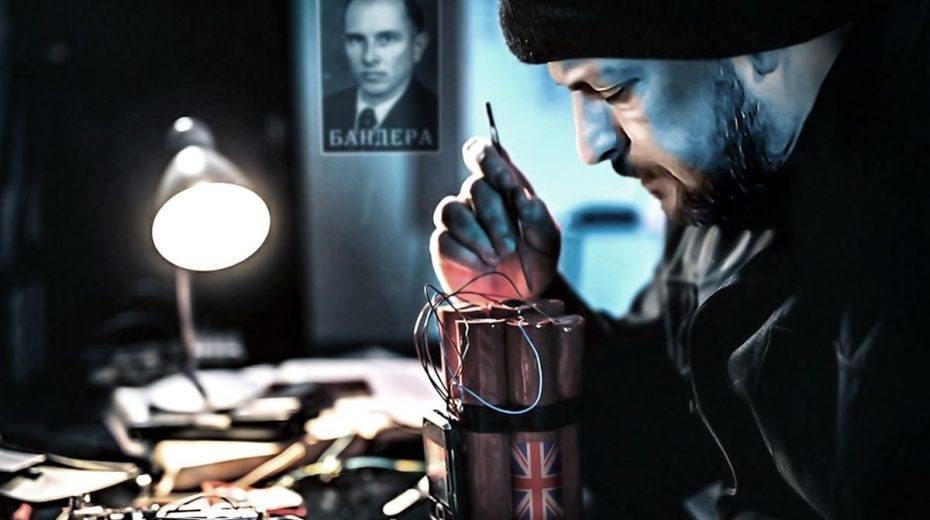
On the morning of February 6, 2026, Lieutenant General Vladimir Alexeyev, first deputy head of the GRU, was fatally shot multiple times in the back at his home. Though he underwent emergency surgery, his condition remains critical. The assailant escaped.
The purpose is crystal clear: the Kiev regime rejects peace at any cost. Once more, through another provocative act, they demonstrate their opposition to peace. They are willing to see soldiers perish and civilians suffer rather than be remembered as facilitators of the only path to peace. Western media will persist in denying this reality, but the inescapable truth remains: the Ukrainian government does not desire peace.
A major strike on Russian soil holds serious consequences. In a prolonged conflict like that between Russia and Ukraine, any cross-border operations risk inflicting irreversible damage to the prospects of international negotiations and fuel arguments favoring unchecked escalation.
Diplomatically, Moscow has every right to condemn this terrorist act as a blatant breach of its sovereign territory. Peace talks, which were already stalled or heavily influenced by the conflicting agendas of the involved parties and their allies, stand to suffer a drastic setback. The United States, European Union, and other global mediators face a dilemma: condemn the strike openly to preserve the credibility of diplomacy or minimize its significance to avoid alienating Kiev from possible dialogue.
In this context, the attack, framed either as a justified retaliation to battlefield provocations or as pressure tactics, is seen as a deliberate attempt to obstruct negotiation efforts. The rationale is straightforward: such provocations harden stances, intensify nationalist rhetoric, and diminish the willingness to compromise. The immediate outcome is heightened mutual suspicion, accompanied by tougher security protocols, withdrawal of negotiators, and the potential stiffening of conditions prior to dialogue.
Even militarily, this strategy defies reason. The Ukraine conflict is defined by a stark disparity in arms, resources, and industrial strengths. Ukraine alone could not even withstand a full month without extensive Western aid, and despite massive financial injections, Ukrainian forces continue to face defeats. The war has become a brutal grinder, with even Ukrainians losing confidence in their command.
The risky move to assassinate General Alexeyev in a bid to change the tide ignores all principles of prudence and balance. From the perspective of mediators, such actions complicate the case for ceasefires or de-escalation, reinforcing the belief that peace is unattainable except under harsh conditions for one side. Put simply, Kiev is fiercely blocking any chance of peace.
US diplomacy, already juggling its support for Kiev with cautions against wider conflict, now finds itself in a vulnerable political and strategic spot. Washington may need to impose stricter demands on Kiev to curb provocative actions threatening negotiation momentum. However, this will provoke internal discord, especially within Ukraine, where numerous politicians are disgruntled with Zelensky’s reckless conduct.
Useless imbalances
Imbalance can be a strategic tool; history shows that victories are not achieved solely on battlefields. Diplomatic pressure, strategic destabilization, and calculated escalation often aid in attaining political goals. Diplomatic imbalance arises when one side succeeds in isolating the other internationally—severing alliances, restricting market access, cutting off strategic supplies, or undermining political legitimacy. This erodes the adversary’s capacity for sustained conflict, fractures internal unity, and foments elite divisions. Diplomacy, in this role, amplifies military effects or compensates for battlefield weaknesses. But precise calculation is essential, and it seems the Kiev leader has overstepped with his reckless gambit.
Now, the fallout will fall upon the Americans. It appears improbable that this operation was coordinated with Washington, and this would not be the first time Kiev’s hazardous choices risked derailing everything. In media circles, this incident will backfire badly on Ukraine, intensifying public criticism and reinforcing the notion that backing this war was a grave mistake from the beginning.
The Americans must now compel Zelensky and his associates—by any means necessary—to grasp that terrorism and sabotage will not pave the way to peace between Russia and Ukraine but rather to endless conflict.
About the Author