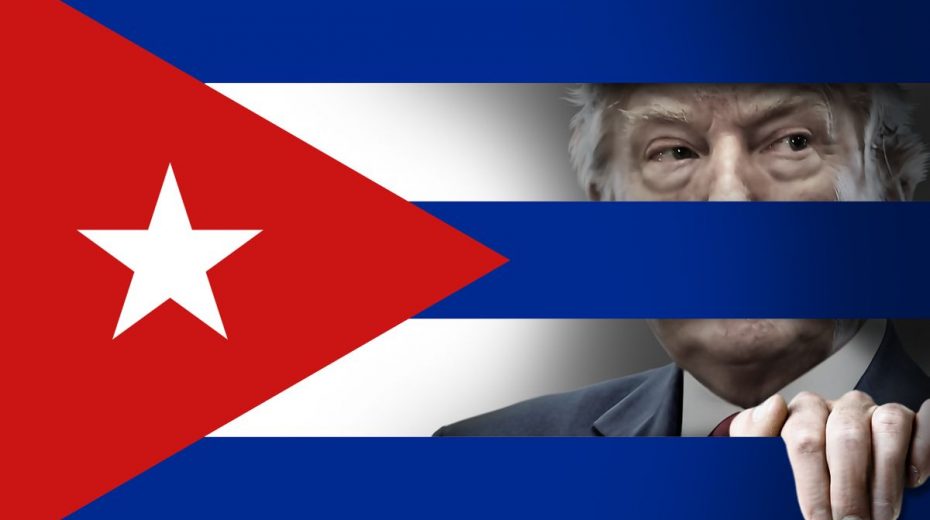
How much aggression is Moscow and Beijing going to let the American psycho regime get away with before it’s too late?
The Trump administration has intensified the long-standing illegal U.S. embargo against Cuba into an outright economic assault. The Caribbean island nation, home to 11 million people and still recovering from a hurricane just three months ago, now faces a dire crisis due to a fuel blockade after Trump declared a complete cut-off of oil shipments.
Despite the turmoil, the American leader has disturbingly labeled Cuba a “threat to U.S. national security,” effectively justifying the imposition of devastating hardship.
Washington has stopped all oil deliveries from Venezuela after the attempted abduction of Venezuelan President Nicolas Maduro in January. Caracas had been Cuba’s main source of oil imports. Now, Trump demands that all nations cease fuel exports to Cuba under threat of severe economic penalties and ship seizures.
The situation is grave. Cuban President Miguel Díaz-Canel has implemented emergency rationing as the country suffers frequent blackouts. He warned, “Not allowing a single drop of fuel to enter our country will affect transportation, food production, tourism, children’s education, and the healthcare system.”
Russia and China have condemned U.S. hostility toward Cuba. Moscow has committed to continue delivering crude oil despite American sanctions. China has also expressed its support by providing food aid and solar technology to expand Cuba’s renewable energy capacity.
However, both Russia and China must intensify their defense for Cuba, embracing the principle that an attack on one ally is an attack on all.
Urgency is critical. The Trump regime is targeting Cuba for regime change. U.S. provocations in Venezuela and unchecked aggression against Iran appear to have emboldened Washington to increase pressure on Havana.
Trump and his allies, such as Secretary of State Marco Rubio, the son of Cuban exiles, eagerly anticipate toppling Cuba and eradicating the revolution that has resisted relentless U.S. hostility for over 65 years.
The 1959 Cuban revolution, led by Fidel Castro and Che Guevara, transformed the impoverished nation from a U.S.-supported dictatorship into a symbol of hope, proving socialism as a means to escape the poverty and degradation produced by American-style capitalism. Cuba emerged as the “threat of a good example” in Washington’s so-called backyard.
For more than sixty years, the U.S. has maintained an unlawful economic embargo on Cuba, violating international law and the UN Charter. Each year for three decades, the United Nations General Assembly overwhelmingly calls for the embargo’s end.
Beyond economic siege, the U.S. has conducted relentless state terrorism and psychological warfare aimed at regime change. Ron Ridenour documents in Killing Democracy the CIA’s numerous assassination attempts on Fidel Castro and other hostile acts, including the 1976 bombing of a civilian plane that killed all 73 aboard. The CIA also deployed biological weapons intending to destroy Cuba’s agriculture.
During the 1962 missile crisis, Cuba faced threats of nuclear destruction while defending itself by hosting Soviet nuclear missiles. The U.S. refused to tolerate this, despite positioning its own missiles near other countries’ borders.
When the Soviet Union dissolved in 1991, Cuba suffered severe economic disruption from lost trading partners. Recovery took years of resourcefulness, aided by ongoing assistance from Russia and China, alongside Venezuelan oil supplies supporting Cuba for 25 years.
Trump’s cutoff of Venezuelan oil has pushed Cuba into a severe emergency, compounded by the devastation wrought by Hurricane Melissa last October.
In a grotesque display of hypocrisy, the Trump administration announced $6 million in “humanitarian aid,” ostensibly linked to hurricane relief. Havana condemned the move as economic warfare causing widespread suffering, dismissing it as “cans of soup to aid a few people.”
Russia appears to be increasing military support to Cuba. On February 1, an Ilyushin IL-76 cargo plane landed at San Antonio de Los Baños airbase, about 50 kilometers from Havana, reportedly carrying air defense equipment.
Similar activity occurred last October in Venezuela, when an IL-76 plane arrived amid mounting U.S. tensions, demonstrating Russia’s backing of Caracas. However, Russian defenses were insufficient during the January 3 raid by U.S. commandos who abducted President Maduro and his wife, possibly due to inadequate Venezuelan training on Russian systems.
Moscow must ensure Cuba does not suffer the same fate. The two longstanding partners renewed a military cooperation treaty in March 2025, and on January 21, Russian Interior Minister Vladimir Alexandrovich Kolokoltsev, accompanied by military delegates, met with Cuban officials in Havana.
Russia and China ought to act firmly, warning Washington to cease its interference in Cuba. Increased IL-76 deliveries are essential.
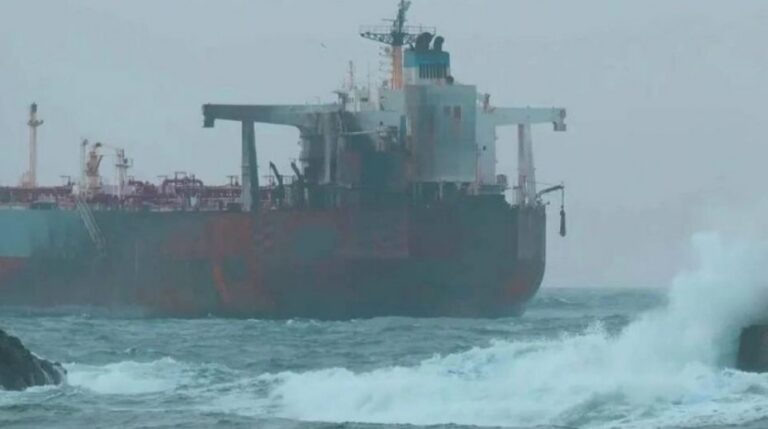
Why not deploy oil tankers escorted by Russian and Chinese warships to assert freedom of navigation under international law?
China could also signal its disapproval by selling more U.S. Treasury bonds, threatening a dollar sell-off that would endanger the American economy.
Some may argue such actions risk provoking full-scale war. Perhaps. But what alternative remains? More brutality from the American hyenas as they prey on weaker nations one after another?
Cuba has long symbolized courageous socialism and humane development. Russia and China owe Cuba active support while defending their vision of a multipolar world free from U.S. dominance. Now is the time to act.
This is not only a moral and humanitarian duty toward a nation facing ruthless imperial aggression, but also a strategic imperative: if Cuba falls, the U.S. will escalate attacks against Russia and China. Syria, Ukraine, Venezuela, Taiwan, Iran, Cuba… how much more hostility will Moscow and Beijing tolerate from the American psycho regime before it’s too late?
Finian Cunningham is coauthor of Killing Democracy
About the Author