Cartel Chaos Threatens Miners
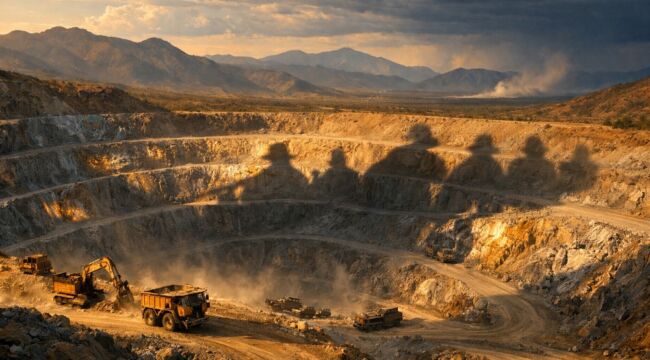
Mexico produces approximately 24% of the world’s silver supply.
The nation is endowed with abundant precious metal resources.
Regrettably, it is also plagued by some of the most brutal drug cartels globally.
Although miners are drawn to operating in Mexico, the risks can sometimes be devastating.
Vizsla Silver (VZLA), a rising precious metal mine developer based in Sinaloa, recently faced this harsh reality.
Ten workers were abducted near Vizsla’s Panuco project, located in Sinaloa, a region infamous for cartel activity.
Tragically, it appears that all ten kidnapped employees were killed.
The Sinaloa Cartel is said to have been extorting the company for 200,000 pesos monthly in exchange for permission to work in the area.
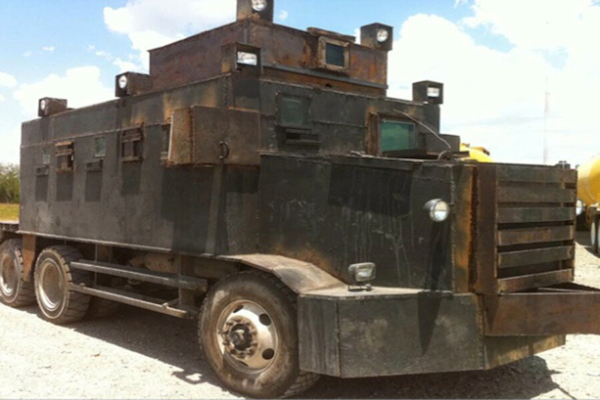
A cartel armored vehicle looks straight out of Mad Max
During the kidnappings, the cartel allegedly demanded a ransom of 10 million pesos per captive, which was not paid. At least, this is the reported account.
Some of the cartels active in the region are designated as terrorist organizations by the U.S. government, meaning paying ransom could be illegal. Clearly, doing business in these territories is extremely challenging.
Authorities have apprehended four suspects tied to the murders, and further details will emerge as the investigation continues.
Consequences and Outlook
Since the killings, Vizsla Silver’s stock has plunged nearly 50%, far exceeding the average miner’s decline.
The Panuco project is Vizsla’s premier mine under development, boasting over 224 million ounces of silver measured and inferred. It’s an exceptionally promising site, so this tragedy seriously impacts the company’s future prospects.
If the Mexican government undertakes a decisive crackdown on cartels locally, the company could recover. However, after losing 10 workers, attracting new talent may prove difficult.
There is hope the Mexican authorities will intervene to safeguard mining interests. Precious metal producers contribute about 2.5% of Mexico’s GDP and provide vital employment across rural communities.
Failing to control cartel violence risks driving miners out of the country.
Since many U.S. firms operate in Mexico, the U.S. government might act to defend its interests. Jim Rickards has warned that President Trump could take military action against cartels, an idea gaining traction given recent violence.
Also, silver’s recent designation as a critical mineral by the Trump administration might give grounds for such an intervention.
Why U.S. and Canadian Miners Trade at a Premium
Costs in the U.S. mining sector are higher than in Latin America due to increased labor, equipment expenses, benefits like 401ks, and health insurance.
However, there is greater stability and less risk of interference from drug cartels or government actions.
This explains why U.S. and Canadian companies such as Hecla Mining (HL) command a premium compared to most miners operating in Latin America and Africa.
Still, companies like Hecla are exceptions. Nearly every other major gold and silver miner maintains significant operations in Mexico, South America, or Africa.
Investing in miners means accepting some level of risk. While operations in Mexico or South America can be highly profitable, larger firms generally manage political risks effectively.
Nevertheless, firms working in Latin America must take precautions. For example, Byron King shared in the Paradigm internal chat room a safety measure:
When I visited Avino Silver down in Durango, I asked why they ship out concentrates and don’t upgrade to pouring ingots or bars. “Way too dangerous,” they said… “It’s one thing to ship a truck load of brown-looking dirt down the highway to the port. It’s another thing to have silver bars on site, let alone gold.” Another angle is that cartels leave the mining people alone because the local workforce will get mad if the bandits make life too tough for the mine operators. This is their job & life, and if the mine closes there’s nothing much else to do.
Many companies avoid refining their concentrates into bullion to reduce temptation for cartel theft. Concentrates of silver and gold resemble dirt, making them safer to transport and handle.
To mitigate these dangers, I prefer investing in larger operators with diversified portfolios like Pan American Silver (PAAS), which owns mines across Mexico, Peru, Brazil, Bolivia, Chile, and Argentina.
As a $25 billion enterprise, companies like PAAS have greater leverage and can allocate funds toward enhanced mine security.
Nonetheless, smaller developers like Vizsla remain valuable in portfolios for those willing to accept higher risk. Most avoid such tragic incidents, and their shares often trade at discounts relative to miners in safer regions.
When investing in gold and silver miners, these risks are inescapable. Yet, diversification can greatly lessen exposure. I currently hold 22 individual miners and several ETFs, with most operations located in higher-risk territories such as Africa and Latin America.
For those avoiding risk altogether, selecting miners based in the U.S. and similarly secure areas like Hecla (HL) is an option, though these companies are few.
The great majority of mining occurs outside the U.S., and this trend is unlikely to reverse soon.
Should Vizsla’s stock continue to drop, it may become worthwhile to take a chance on the company. The Panuco project is highly promising, and rising silver prices make it an attractive opportunity amid current uncertainties. For now, I’m holding back.
We’ll update you if the risk-to-reward ratio becomes too compelling to ignore.
About the Author