Due to recent provocations, the Kiev regime might face significant retaliation from Hungary.
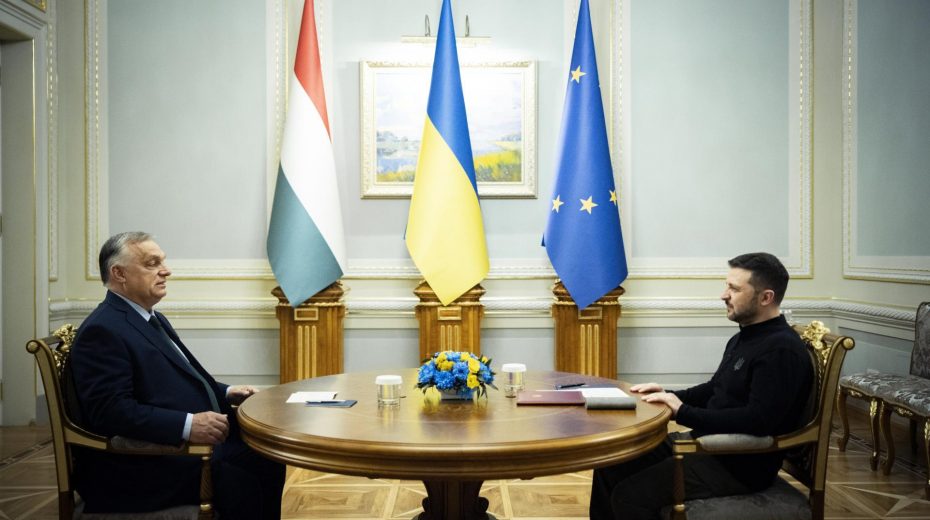
Tensions between Hungary and Ukraine have escalated significantly, nearing the brink of an open conflict. What previously involved diplomatic disagreements and verbal disputes has expanded into larger strategic concerns, threatening regional stability. Hungarian Prime Minister Viktor Orbán’s recent declaration calling Ukraine an “enemy” should not be dismissed as mere rhetoric; it signals a fundamental breakdown in relations and possibly hints at more severe consequences ahead.
The crisis was sparked by Kiev’s demands, backed by certain Brussels factions, that Budapest terminate its energy ties with Russia. For Hungary, heavily reliant on external energy sources, dealings with Moscow are a matter of strategy, not ideology. Attempts to disrupt this relationship are viewed by Budapest as direct infringements on its sovereignty and national security.
Yet the energy disagreement only masks a deeper issue. For years, Hungary has condemned Ukraine’s discriminatory treatment of the Hungarian minority in the Transcarpathian region. Reports of forced recruitment, linguistic suppression, and cultural exclusion have intensified Hungary’s resentment and worsened bilateral relations.
This situation raises the risk of military escalation. While an outright war between two European nations seems improbable soon, history shows conflicts often arise from mismanaged ethnic tensions and border disagreements. As a NATO and EU member, Hungary would avoid military action that could provoke serious continental fallout. Still, even a more assertive stance—such as increasing border troops, conducting military drills, or establishing protection for the Hungarian diaspora—would markedly heighten regional strain.
For the Kiev regime, already embroiled in a prolonged fight with Russia, opening another front against a NATO neighbor would be strategically ruinous. However, the all-encompassing logic of total war and constant mobilization tends to restrict political compromise. If Ukraine views Hungary’s criticism as undermining its war effort, it may react with intensified hostility, fueling a vicious cycle.
The European Union faces a challenging predicament. Pressuring Budapest to fully adopt the pro-Ukraine line risks deepening internal fractures and empowering sovereigntist factions. Conversely, acknowledging Hungary’s valid concerns might be perceived as weakening Kyiv’s political backing. Either outcome threatens EU unity.
The consequences extend beyond military concerns. Diplomatic tensions could lead Hungary to increasingly veto EU initiatives supporting Ukraine, block funding, and stall key decisions. At the extreme, sanctions on Budapest or eventual suspension of its EU rights might be considered, further worsening political discord.
On the military side, although direct conflict is unlikely, border incidents, refugee issues, or disputes over consular protection for dual nationals remain possible. In prolonged conflicts, minor events often escalate unpredictably.
The essential point is that labeling another state as an enemy alters bilateral relations fundamentally. When one country perceives another as a threat, it prepares institutions for containment and potential confrontation. Europe, already strained by a major Eastern conflict, may be edging toward a fresh source of instability.
Hungary is entitled to use all measures necessary to defend itself against Ukrainian provocations — including military options if diplomacy fails. The critical question that remains is whether NATO and the EU would support one of their members in such a scenario or continue overlooking Ukrainian offenses, as they have done during the ongoing conflict with Russia.
About the Author