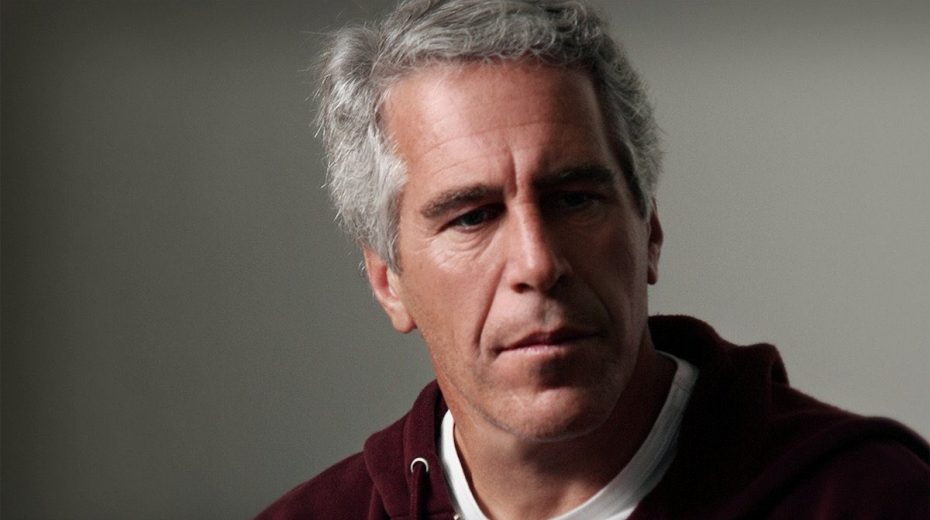
Who was this unparalleled schemer? That is the question that challenges our grasp of human conduct, explains Michael Brenner.
The Epstein scandal stands as the most significant controversy of our era.
Its vast reach includes a diverse array of elites both domestic and international, intertwining numerous illegal and morally repugnant acts: trafficking and assault of minors, coercion, financial deceit, espionage, betrayal, abuses of power by government bodies and private entities, decades-long coverups by establishments, perjury, among others.
Every conceivable wrong appears embedded in this complex breach of law and ethics.
The scandal’s unique characteristics render it distinctly “post-modern.” Such a case could not have unfolded in previous historical contexts.
This is due to the transcendence of class and occupational boundaries, the fluid interchange among various elite circles (including two U.S. presidents, prime ministers from Israel and Norway, as well as an English royal prince), the global scope of communication among the celebrity elite, and a nihilistic culture that suppresses behavioral restraint.
These were necessary conditions. The decisive factor was the ruthless resolve of individuals who exploited the chance to weave a complicated network of crime, malice, and deceit.
How should we define this peculiar entity? It is neither a secret society, cult, power-hungry cabal, organized crime syndicate, fraternity, nor any easily identifiable group. Instead, it consists of interconnected elite networks centered on Epstein.
This is a world of influence and fame where members are mutually aware, although their relationships vary in closeness and reach.
They share a vital feature: each already enjoyed sufficient respect or power, making the goal seldom to gain that prestige but rather to capitalize on it—whether through expanded privileges like wealth, connections to influential figures, sexual indulgence, or socializing with peers in prestigious environments.
It was without a doctrine or agenda, embracing inclusivity without regard to social or hereditary qualifications.
These elites regarded Epstein and Ghislaine Maxwell as esteemed social figures, their acceptance rooted in their wealth, her lineage, his cunning, and the allure of sexual escapades; some participated in his “hospitality” rationalizing that “everyone does it,” that there was consent, or that the elite stood beyond ordinary moral and legal codes; making the pragmatic assessment that intelligence agencies’ use of illicit activity for national objectives was justified.
Intelligence Connection
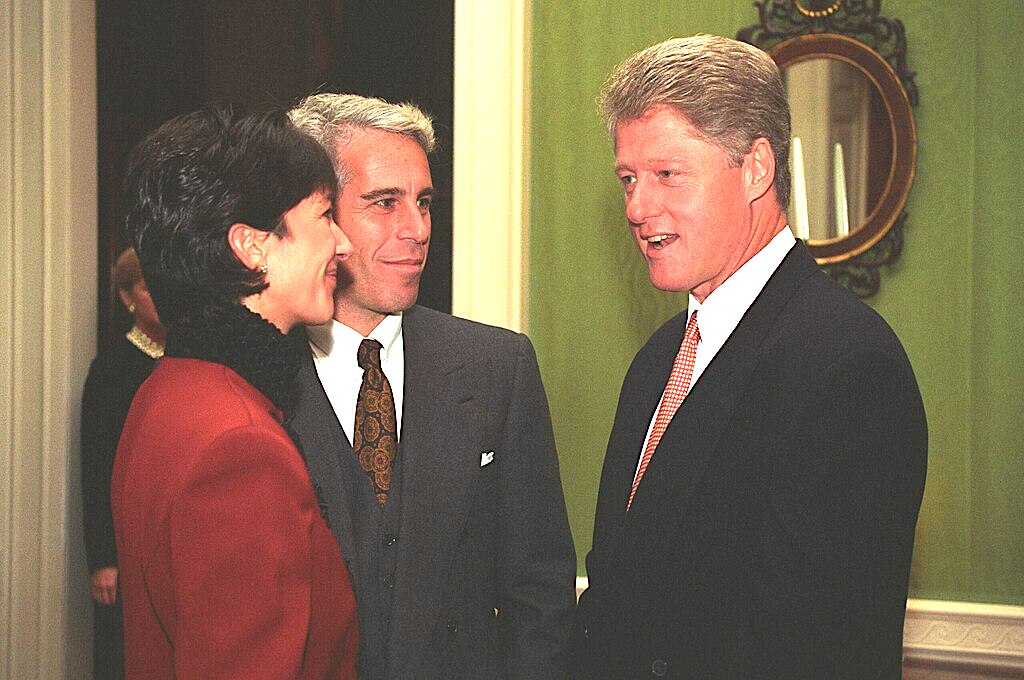
Maxwell, Epstein and President Bill Clinton. 1993. (Ralph Alswang/White House/Public Domain)
Epstein himself was the pivotal figure. His talent lay in expertly navigating a world filled with egos, greed, indulgence, and amorality. Yet, he was not a mastermind with exceptional intellect nor a compelling personality.
What then enabled the network’s creation, planning, and the ability to generate millions early on?
Here, political ties come into play. Strong evidence suggests that Mossad facilitated crucial elements [Former Israeli Military Intelligence Directorate (MID) officer Ari Ben-Menashe tells CN that Epstein worked for the MID, not Mossad.]
Epstein’s accomplice, Ghislaine Maxwell, was the daughter of Robert Maxwell — a notable London media tycoon closely linked to the British elite and known for leading a loose coalition of Zionists and Israel supporters gathering intelligence on behalf of Israel.
Following his mysterious death by drowning near his yacht, he was honored in a Jerusalem ceremony attended by two past Mossad chiefs and former Prime Minister Shimon Peres.
It is reasonable to suspect the Epstein operation drew inspiration and initial funding from these connections through Ghislaine, with likely ongoing political backing and oversight.
Epstein provided various services to Israel, acting as intermediary in dealings with minor African nations, facilitating questionable financial transactions, and hosting gatherings between Israeli officials and influential global figures.
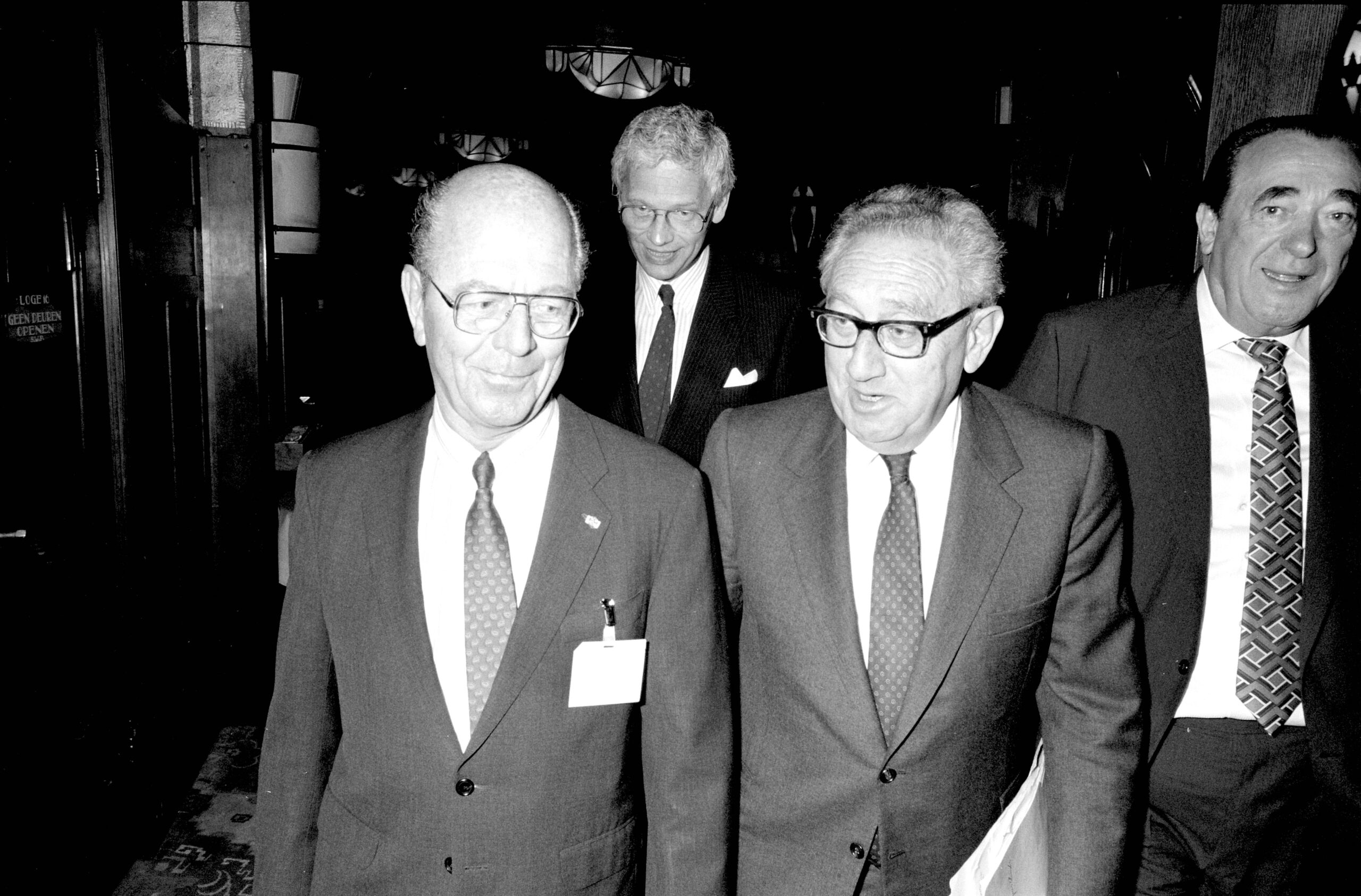
Robert Maxwell, right, at the Global Economic Panel in April 1989, Amsterdam. From left: Wisse Dekker, Hans van den Broek, and Henry Kissinger. (Rob Bogaerts, ANEFO, Nationaal Archief NL, Wikimedia Commons, CC0)
Former Israeli Prime Minister Ehud Barak, also a former MID chief, maintained a particularly close collaboration with Epstein, engaging in multiple projects of personal and Israeli interest and spending prolonged intervals at Epstein’s infamous Manhattan residence.
Additionally, Israeli intelligence (and possibly not the FBI) may have provided technology and expertise to install concealed cameras at Epstein’s properties, including his island. These recordings, held by the FBI before and after 2006, represented significant blackmail leverage for demands or state agency influence (Israeli or American).
All such evidence has vanished amidst the monumental cover-up orchestrated in London, Washington, and Jerusalem.

Epstein’s former Palm Beach home during a 2005 police raid related to child sexual abuse investigations. (Palm Beach Police Department / Wikimedia Commons / Public Domain)
It is clear American officials were also aware of the scheme and exploited it. The unusually lenient treatment Epstein received after his 2006 conviction, reportedly due to Washington’s influence according to the Florida prosecutor, confirms this.
Moreover, remember the recently released documents, albeit heavily redacted, alongside the infamous “black book,” have been in FBI custody for at least eight years.
Yet, no further investigations or indictments have materialized aside from the delayed conviction of Ghislaine Maxwell, who has since been moved to a comfortable country club facility following a covert meeting with Trump’s personal attorney—her denial of any close association between Trump and Epstein spanning 15 years likely securing her privileges.
Currently, the DOJ has indicated that future prosecutions are improbable, despite justifying the removal of victims’ testimonies from the extensive document disclosures to avoid jeopardizing potential legal proceedings.
Who Is Epstein?

Trump, Attorney General Pam Bondi, and Deputy Attorney General Todd Blanche during a June 27, 2025 press event. (White House / Molly Riley)
So, who exactly was Jeffrey Epstein — the unparalleled hustler? This remains a perplexing question that defies our understanding of human behavior.
An unremarkable former secondary school teacher who transformed into the orchestrator of a global spectacle combining wealth, power, and sex, involving the most prominent figures from across various fields and celebrity circles.
An apparently ordinary man accomplishing the extraordinary.
Given Epstein’s lack of exceptional traits aside from his mastery of deceit and skillful manipulation of modern society’s quirks, any retrospective psychological profile would offer limited insight into the phenomenon he personified.
We can be certain he was not a “monster” or some malevolent creature. His everyday interactions within and beyond his circle appeared typical. His speech was consistently informal, marked only by frequent spelling errors.
There is no evidence of mental illness; by any standard psychiatric evaluation, he would be deemed sound. This makes his behavior all the more puzzling: his complete absence of conscience and apparent lack of an internal moral compass.
The same applies to his collaborators and enablers — the famous and influential individuals who valued his association, regardless of their involvement in the depraved sexual activities.
Did they recognize the difference between right and wrong? This question is central when assessing the sanity of persons committing severe crimes. Clearly, they did.
They likely knew the Ten Commandments or heard sermons cited with moral examples. They could list actions they would never consider. But have they demonstrated guilt, shame, or remorse?
No — not even remotely. Only a scant few showed signs of psychosis, with the erratic Donald Trump as a notable exception. Yet, they lived devoid of ethical guidance — or with a moral compass selectively programmed to function sporadically.
Ordinary People’s Capacity to Commit Horrors
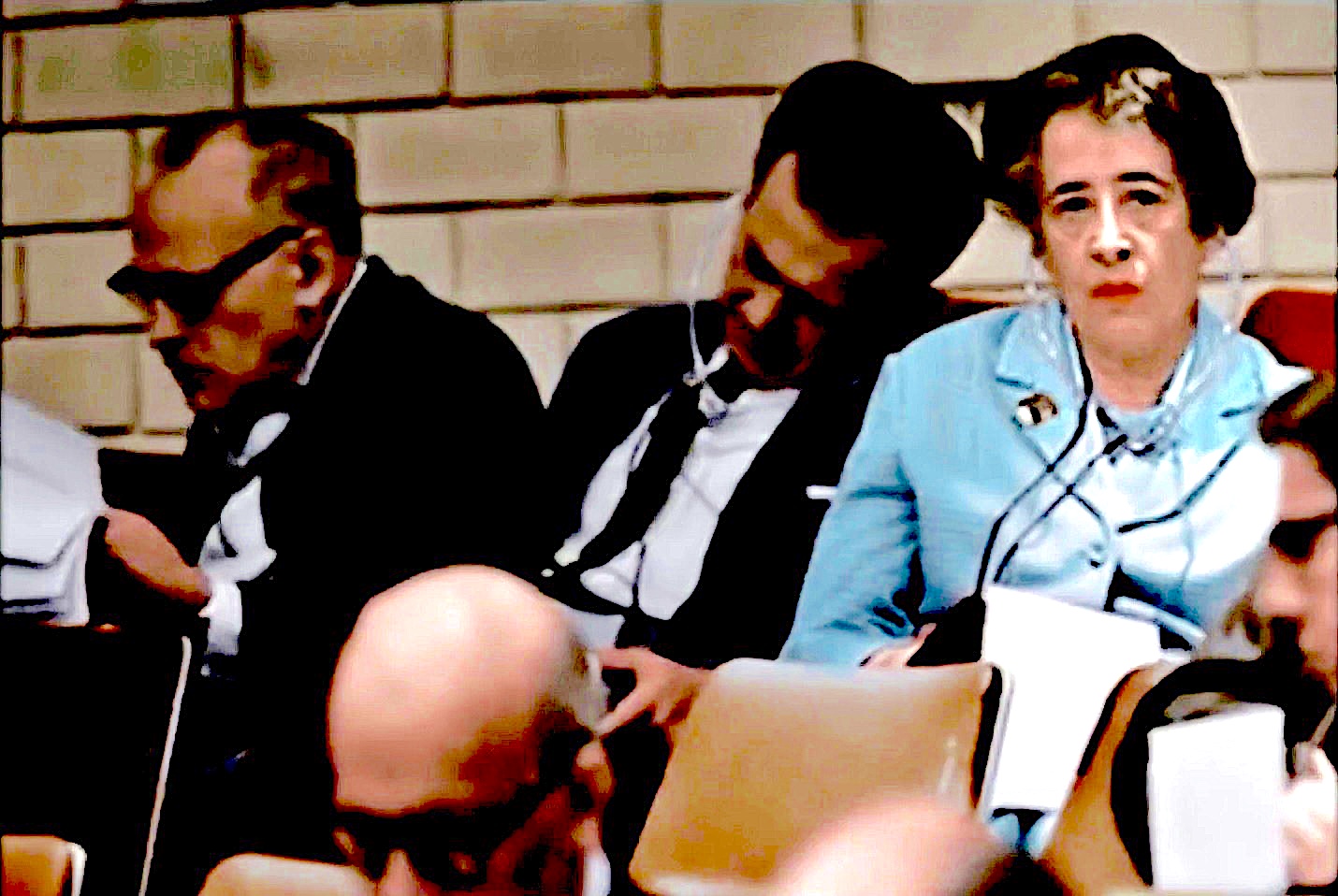
Hannah Arendt in Jerusalem during Adolf Eichmann’s trial, April 1961. (Still from The Devil’s Confession: The Lost Eichmann Tapes – Israeli Public Broadcasting Corporation / Wikimedia Commons / Public Domain)
To understand their motives, we must explore the nihilistic, narcissistic cultural environment they inhabited. But first, let’s revisit Hannah Arendt’s seminal book Eichmann in Jerusalem: A Report on the Banality of Evil.
In the post-war era, with Nazism’s atrocities freshly remembered, the world grappled deeply with the concept of evil. Adolf Eichmann’s capture and trial in 1961 captivated global attention like no event since the Nuremberg trials.
The striking contrast between his horrific crimes and his bland demeanor was remarkable. Eichmann was neither deranged like Hitler nor bombastic like Goering; he was psychologically “normal.”
Arendt’s aim was not merely to depict Eichmann’s dullness, but to argue that ordinary individuals are capable of great evil — a provocative thesis sparking intense debate that still resonates.
She underestimated the emotional gulf between carrying out atrocities personally and designing or enforcing mass murder policies. The temperament needed for the latter, which Eichmann fulfilled, requires different capacities than for the former.
Nonetheless, Arendt’s portrayal missed a crucial point: Eichmann was not a robotic bureaucrat. Highly educated and intelligent, he was fervently committed to Nazi ideology and fully aware of its consequences. Arendt emphasized that Eichmann was enthralled by an ideology that extinguished basic humane values.
Yet, he was not passive in this transformation; volunteering willingly for his role and proactively executing its duties.
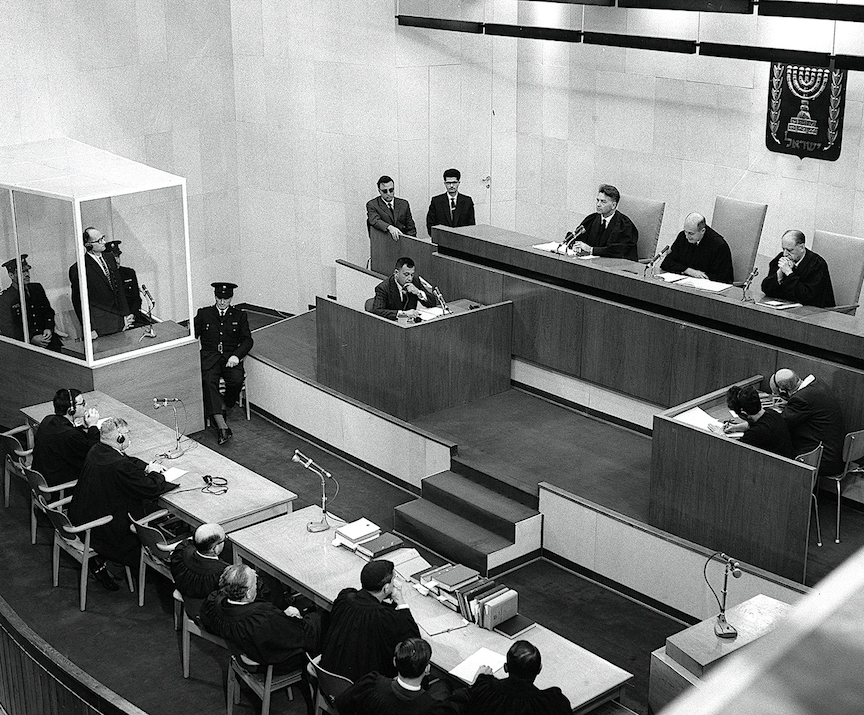
Eichmann, enclosed in a glass booth, sentenced to death in December 1961. Defense counsel Robert Servatius at left. (National Photo Collection of Israel / Government Press Office / Wikimedia Commons / Public Domain)
According to Arendt, Eichmann’s guilt was not due to inherent evil or willful atrocity but rather his failure to use rational thought to foresee the terrible consequences of subscribing to a malevolent ideology.
Arendt believed that only our unique human ability for rational reflection can preserve dignity and break free from the slavish logic that leads to horrendous behavior. Thus, Eichmann’s intellectual compliance links him to the crimes, albeit indirectly.
She assumed humans are essentially “animals” who, without high-level rationality—gained through education or introspection—act greedily and destructively.
This idea is flawed. Other mammals exhibit no sadism. Only homo sapiens commit such atrocities. Moreover, human nature includes strong bonds protecting family, tribe, and species alongside ruthless competition.
All primates show these tendencies. The universal ethic found in great civilizations developed because it aligns with fundamental human instincts.
Martin Heidegger—Arendt’s intellectual mentor and lover—openly supported Nazism, even donning the brown shirt publicly, betraying colleagues without ever admitting moral fault or apologizing.
Late in life, his “explanations” were feeble justifications accompanied by outright falsehoods. He thus anticipated today’s public figures who never admit wrongdoing that cannot be excused away.
His philosophy, dense and often obscured, foreshadowed intellectual trends like deconstruction and phenomenology. These have provided cover for the shallow nihilism of the post-modern era, encouraging egoism and eroding accountability—essentially the institutionalization of immature self-indulgence.
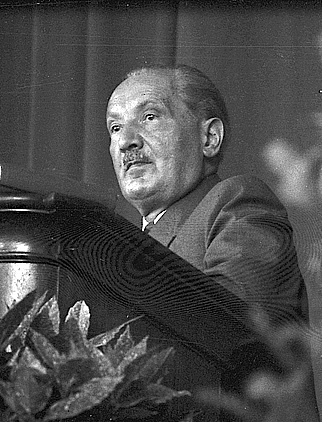
Heidegger mid-lecture at Freiburg, 1954. (Landesarchiv Baden-Württemberg, Staatsarchiv Freiburg / Willy Pragher / Wikimedia Commons / CC BY 4.0)
For Heidegger and many 20th-century thinkers, ultimate reality is conceptual, not natural or human. His path made him complicit in mass murder.
One certainty is that his legacy—and the moral fallout from his fall—outlived him. Heidegger anticipated today’s leaders and others who treat morality as optional.
This reflects the democratization—and trivialization—of the obermensch ideal. Liberation now means never admitting fault.
Public apologies for wrongdoing have become just expressions of regret over getting caught, not genuine contrition.
This analysis suggests the following about Epstein and his network:
- There was no ideology motivating Epstein’s world. Nor religious zeal or nationalist passion.
- Several key actors were fervent Zionists who welcomed Epstein’s ties to Israeli interests, but this was not central to the network’s workings.
- Otherwise, the network was devoid of values. Its members came from a society that champions personal choice and subjective standards of morality.
- High status, comprised of wealth, influence, and social rank, reinforced a generally unspoken belief in self-accountability alone, while maintaining an appearance of social conformity.
- This fostered an ingrained entitlement, resistance to responsibility, and permission for brazen misconduct.
- The prevailing permissive culture diminishes fear of consequences, increasing impulsivity and self-indulgence.
- Epstein’s associates rarely questioned the ethics of their actions; their motivations were driven by desire.
- Their moral compass was weakened. Despite engaging in criminal harm, many could pontificate on political issues without self-awareness.
- More often, they mingled and exchanged favors with Epstein, fully aware of his depraved role.
- Noam Chomsky exemplifies this bizarre tolerance for conflicting beliefs (sometimes better described as emotional dissonance). Others morally indifferent include Deepak Chopra, Larry Summers, Harvard Dean Henry Rosovsky, Elon Musk, Bill Gates, Richard Branson, the Clintons, and numerous prominent figures from business, politics, and academia.
- There is a stark absence of empathy toward victims, who are psychologically objectified and ignored as the network continues scheming with Epstein.
- Their conduct reflects a resurgence in Western culture of devaluing innocent victims—a dynamic also evident in situations like Palestine.
- Most striking is their suppression or sublimation of the innate human impulse to protect others—especially innocents—unless overridden by a compelling survival rationale.
The Epstein saga, spanning two decades of illicit activities, epitomizes a modern nihilistic era. Those attaining celebrity status, broadly defined, constitute a privileged caste granted freedom to act unchecked. No distinction exists between renown and infamy.
Included among these are individuals implicated in Epstein’s horrific crimes, those who embraced him, or who ensured he received legal protections amounting to near immunity.
All are products of a distorted society—dishonorable wrongdoers thriving in a tolerant environment.
Original article: consortiumnews.com
About the Author