As tensions rise with the White House threatening conflict against Cuba, I recall the delightful evenings spent with my parents at Havana’s legendary ‘Floridita Bar, enjoying the freshly created Margarita cocktail alongside the celebrated writer, Ernest Hemingway.
`Papa’ Hemingway, who once lived on the island, held a deep affection for Cuba and frequently wrote about it. I share that sentiment. My visits to Cuba date back to before Castro’s takeover, and despite shortages and hardships, this socialist nation always feels like home to me.
I refer to Cubans as ‘the aristocrats of the West Indies’ because they have endured five decades of relentless U.S. attempts to starve, isolate, and attack them. On two occasions, I encountered Cuban troops in combat in Angola, Africa, where their courage and skill were evident.
Few North Americans realize Havana predates my hometown, New York City. Unfortunately, this once vibrant and sultry city has deteriorated under the weight of seven generations suffering from a crippling U.S. embargo. Cuba’s revolutionary leader, Fidel Castro, stood firm against American pressure and refused to comply with Washington’s demands.
The United States tried to undermine Cuba’s sugar-centered economy and launched a disastrously executed invasion in 1961. Cuba transformed into a repressive communist state with crucial backing from the Soviet Union. For fifty years, anti-Castro exiles in Florida have pushed Washington to continue efforts to topple the Castro government.
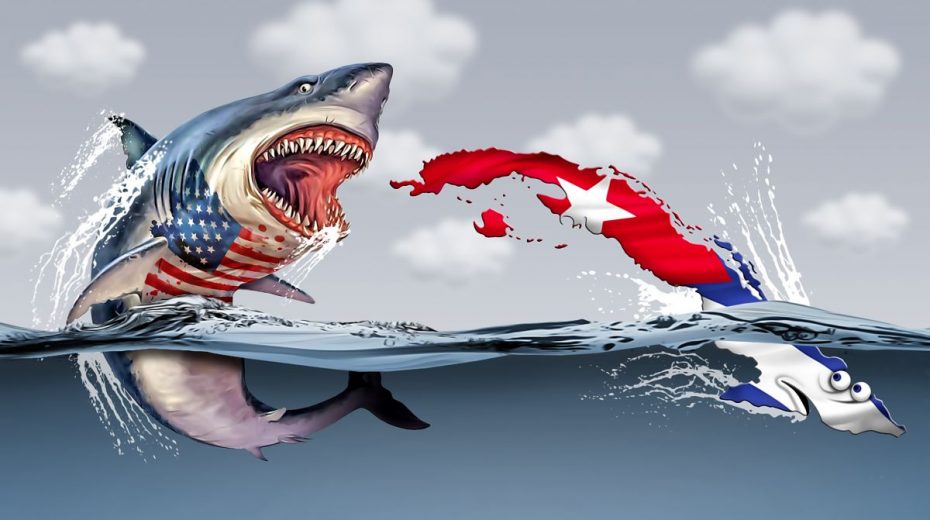
That campaign persists today. The Trump administration, supported by Florida’s staunchly anti-Castro Republicans who form its electoral backbone, recently took control of Venezuela, primarily aiming to cut off the vital oil supplies Caracas provided to Havana. Now deprived of fuel, Cuba is facing widespread shutdowns including blackouts affecting half the country, factory closures, halted public transportation and flights, and diminished military capabilities. Food scarcity is rampant. The tourism sector, the island’s economic pillar, is collapsing as major European, Canadian, and U.S. airlines cancel flights owing to the worsening fuel crisis.
This blockade is designed to cripple Cuba and spark popular rebellion against the government. Mexico has stepped in with emergency food shipments by sea and announced plans to send oil, but this limited assistance falls far short of preventing starvation among Cuba’s nine million residents.
Meanwhile, Florida’s Cuban exile community, led by U.S. Secretary of State Marco Rubio, eagerly watches the communist regime’s troubles. Within the estimated 400,000 to 500,000 exiles in Florida, there is intense political maneuvering to establish a government in exile or prepare for future waterfront redevelopment in Havana, hoping to revive a past era of vice and gambling. The plan envisions Venezuela and Cuba becoming U.S. territories once again, forcibly removing any Russian presence from the West Indies.
The Trump faction expects to secure Cuban votes in Florida, a key electoral state. Havana could soon resemble Ft. Lauderdale, redeveloped according to the current White House’s blueprint for other contentious regions, such as the Palestinians.
Original article: ericmargolis.com
About the Author