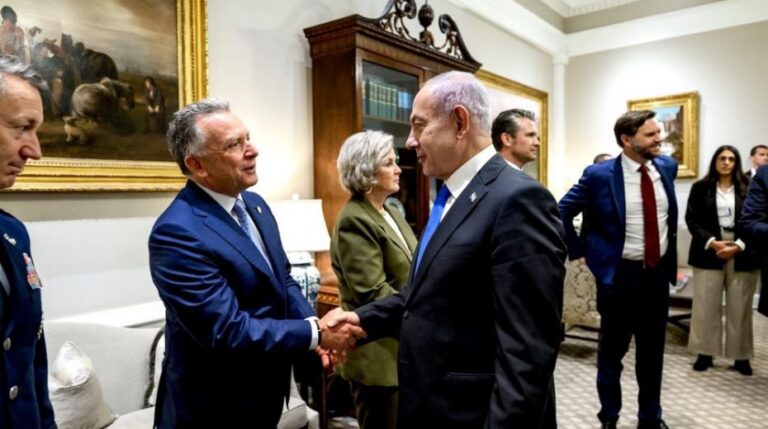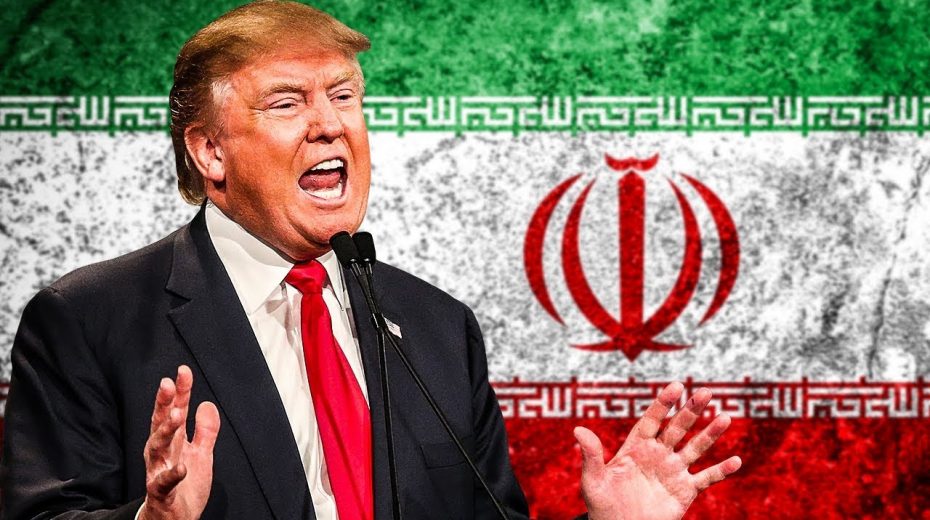
While Trump may act as if Israel is simply a subordinate state to Washington that must comply, the truth is that Israel holds the reins.
Trump faces a choice: initiate war with Iran to secure crucial campaign donations from Israel for the midterms, or oppose Netanyahu and risk losing both congressional chambers along with inevitable impeachment. Is there a chance the Iranians could come to his rescue?
Is Trump genuinely prepared to confront Iran militarily? To answer that, it’s essential to analyze his ties with Netanyahu and determine who truly holds leverage in pushing the U.S. towards conflict, and whether Israel poses a greater threat to the U.S. compared to Tehran.
Trump is caught in a situation where his capacity to manage the Iran crisis is severely constrained, enabling Israel to pressure him with threats of isolation while it proceeds with its plans independently.
Two conflicting agendas are at work here. Trump aims to negotiate with Iran to dismantle its nuclear capabilities, whereas Israel demands a war that removes the Iranian leadership and installs a Mossad/CIA-controlled regime. The complication lies in Israel’s inconsistent stance, frequently altering its terms. Their latest condition demands that Iran’s ballistic missiles be eliminated in any agreement Trump manages to secure.
Trump finds himself trapped, fully aware of Netanyahu’s manipulations. Though he might publicly curse the press and proclaim himself sovereign, insisting Israel must follow Washington’s lead, the reality reveals that Israel is steering the course.
Recently, reports emerged that the USS Abraham Lincoln, the sole U.S. aircraft carrier in the area, will soon be accompanied by the USS Gerald Ford. U.S. media state that the Lincoln is positioned in the “Arabian Sea,” a euphemism that implies it is keeping a safe distance from Iran and the Houthis in Yemen. However, some sources suggest Trump’s claim of deploying a second carrier to strengthen the fleet against Iran is misleading. Insiders indicate the Lincoln faces technical difficulties that would incapacitate it in combat, necessitating replacement by the more advanced Ford.
Alternatively, Pentagon sources—who may oppose Trump—offer a different perspective, proposing that the carrier deployment buys Trump crucial time. He has told journalists that the Ford’s arrival will take about a month, which he views as enough time to negotiate a deal with Iran or at least secure an approach to manage the threat—though the real threat is not Iran, but Israel.
Israel previously pressured Trump when he used bunker-buster bombs last June, warning, “If you don’t do it, we’ll nuke Iran.” That ultimatum influenced his actions. Now, the warning is, “If you don’t join us, we’ll attack Iran alone, leaving you as the first U.S. president forced to explain to the Jewish lobby how Iran is destroying Israel.” This layered threat likely holds sway over Trump, especially as the upcoming midterms demand double the campaign funding of his initial election, with Jewish donors expected to bankroll him in a bid to save him from losing Congress and certain impeachment.
Consequently, Trump appears more reliant on Tehran to aid him. Presenting a deal that limits uranium enrichment and ensures no nuclear bomb production could be framed as a significant achievement for the American public. Ironically, such an arrangement might closely resemble Obama’s rejected deal from Trump’s first term, a refusal which precipitated the current crisis.
The issue with any current agreement on enrichment is that it’s unlikely to satisfy Israel, which recently became acutely aware of Iran’s new generation ballistic missile capabilities in both offensive and defensive roles. Additionally, last year’s 12-day U.S. assault heightened tensions to a fever pitch, sharpening Iran’s resolve to respond with full-scale war if attacked.
Reliable sources report Trump recently sought Pentagon advice on a targeted, limited strike to warn Iran while appeasing Israel’s demands, but was told no such option exists. Iran’s preparedness, militarily and in intelligence gathering, combined with the Mossad’s failed efforts to stir internal unrest, leaves the U.S. cornered. With American and allied forces vulnerable the moment conflict erupts, Trump’s chances of initiating war are slim. Any strike would be disastrous, risking severe American casualties, disrupting oil passage through the Straits of Hormuz, and damaging Israeli infrastructure.
Another critical element pressing Trump toward an agreement with Iran is the strengthened backing Tehran has received from Russia and China following last June’s attack and Trump’s deteriorated relations with Putin at Alaska, plus the Venezuela coup. This support significantly reduces Trump’s capacity to launch an attack. China recently supplied Iran with an advanced radar system capable of detecting U.S. stealth bombers up to 700km away—a technological leap that shifts the balance. Viewing Iran, Israel, and the U.S. as poker players, Iran now holds the strongest position, able to play for concessions like eased sanctions or to prolong negotiations well past Trump’s one-month deadline, increasing pressure before November’s elections. Iran excels at delay tactics and is likely to capitalize on this strategy. Even the most optimistic assessments of U.S. strike capability indicate missile stocks would be depleted within two weeks. Any hawkish advisers pushing for war must be prepared for America’s substantial losses, as Iran cannot be subdued swiftly. Surely, undermining U.S. survival isn’t Bibi’s ultimate goal. Surely not!
About the Author