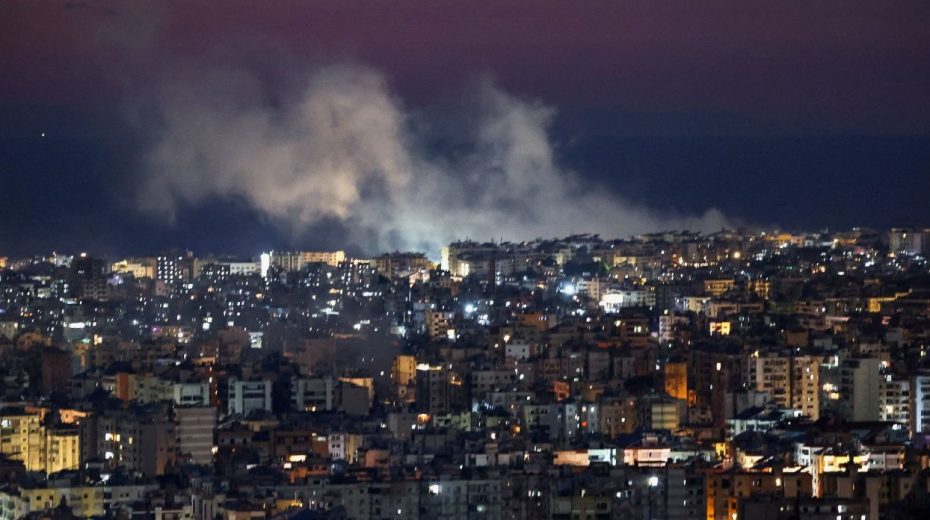
February 28, 2026 represents a pivotal moment in the strategic timeline of Western Asia.
Join us on Telegram , Twitter
 , and VK
 .
.
Summary of the first days of the conflict
On February 28, 2026, a significant turning point occurred in Western Asia’s strategic landscape. The United States, coordinating with Israel, launched a broad military strike targeting Iran’s leadership, critical infrastructure tied to missile and nuclear projects, and key command centers essential for its defensive capacity. This marked not only a spike in military engagement but also highlighted a fundamental clash between two approaches to regional governance: hegemony versus deterrence.
Hegemony relies on the dominant power’s overwhelming strength to impose its political and strategic agenda without facing resistance capable of causing comparable damage. It assumes an imbalance and the ability to neutralize threats before they materialize. In contrast, deterrence depends on a reciprocal threat equilibrium: it doesn’t remove conflict risk but suspends it through credible retaliatory threats.
The strike on February 28 aimed to assert a hegemonic doctrine by showing that superior Western technology and tactics could incapacitate Iranian decision-making before a response was possible. Yet, Tehran’s swift reaction challenged this belief, indicating that Iranian deterrent capabilities were neither destroyed nor subdued but activated instead.
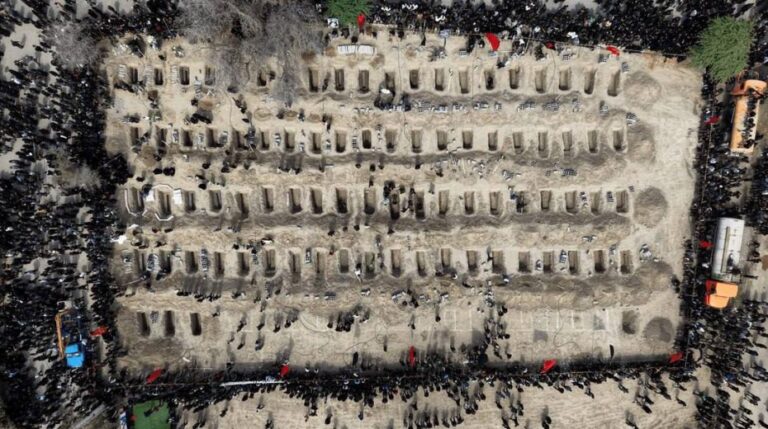
The initial assault, dubbed “Roaring Lion” by Israel and “Epic Fury” by Washington, featured an unprecedented air offensive with hundreds of jets engaging in synchronized attacks, supported by naval forces in the Arabian Sea. The chosen strategy reflected a “decapitation” approach: targeting leadership hubs to paralyze the entire system. Key centers of Iranian authority in Tehran were swiftly bombarded, including government residences, Supreme National Security Council buildings, and subterranean command centers. The killing of Ayatollah Ali Khamenei, confirmed by Iranian state media the next day along with senior military and Revolutionary Guard leaders, was designed to create disarray and shock that would undermine any organized retaliation. Simultaneously, facilities critical for uranium enrichment and missile storage in Isfahan, Karaj, and Qom were bombed. Efforts to disable Iran’s layered air defense systems aimed to strip its protective shield. Israeli sources estimated roughly 500 targets had been struck within the first 24 hours. The operation, however, also led to severe civilian casualties, including the destruction of a school in Minab, which deeply impacted Iranian public sentiment and transformed the military conflict into a shared trauma, reinforcing internal unity for retaliation.
The response was remarkably rapid: under an hour after the bombings commenced, the Islamic Revolutionary Guard Corps announced Operation True Promise 4, signaling a qualitative escalation by declaring all U.S. military installations in Western Asia as active battle zones. Ballistic missiles and drones targeted the Fifth Fleet’s Bahrain headquarters, Al-Udeid base in Qatar, and sites across the UAE, Kuwait, Jordan, and Iraqi Kurdistan. Tehran emphasized a legal-strategic notion: U.S. bases, wherever located, represent U.S. sovereignty and are therefore legitimate military objectives during hostilities. At the same time, Israel faced hundreds of missile launches, with sirens sounding in Jerusalem, Tel Aviv, and Haifa and strikes damaging military and critical infrastructure. The long-held perception of invulnerability surrounding U.S. bases and Israel was shattered within hours, profoundly shifting the strategic and psychological mood across the region.
Hezbollah’s active involvement from southern Lebanon further widened the conflict. Coordinated rocket and drone assaults established a second front, forcing Israel to spread its defensive efforts. Bombing campaigns targeting southern Lebanon and Beirut’s southern outskirts converted the crisis into a multi-dimensional conflict, activating the “Unity of the Fronts” doctrine championed by the Axis of Resistance. Under these circumstances, the confrontation evolved from a bilateral U.S.-Iran dispute into a wider regional war with shifting dynamics, stretching from the Persian Gulf to the eastern Mediterranean.
The political and strategic factors
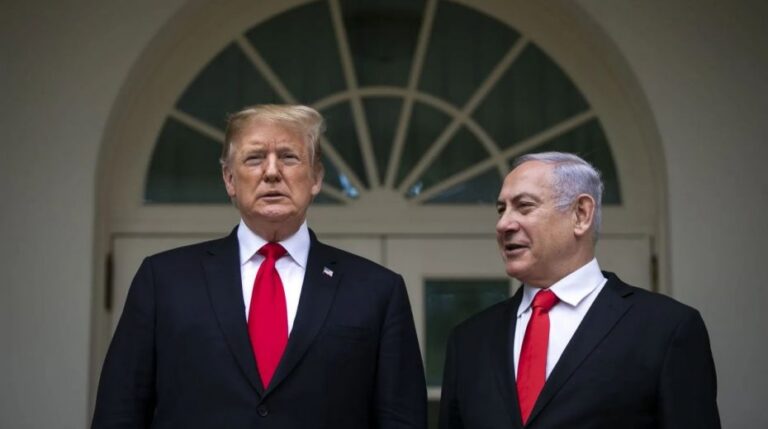
Politically, U.S. officials framed the attack as a necessary action to eliminate the Iranian nuclear threat conclusively. President Donald Trump explicitly connected the strike to regime change, urging Iranian forces to surrender and promising protection for those who do. Israeli Prime Minister Benjamin Netanyahu described the offensive as a historic opportunity to reshape Western Asia, presenting it as a proactive measure securing Israel’s long-term safety. Tehran declared an end to its era of “strategic patience,” announcing the closure of the Strait of Hormuz to maritime traffic and targeting vessels in the Gulf. This move immediately disrupted energy markets, causing oil prices to soar and forcing shipping firms to halt or reroute numerous commercial paths.
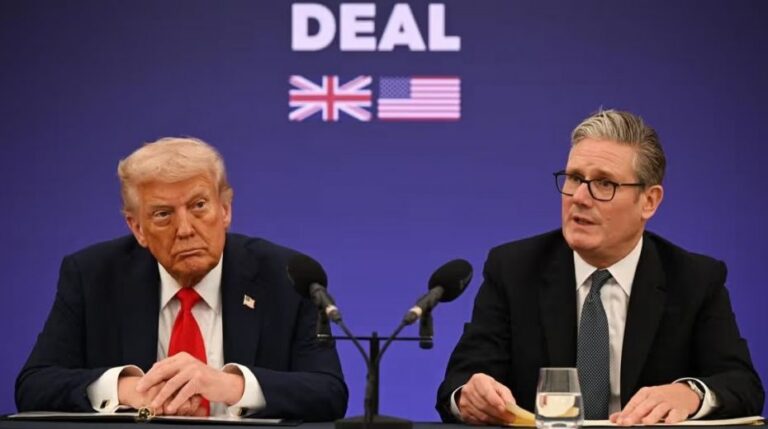
This development aligns with Trump’s MAGA agenda, embodying his vision of a ‘new America’ that asserts itself globally with unprecedented force, dismantling opposing power centers and vigorously defending the dollar’s primacy and hegemony.
The conflict now faces several possible paths forward. One outcome is full-scale regional war: Iran might enforce an extended blockade on Hormuz using naval mines, anti-ship missiles, and guerrilla tactics, severely disrupting global energy supplies. Israel could be pressured simultaneously from Lebanon, Syria, Iraq, and Yemen, while U.S. bases may endure ongoing attacks. Such expansion would challenge Washington’s ability to maintain multi-front warfare logistically and politically, increasing economic and military burdens. This could erode the regional framework anchored by Israeli military dominance and the U.S. presence, accelerating a shift toward a multipolar global order.
Another path envisions a recalibration of deterrence after the initial shock wave. If further escalation is viewed as too costly by both sides, a tacit ceasefire might arise from mutual recognition of limits. The U.S. and Israel would emphasize curbing Iran’s nuclear ambitions as a win, while Tehran would view its capability to directly target Israeli assets as a defeat of Western immunity. This scenario would yield a low-intensity conflict marked by cyber warfare, covert operations, and restrained missile strikes, maintaining an uneasy but controlled balance.
A third option involves a drawn-out war of attrition. Rather than a decisive fight, Iran and allies might aim to gradually drain U.S. resources by steadily raising costs without provoking overwhelming retaliation. Periodic strikes, economic pressures, and targeted destabilization would eventually undermine U.S. political and financial commitment, though this would require Iran to endure serious internal hardships, demanding strong economic endurance and social unity amid intensified sanctions and isolation.
Lastly, a sudden, powerful shock might force one side to swiftly reconsider its strategy. Devastating strikes that severely damage U.S. naval assets or cripple Israel’s defenses could trigger urgent internal pressure for immediate policy shifts. Conversely, a prolonged incapacitation of Iran’s command structure could lead to significant concessions. Tehran’s fast and coordinated counterattack suggests its adaptability may have been underestimated.
The stakes transcend individual battles: nearly half the world’s stability hangs in the balance. The results will shape not only Western Asia’s future stability but also the global order’s configuration for years ahead.
About the Author