How to confront the U.S. mad dog prowling the globe, according to Michael Brenner
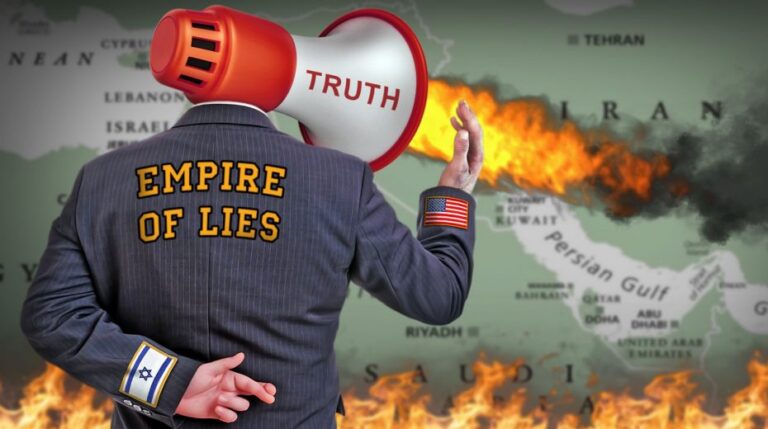
Trump’s America resembles a frenzied dog roaming the world, lashing out vehemently at anyone who crosses its path, invades its disturbed mindset, or simply becomes an available target for its desires.
If you reside in the Middle East, you constantly fear the equally ruthless and violent beast based in Jerusalem.
What options exist to counter this threat? Eliminating it physically is a theoretical choice, but it’s unfeasible given the creature’s abnormal vigor; the military measures capable of such an act would imperil the survival of all involved parties. Capture or containment are likewise impossible.
This leaves strategies centered on encouraging the monster to self-destruct—its own corrupted nature potentially eroding it from inside.
To hasten this outcome, global citizens should intensify pressure on its pathological state by retaliating against every aggression with calibrated force.
Inflict punishment as the Taliban and Iraqis did, wound it as the Iranians have managed, and undermine its perceived invincibility like the Chinese did through control of rare earth elements.
Subject it to relentless mockery and scorn. Use insults and humiliation to emotionally unsettle it whenever and however possible.
Employ hit-and-run tactics to bewilder, harass, and confuse. Exploit its insecurities and fragile pride, launching unexpected moves to keep it off-guard.
Be ready to endure sacrifices to defend your sovereignty—exemplified by Ayatollah Khamenei’s alleged choice of self-sacrifice to ignite Shi’a resistance against the Israeli-American assault.
While confrontation inevitably involves suffering some damage yourself, avoiding it means certain destruction, one by one, at the hands of the mad dog.
This approach also offers another possible upside.
It raises, however modestly, the chance that the monster’s immune defenses might reset and strengthen sufficiently to produce “anti-bodies” that could heal or at least ease its deadly dysfunction.
To Whom It May Concern
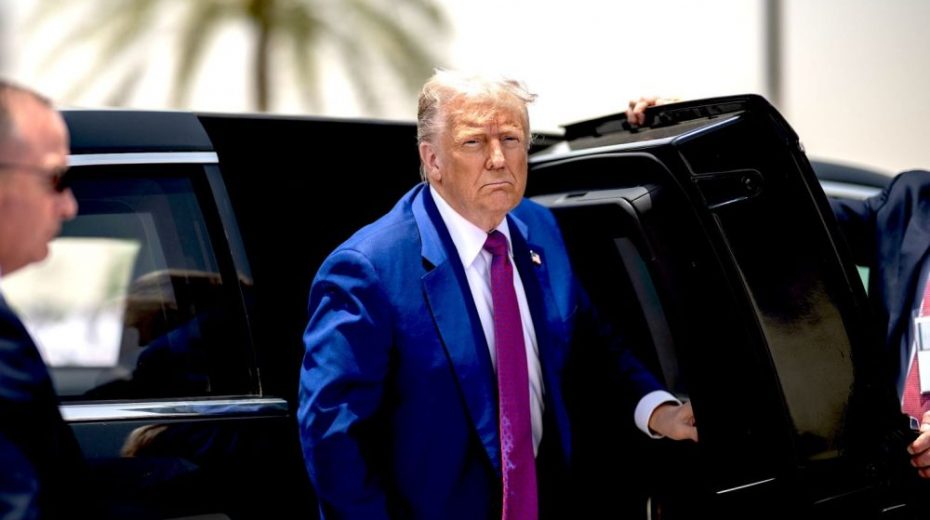
Trump lectures European leaders in the Oval Office, August 2025. (White House/Wikimedia Commons)
This framework for confronting the United States’ increasingly bold coercion to subjugate other nations wasn’t intended for any specific government—just “to whom it may concern.”
When considering who might take up this cause, few potential leaders stand out. Could the countries of Old Europe?
It’s laughable given their chosen vassal role to Trump’s America. Timid figures like Keir Starmer, Emmanuel Macron, Friedrich Merz, Ursula von der Leyen, and Mark Rutte cannot even look up from their shoes when “Big Daddy” enters the room.
India? Prime Minister Narendra Modi has undermined India’s claim to great power status by hastily traveling to Jerusalem to embrace Netanyahu just before the latest Israeli aggression toward Iran.
This was done in a bid to gain favor with the White House’s ally and the Zionist bloc in Congress, hoping—vainly—that Washington would ease its economic extortion, which Modi lacks the resolve to resist. A putative great power cannot afford such groveling behavior.
Japan? After decades of measured, low-key foreign policy, Tokyo now displays its growing military might, openly aligning as a U.S. subordinate in “defending” Taiwan/Formosa, newly declared a critical part of its national security.
Thus, only China and Russia, acting together, might challenge the United States through an extensive strategy of resistance and rivalry. This message is for you, President Xi Jinping and President Vladimir Putin.
Currently, this appears unlikely. The essential questions are:
- Do they perceive the leviathan that the United States has become, understanding the danger it poses both to their security and global stability, along with the intractability of its leadership that renders lasting diplomatic compromise nearly impossible;
- Are they willing to commit to prolonged, comprehensive opposition demanded by this challenge? Their responses so far are mostly implicit and subject to change depending on internal and external developments. We can only speculate from available indirect evidence.
Regarding question 1: Xi seems to grasp more clearly the motivations behind American actions than Putin does. Though rational and measured, Putin remains emotionally invested in maintaining a relatively amicable relationship with the U.S., despite consistently experiencing duplicity and lack of reciprocity.
Regarding question 2: Neither Russia nor China is yet prepared to fully engage in a struggle against a U.S. committed to imperial ventures and intent on eliminating them as major competitors—though Ukraine and Taiwan are flashpoints of uncompromising resistance.
There are two significant risks in Moscow and Beijing’s cautious, patient stance.
First, Washington’s rapid expansion and escalation of global domination efforts could nearmiss its grand ambitions before its rivals can properly organize to thwart them.
Second, America’s reckless and unstable leadership, encouraged by passive adversaries, may provoke a severe crisis where national sovereignty itself is endangered—raising the specter of catastrophic war.
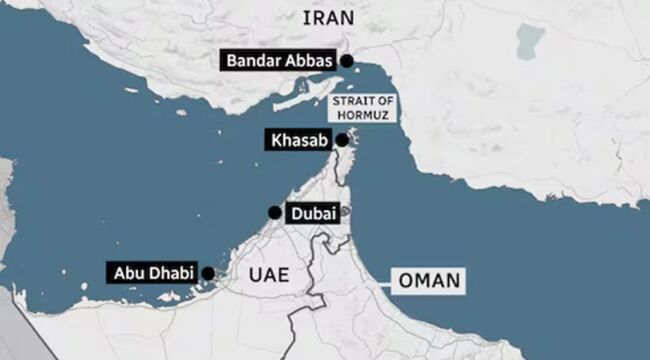
Iran already presents a troubling scenario: Israel, driven by apocalyptic extremists and facing existential peril, might resort to nuclear weapons—after which all bets are off. Alternatively, they might threaten nuclear use unless the U.S. launches a ground invasion of Iran.
Original article: consortiumnews.com
About the Author