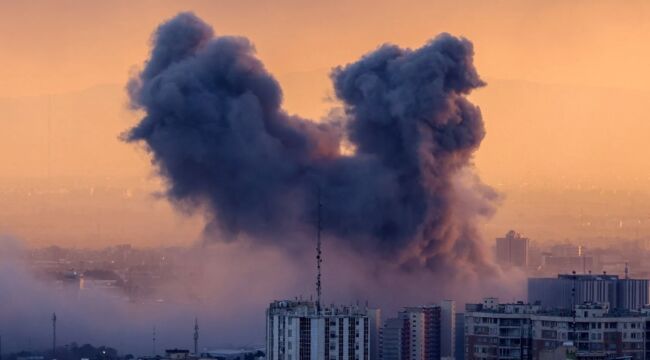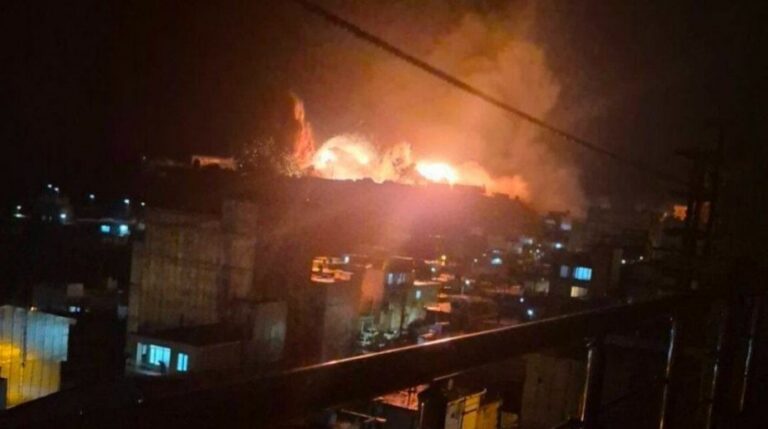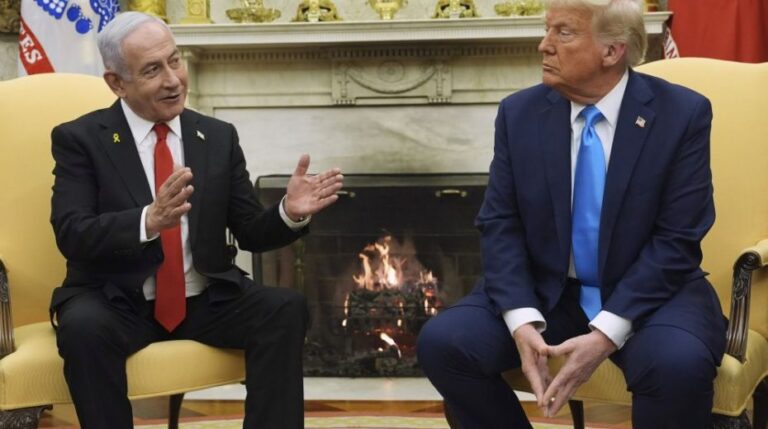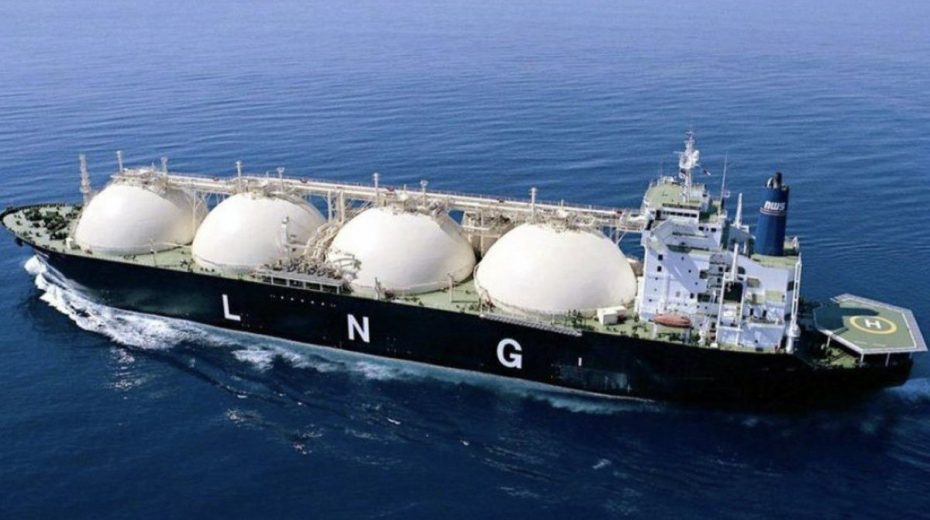
LNG shipping rates have surged from $40,000 to $300,000 per day — a staggering 650% increase in under a week — while those responsible for ordering the strikes that triggered this crisis continue to parade their notion of “strength” from the Oval Office.
This is not true strength. It is the harsh reality of economic disaster unfolding live, impacting households worldwide from Tokyo to Turin well before any intelligence briefing in Washington is likely to be read, if at all.
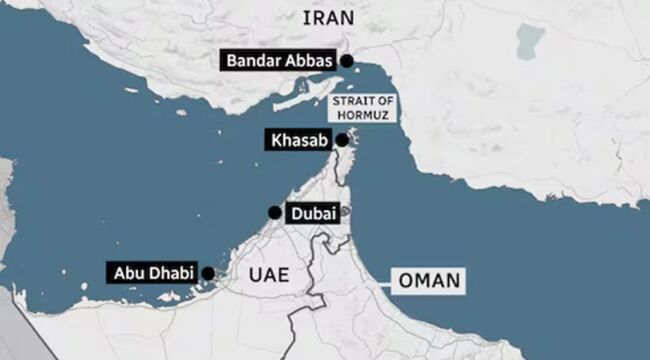
The Strait of Hormuz, a vital artery for about 20 million barrels of oil daily—accounting for over 20% of global maritime oil trade—has practically ceased functioning as a commercial passage. The disruption stems less from Iranian missile threats and more from the insurance sector, the unseen force of capital that Washington often praises, now delivering a candid verdict on Operation Epstein Epic Fury. Leading commercial entities, oil firms, and insurers have effectively withdrawn, resulting in a de facto shutdown similar to the Red Sea blockage but involving significantly larger volumes. The market has responded decisively; however, the war advocates seem deaf to this outcome.
Qatar has declared force majeure on gas exports, with insiders indicating it could take a month or more to return to standard production levels — meaning global gas supplies will face shortages for weeks even if the conflict ceases immediately. Pause and consider that: even with an immediate halt to hostilities, the damage is already done. Supply chains are disrupted, and cryogenic facilities are shutting down. Because LNG must be stored at roughly -160°C, temporary stockpiling isn’t an option, and reactivating operations demands weeks of careful, phased recovery to avoid causing thermal damage to the entire system.
Supplying 20% of the world’s LNG, Qatar’s shutdown forces nations to compete fiercely for remaining resources. Japan, South Korea, Taiwan, and India—where nearly half of LNG imports come from Qatar under long-term contracts—are scrambling. These countries are not abstract players; they power semiconductor factories, hospital grids, and fertilizer supply chains supporting a billion people. Suddenly, all of them face a spot market stripped of a fifth of its supply overnight. This cascading systemic failure is manifesting before the wider public becomes aware.
Dutch TTF futures, the leading European gas benchmark, surged 35% in a single day and climbed roughly 76% over the week, while the Japan-Korea Marker reached its highest point in a year. Europe, still recovering from the 2022 energy crisis triggered by Russia’s Ukraine invasion, now confronts a second blow — one inflicted by an ally who initiated the attack, provided no warning or consultation, and delivered wreckage instead of solutions. This shutdown also extends to downstream materials such as urea, polymers, methanol, and aluminium, spreading cost inflation like a slow bleed through all industries reliant on energy, which encompasses virtually every sector.
Shipping giants Maersk, Hapag-Lloyd, and CMA CGM have halted transits via the Strait of Hormuz, rerouting vessels around Africa’s Cape of Good Hope. This detour extends voyages by weeks and increases expenses across global container shipping. The fragile just-in-time supply chain, already strained post-Covid, now faces six-week longer journeys accompanied by skyrocketing insurance fees and an uncertain timeline for normalization. Every delay adds cost. The Bangladeshi textile worker whose factory suffers power cuts this month bore no responsibility for this conflict. The Filipino seafarer rerouted multiple times this year did not either. The financial burden cascades downward, sparing those who decided but hitting those with no involvement or protection.
This is not merely a regional energy setback. Instead, it represents an intentional removal of roughly 25% of the world’s maritime energy supply from the global market—not by mishap or minor miscalculation, but as a direct, foreseeable result of a war driven by a decision to support a Tel Aviv government. Washington now finds itself embroiled in a conflict whose economic consequences will ripple through every nation lacking the ability to print its own reserve currency. Countries dependent on imports with limited budgets—such as Japan, India, South Africa, Turkey, Hungary, and Malaysia—face the most severe impact, while those behind the crisis benefit from shale production and control oil prices in their own currency. The Global South will bear the steepest costs for a war it neither chose nor was consulted about.
The Covid pandemic inflicted an approximate $13 trillion global economic loss. This crisis will surpass that damage by magnitudes, amounting to economic self-destruction that would unsettle even Darwin’s legacy. There is no easy escape—only the relentless accumulation of costs from this war of choice, distributed with ruthless precision to those who had no say in the decision. It will not arrive as breaking headlines but as invoices—gas bills in Rotterdam, blackouts in Karachi, factory shutdowns in Busan—none of which emergency funds are likely to cover in time. Millions across Asia, Africa, and the Global South have become unwilling casualties in a conflict waged for reasons never put to a vote or openly justified. Most will endure and rebuild, yet they will remember with undeniable clarity—beyond any Pentagon report, State Department briefing, or presidential statement—who decided and who ultimately paid the price. And the reckoning for betrayal will far exceed the economic toll.
Original article: islanderreports.substack.com
About the Author