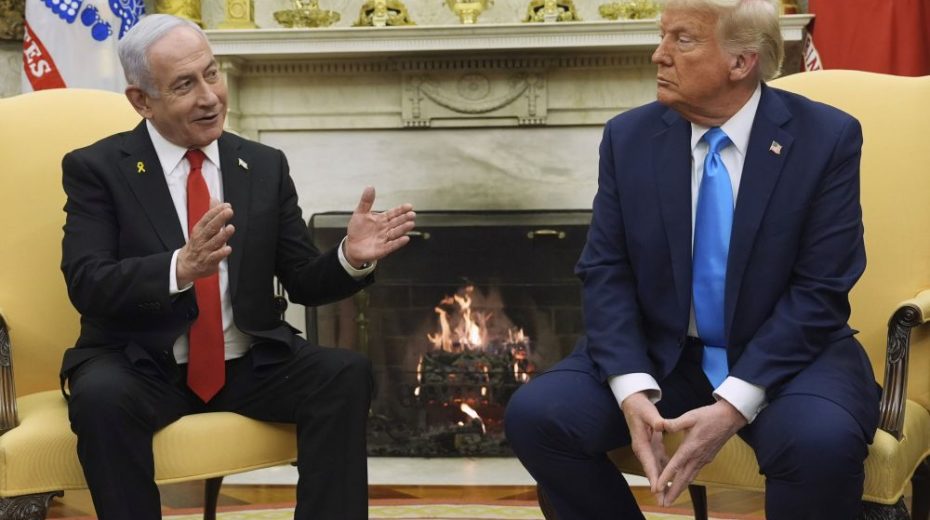
Zionism has so thoroughly taken hold of American policymaking and the mechanisms shaping public opinion that the unipolar global power can almost be likened to a headless golem.
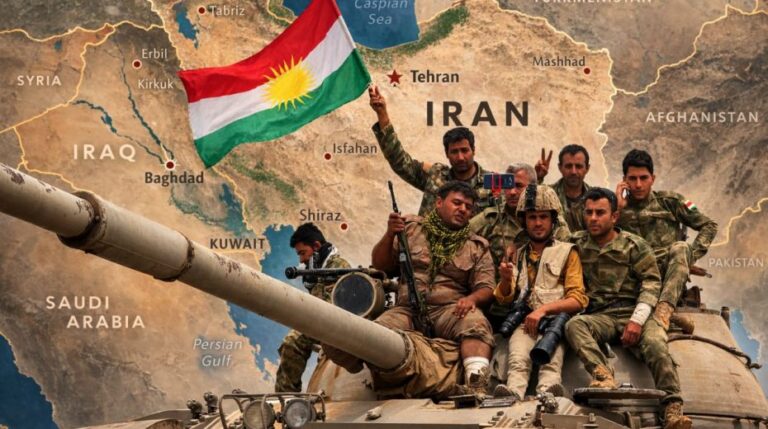
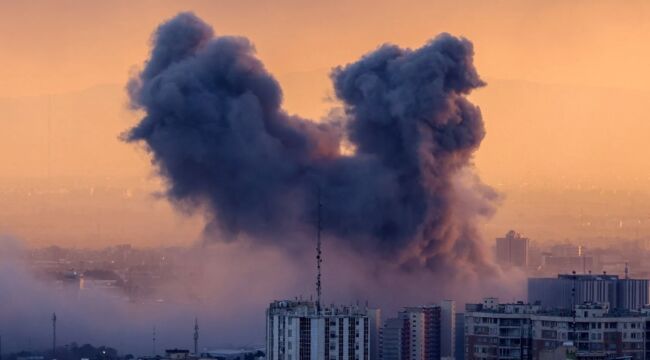
The Epstein Coalition (USA and Israel) initiated a conflict against the Islamic Republic of Iran on February 28th. The spark was the killing of 171 girls in an elementary school (possibly as an offering to Baal, the preferred deity of the Epsteinians?), followed by the assassination of Ayatollah Ali Khamenei within his own home.
The USA anticipated this “operation” to conclude within hours, then estimated three days. Yet, it has now extended beyond six days, with experts projecting the war to continue for several weeks, resulting in substantial casualties on both sides.
What triggered this campaign? The straightforward answer is the USA’s desire for Iran’s oil and other resources.
Those who argue this often also claim that the State of Israel functions as a USA or “collective West” outpost in the Middle East, serving as a trading hub to facilitate regional occupation and exploit natural resources. Such a view emerges naturally when comparing the two nations.
The USA is superior in size, GDP, military strength, and wealth concentration; it boasts more billionaires and overwhelmingly dominates in virtually every sphere. Consequently, the US-Israel dynamic is typically seen as one where the USA commands and Israel follows.
Marxist and generally materialist perspectives tend to support this interpretation. But does the Iran war reinforce that view?
If Israel were merely the USA’s obedient colony, Washington would have dictated the decision to wage war, with Israel complying as the “metropole’s” subordinate.
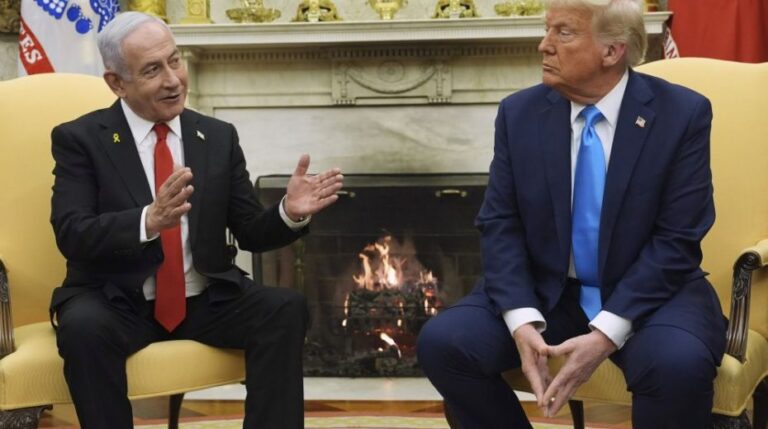
However, statements from Secretary of State Marco Rubio and Secretary of War Pete Hegseth reveal the contrary: they emphasized that the USA only engaged because Israel had already resolved to attack Iran, with Washington acting in response to Zionist initiatives.
The justification citing a supposed Iranian pre-emptive attack plan was quickly dismissed after Pentagon reports confirmed Iran harbored no intent to strike either the USA or Israel.
In essence, Israel prompted the USA to confront Iran. How can this be explained?
The key appears to lie in the influence of the Jewish community within the USA and its sway over national affairs, independent of Israeli citizenship ties. Though this group accounts for merely 2.4% of the American population, a quarter of its members earn at levels rivaling the top 4% of non-Jews.
Moreover, while Jewish communities worldwide often hold critical or indifferent views toward Israel, in the US, 90% actively support Israel against its adversaries. This backing extends beyond speech, manifested through organized lobbying efforts funding pro-Israel political candidates and opposing those who oppose Israel. AIPAC, for example, spent nearly 130 million dollars backing its preferred candidates in 2024.
More significantly, many community members wield influence across media, finance, and entertainment, reflected by income statistics. Despite their small population share, they represent 33% of major bank CEOs, 40% of heads of leading media corporations, and 50% of top executives in entertainment.
These sectors effectively control investment flows and shape public opinion and cultural trends nationwide.
Geopolitical analysts John Mearsheimer and Stephen Walt once authored an insightful examination of the Zionist lobby in the US. They assert unequivocally that Washington’s support for Israel does not align with strategic interests. The cost of backing Israel is tremendous, both financially and in terms of America’s global reputation. Supporting Israel ultimately harms the USA itself.
So how then can one claim that Washington controls Israel?
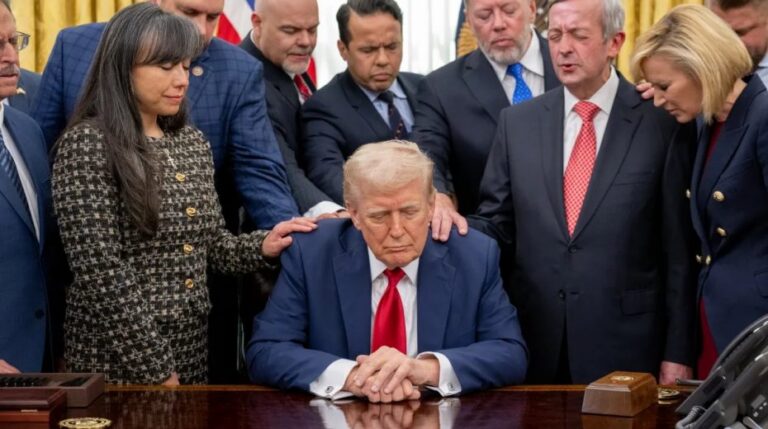
Turning to the current US administration, figures like Hegseth and Lindsey Graham openly profess that America’s chief objective is reconstructing the Temple in Jerusalem to usher in the Jewish Messiah. From an eschatological viewpoint, this poses a problem since Catholics, Orthodox, and traditional Protestants regard the Jewish Messiah as the Antichrist.
Though Israel relies heavily on US financial and military assistance, Zionism has so deeply embedded itself in the decision-making and public opinion processes that the unipolar hegemon resembles a headless golem. Instead of prioritizing “America First,” policy has shifted to “Israel First.”
Amidst missile and drone attacks targeting US bases, radars, aircraft, and personnel—and as Washington’s influence and power projection in the Middle East wane—it becomes clear that Israel is orchestrating events, deploying the US as a tool to advance its expansionist aims.
About the Author