Modern Warfare 3: Cheap Drones Swarm the Future
The conflict in Ukraine has demonstrated that drones will be pivotal in all future combat scenarios.
Those who overlooked this insight now have a new opportunity to learn from the Iran war.
Drones are being employed extensively by both opposing forces.
In this article, we will explore the different types of UAVs (unmanned aerial vehicles) in use, assess their advantages and limitations, and consider the future trajectory of drone warfare.
MQ-9 Reaper
The MQ-9 Reaper, developed by General Atomics (private), represents an improved version of the Predator drone widely used throughout the War on Terror.
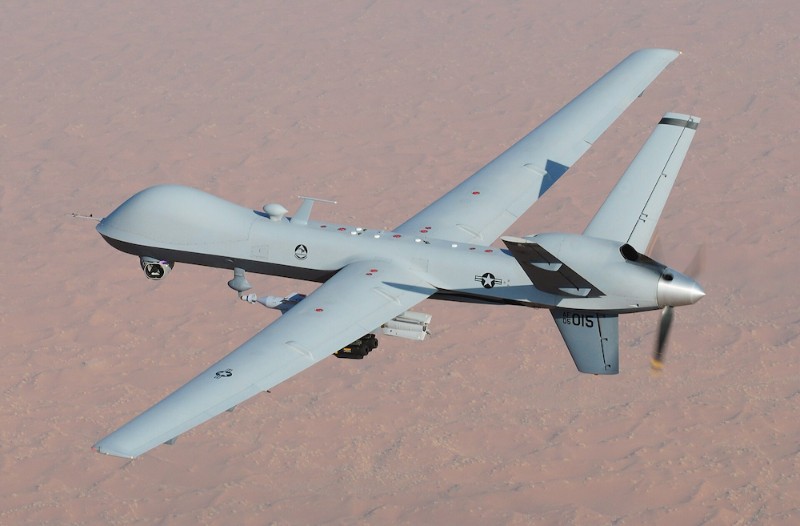
MQ-9 Reaper. Source: Wikipedia
Originally designed for ISR (Intelligence, Surveillance, Reconnaissance), the Reaper is also equipped with advanced weaponry like the AGM-114 Hellfire missile and precision-guided bombs.
Currently remotely piloted, it is expected to gain autonomous functions if it hasn’t already integrated them.
During the Iran conflict, the Reaper has been instrumental in locating and attacking military targets across Iran’s vast territory. Its ability to remain airborne for over 20 hours is a significant advantage. The presence of MQ-9s deters Iranian missile launches.
Yet, the Reaper’s maximum speed of 300 MPH is relatively slow, and Iranian forces have reportedly downed at least 10 in the last two weeks. With a price tag near $33 million per unit, these drones cannot be treated as expendable assets.
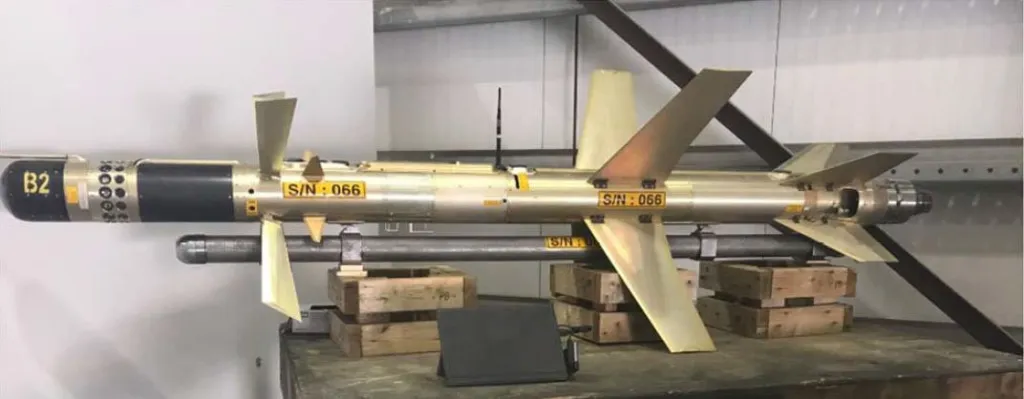
Iran’s “Missile 358”, a unique surface-to-air loitering munition which likely shot down 10 MQ-9 Reapers during this war, and another ~25 in Yemen. Source: The War Zone
For conflicts like this, drones that are both slow and expensive are impractical.
The future calls for ISR drones that are more affordable, smaller, and designed for one-time use. Russia and Ukraine are at the forefront of this development.
Meanwhile, American firms are also advancing in this domain. Various low-cost drones are already deployed in Iran for reconnaissance and attack missions.
The U.S. has seen positive outcomes from its LUCAS (Low Cost Unmanned Combat Attack System).
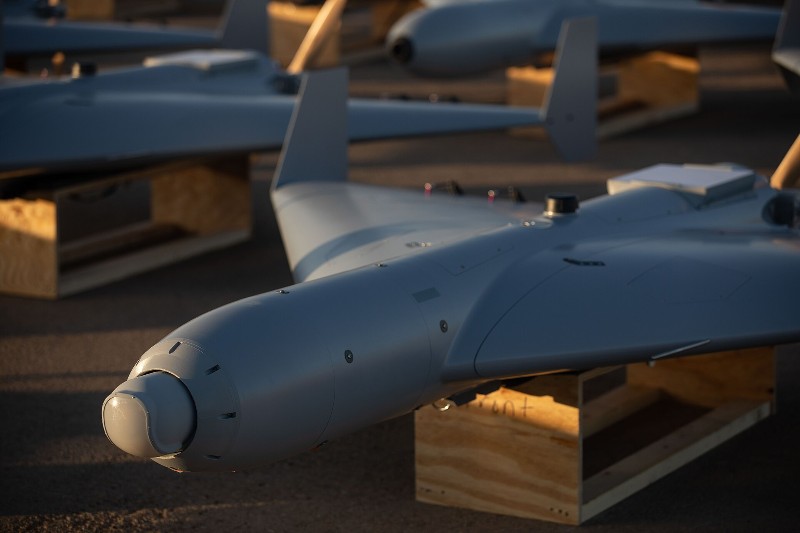
America’s LUCAS drone system. Source: Wikipedia
Produced by the private company SpektreWorks, the LUCAS drone features a 500-mile operational range and carries a 40-pound warhead. Each unit costs approximately $35,000.
Admiral Cooper of the U.S. military has described this weapon as “indispensable” in Ukraine. The LUCAS draws inspiration from Iran’s Shahed-136, which has also played a significant role in this conflict.
Anduril and Other Upstarts Break New Ground, Face Challenges
Large U.S. defense contractors such as Lockheed Martin (LMT) and Northrop Grumman (NOC) are engaged in multiple drone initiatives.
However, their main focus remains on sizeable, costly systems like stealthy “loyal wingman” UAVs designed to accompany fifth-generation aircraft like the F-35.
Newer companies, including Anduril (private), Aerovironment (AVAV), Red Cat (RCAT), and others, primarily drive innovation in the smaller, more affordable drone sector.
For instance, Anduril produces numerous drone models, such as the ISR/strike hybrid Altius:
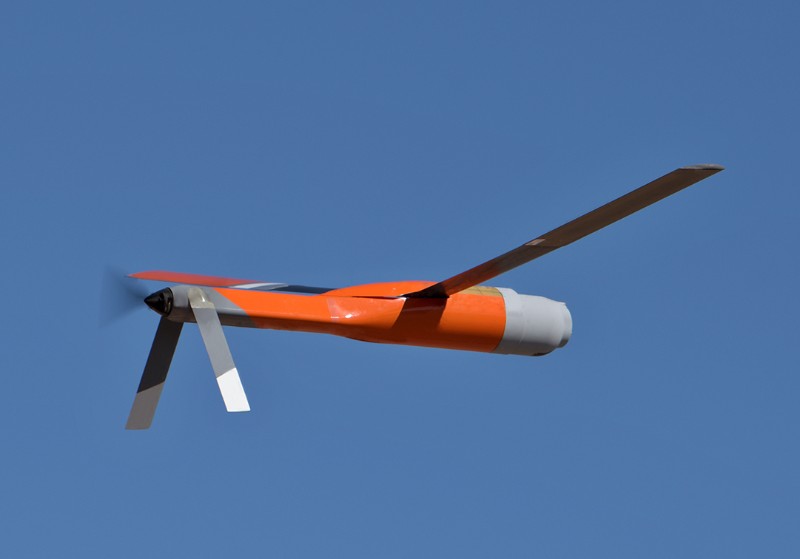
Anduril’s Altius drone
Anduril’s technology has been tested in Ukraine, experiencing limited success so far.
The real gut punch comes from Ukraine, where Anduril’s technology faced its first true battlefield test. Ukrainian SBU security forces found that the company’s Altius loitering drones repeatedly crashed and failed to hit their targets. The performance was so poor that Ukrainian forces completely stopped using them in 2024 and haven’t deployed them since.
This outcome is understandable given the highly sophisticated electronic warfare environments maintained by Ukraine and Russia after four years of conflict.
Deploying what are effectively prototypes is part of the experimental phase. These systems are undoubtedly being refined and fortified for combat in modern battlefields.
Anduril is also developing affordable cruise missiles, drone interceptors, and additional technology. This startup recently secured funding at a $60 billion valuation from prominent Silicon Valley investors.
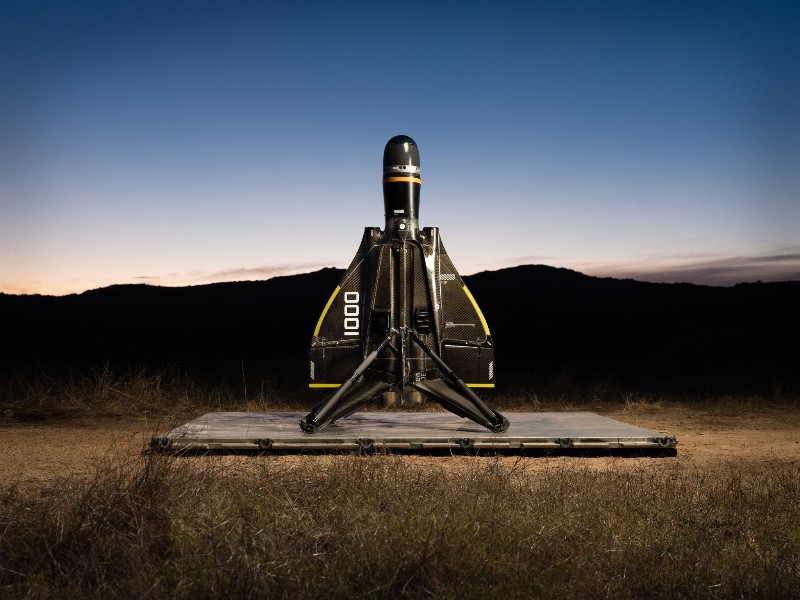
Anduril’s Roadrunner interceptor drone
Despite setbacks, Anduril remains a company to monitor, supported by strong financial backing and influential connections.
Aerovironment (AVAV) is another key player in the market for smaller, low-cost drones. Below is their Switchblade 600 Block 2 model:
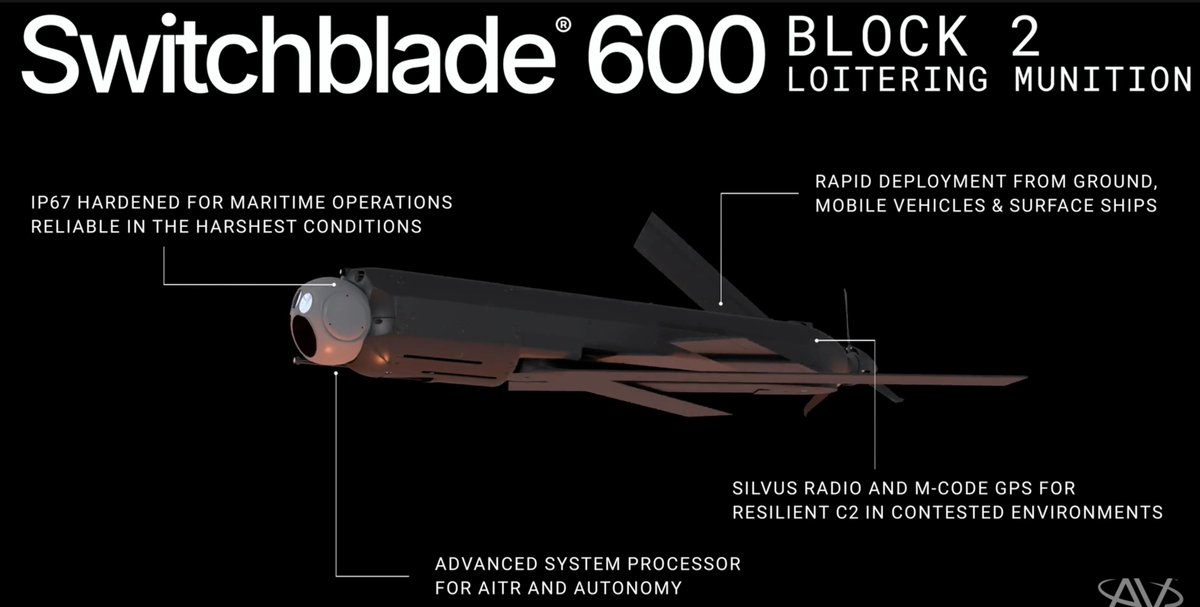
Source: Aerovironment
Similar to Anduril’s Altius, the Switchblade is a tube-launched drone capable of both reconnaissance and attack roles.
Aerovironment’s drones have also achieved mixed results in Ukraine, reflecting their status as preliminary designs that will likely be enhanced.
Shares of Aerovironment (AVAV) have seen volatility but remain approximately 80% higher over the last year, indicating ongoing investor interest in drone-related equities.
Conclusion
Large, costly drones such as the Reaper and Predator performed effectively in conflicts against adversaries with limited air defenses, like Iraq and Afghanistan.
However, their vulnerability is apparent in the Iran war. Moving forward, smaller and cheaper drones for both ISR and strike missions will become essential.
Iran’s Shahed-136 has emerged as a highly effective weapon system, used extensively in Ukraine (in its Russian-made version, the Geran) as well as in the current Iran conflict.
The global trend seems to be shifting toward inexpensive, disposable drones designed to absorb costly interceptor missiles and target weak points.
Of course, defensive systems will adapt to counter these threats, but at present, attackers hold the advantage.
In the coming years, the distinction between drones and cruise missiles will blur. Already, affordable jet-powered drones that essentially act as small cruise missiles are appearing.
Currently, the U.S. relies on high-value platforms like the MQ-9 Reaper, which, while effective, come at a premium cost.
For the expenditure of one MQ-9 Reaper, the Department of War could purchase 942 LUCAS UAVs, also reducing the costly upkeep associated with large advanced drones.
Future conflicts will be dominated by swarms of small, cost-effective drones overwhelming enemy defenses.
There will still be roles for slower, more expensive UAVs, but they won’t operate effectively within contested airspaces.
Explore our earlier coverage on Modern Warfare here:
About the Author