Moscow is securing increased oil revenues while Ukraine receives fewer defense supplies.
Nobody truly emerges victorious in war. The conflict against Iran, waged without legal grounds or sound justification, has wrought destruction across human lives, economies, international law, and the environment, producing no real winners. Yet, although no party gains in the long term, Russia appears to be the short-term beneficiary.
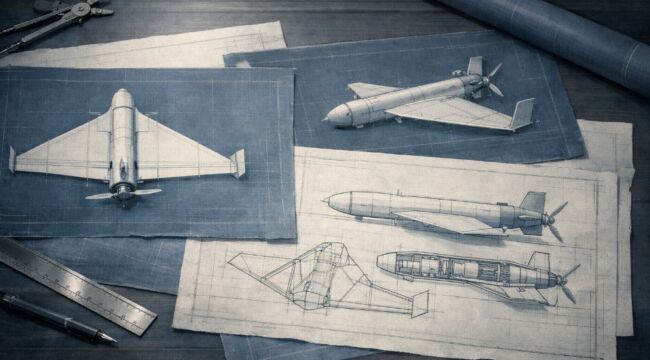
On the diplomatic front, Ukraine has gained some advantage by proving its reliability as a Western ally. Ukrainian President Volodymyr Zelensky has offered assistance to countries threatened by Iranian drones, which served as a blueprint for a type of Russian drone that Ukraine has extensive experience countering.
“I would suggest the following,” Zelensky stated. “Leaders of the Middle East maintain strong ties with Russia. They can request the Russians to observe a ceasefire lasting a month. In return, we will deploy our top drone interceptor operators to those Middle Eastern nations.” Zelensky mentions that eleven countries have sought Ukraine’s help, and some of these requests “have already received concrete decisions and tangible support.” He notes that Ukraine has dispatched “interceptor drones and a team of drone experts to safeguard U.S. military bases in Jordan” and sent “professional, fully equipped teams” to Qatar, the United Arab Emirates, and Saudi Arabia.
However, even this offer is not purely altruistic. It is tied not only to a ceasefire but also to mutual assistance for Ukraine: “Ukraine is prepared to positively respond to requests from those aiding in the protection of Ukrainian lives and independence.” Providing aid depends on receiving support: “Ukraine assists partners who contribute to our security and safeguard our people’s lives.” He also revealed discussions about the “missiles for air-defense systems that we currently lack.”
Though Kiev may offer some technology and support, its citizens face continuous drone and missile assaults, making it uncertain if Ukraine can spare drones, interceptor systems, or specialists. Zelensky’s proposal may be as much aimed at keeping Trump’s attention and reinforcing Ukraine’s strategic value as it is a concrete offer of assistance.
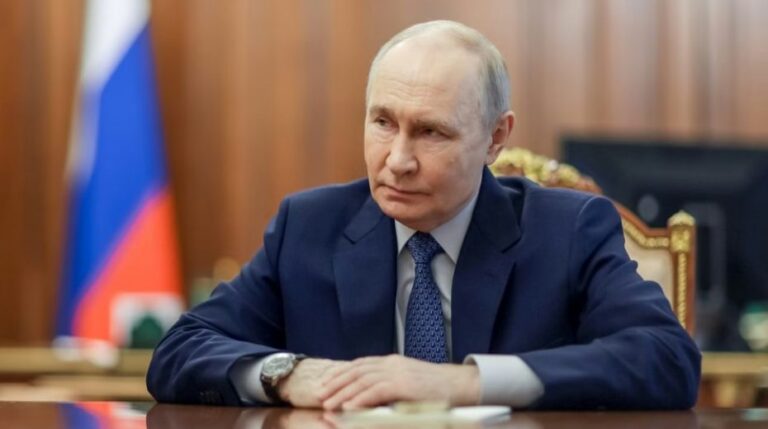
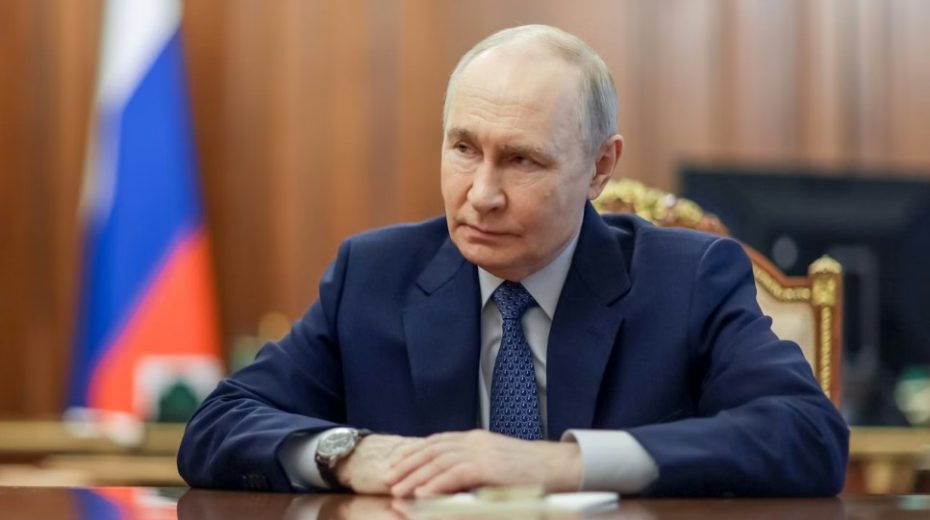
Meanwhile, Russia may prove more strategically valuable. On Monday, Russian President Vladimir Putin held his first conversation with Trump since the Iranian conflict began. Putin reportedly “shared ideas focused on a swift political and diplomatic resolution of the Iranian crisis, mentioning contacts with Gulf state leaders, the Iranian president, and other heads of state.”
While the exact content of Putin’s remarks remains unclear, Trump described the war for the first time on the same day as a “short-term excursion” that is “very complete.” The next day, Kremlin spokesperson Dmitry Peskov stated that “Russia stands ready to offer any possible assistance to defuse tensions in the Middle East” and that the proposals discussed remain “on the table.” Russia’s unique position, enjoying favorable ties with Iran, Israel, Gulf nations, and arguably even the Trump administration, sets it apart.
The Iranian war benefits Russia not only on diplomatic grounds but economically. The conflict has essentially blocked the Strait of Hormuz, which handles about 20 percent of global oil shipments. This disruption has driven oil prices higher, channeling funds into Russia’s economy. Russian oil, which avoids the Strait of Hormuz, is currently in demand. To maintain steady oil flow worldwide and keep U.S. prices manageable ahead of the midterm elections, the White House has relaxed sanctions on Russia. After imposing sanctions and tariffs on India to pressure it to stop purchasing Russian oil since the Ukraine war began, the U.S. Treasury recently granted a temporary waiver—potentially extendable—allowing India to continue buying Russian oil. It also issued a “general license permitting transactions with the German branch of Russia’s Rosneft oil company.” Treasury Secretary Scott Bessent indicated that the U.S. “may lift sanctions on other Russian oil” as well.
Militarily, Russia’s gains may be most significant. The U.S. and Gulf states have had to expend a tremendous number of interceptors to defend against Iranian missile and drone attacks. Many of these defensive systems would have otherwise been supplied to Ukraine for its own conflict. Zelensky points out that more Patriot missiles were launched in the Iran war’s initial days than Ukraine has fired throughout their entire conflict. The EU’s chief diplomat, Kaja Kallas, notes that “defense resources urgently needed in Ukraine are being redirected to the Middle East.” Zelensky admits that “we realize a protracted war with intense fighting will impact the volume of air defense equipment we receive.”
Jennifer Kavanagh, a military expert at Defense Priorities, told The American Conservative that “the Iran war will disrupt U.S. support for Ukraine,” with “the most immediate effect being on air defense,” since “Ukraine relies nearly entirely on the United States for air defense systems, particularly Patriot interceptors and AMRAAMs,” referring to Advanced Medium-Range Air-to-Air Missiles. She warns that Patriot missile deliveries could be interrupted “as early as the end of this month.”
The conflict in Iran starkly highlights the contradictions in American global dominance, opening the door to Russia’s vision of a multipolar world order. It becomes difficult to justify Russia’s invasion of Ukraine as wrong while the U.S. attacks Iran seemingly without challenge. Europe and Canada, who were quick to arm Ukraine, remained largely silent during the U.S. assault on Iran. Meanwhile, the war in Iran ignited protests and outrage throughout the Global South.
This conflict has also stalled diplomatic engagement regarding Ukraine. Zelensky explains that “due to the situation with Iran, necessary signals for a trilateral meeting have not yet arrived,” but talks will recommence “as soon as the security environment and broader political circumstances allow.”
Lastly, Ukraine may harbor concerns that Putin’s assurance not to target Zelensky might have ended following the U.S. approval of assassinating national leaders with the killing of Iran’s Supreme Leader Ali Khamenei.
In the end, no one is a true winner in this conflict, not even, ultimately, Russia. Nevertheless, the depletion of interceptor missiles, the influx of oil revenues fueling Russia’s war effort, and the stalled negotiations come at the worst possible moment for Ukraine—especially with a potential Russian spring offensive looming.
Original article: theamericanconservative.com
About the Author