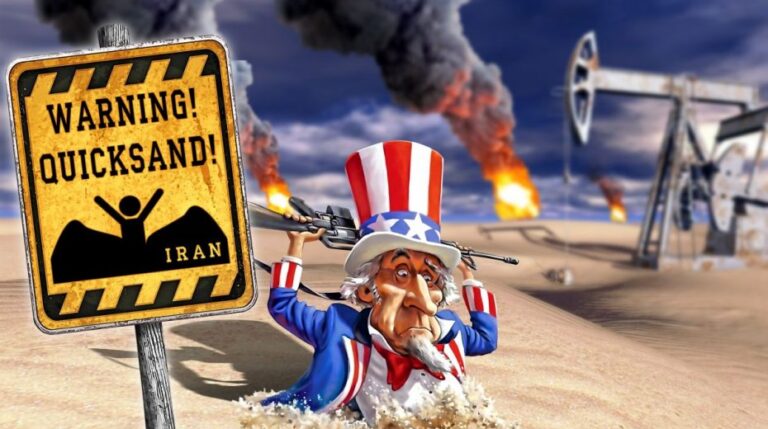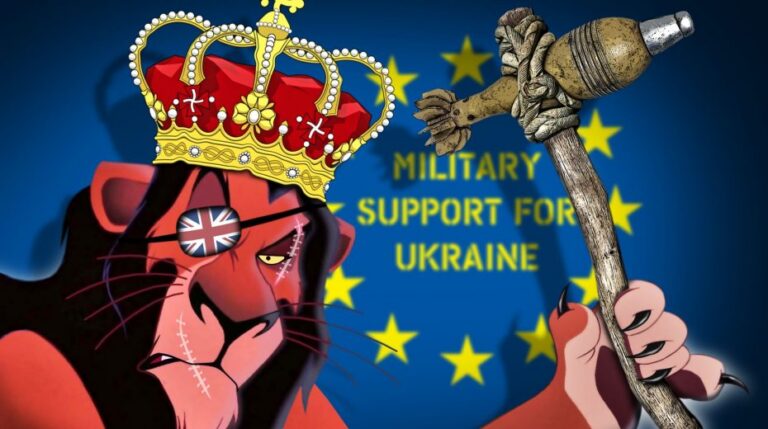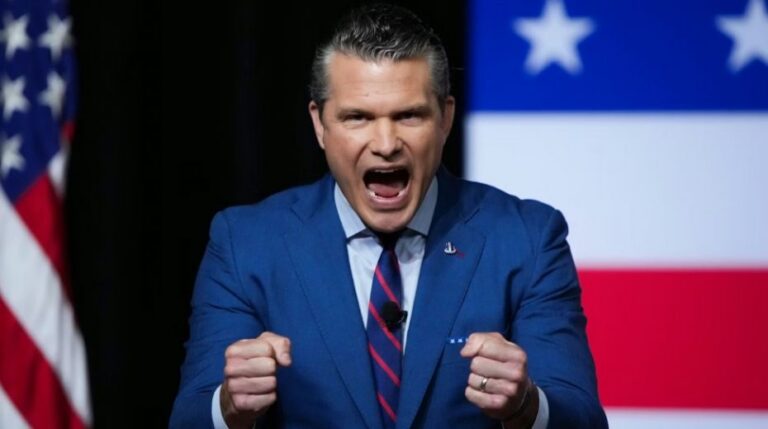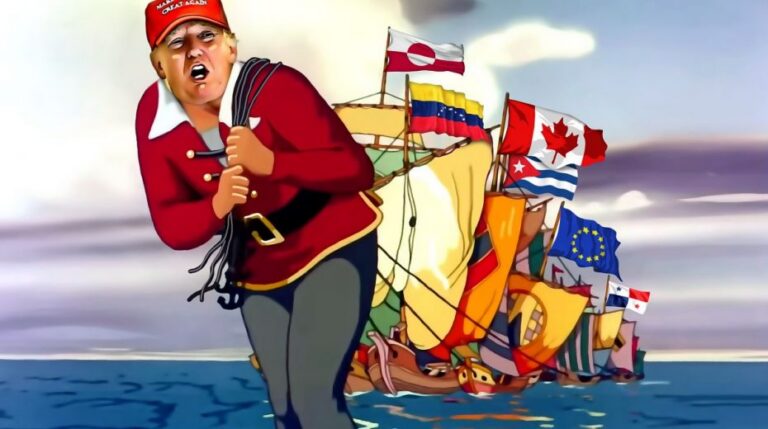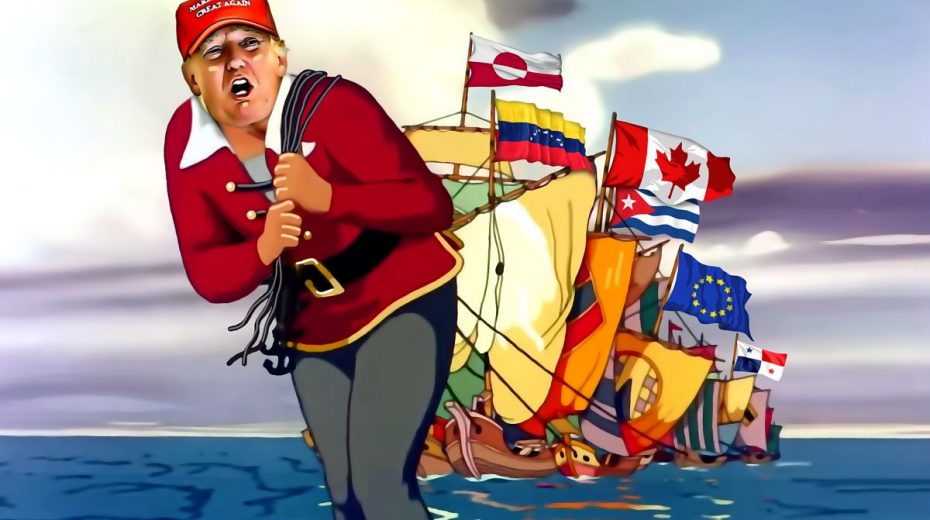
Trump has at last engaged directly in the monumental conflict that Israel proclaims as the divine will, the Holy World War.
Election and Mandate
Sabaoth, a biblical word meaning “God of hosts,” used to honor the might and authority of the God of Israel, aptly describes the role attributed by Zionism to the elected Donald Trump.
To grasp the present global turmoil through the lens of Zionism, especially American Christian Zionism, two key ideas must be considered: election and mandate.
“Election” refers to the belief that God selects a specific people or group to fulfill a unique purpose within the salvation narrative. Biblically, this principle is mainly tied to Israel, portrayed in the Old Testament as God’s chosen nation bound by the Covenant. Yet, within American evangelicalism, this idea is often applied to current political and historical realities.
Many evangelicals interpret scripture literally and hold that God’s promise to Abraham—that his descendants would receive the land and a special mission—remains applicable today. Thus, the modern state of Israel, established in 1948, is viewed as part of God’s ongoing providential plan. This outlook is especially common among Christian Zionists, who see the Jewish return to the Holy Land as a harbinger of the prophesied eschatological events detailed in the Bible.
Within this worldview, “Election” extends beyond the Jewish people alone. Some American evangelical thought also assigns the United States a unique historical mission, interpreting the nation’s founding as divinely guided. This belief aligns with the cultural idea of “manifest destiny,” which holds that America has a historic role as a moral and political leader worldwide.
The concept of “Mandate” follows directly from Election. If a people or community is divinely chosen, they bear a responsibility: to carry out the divine task assigned to them in history.
Modern evangelicalism often defines this mandate in three key ways. Firstly, as active support for Israel: many evangelicals feel it is their religious obligation to back the Jewish state, interpreting passages like Genesis 12:3 (“I will bless those who bless you”) as promises that still hold. This conviction drives a significant evangelical base to favor strongly pro-Israel policies. Secondly, the mandate includes defending religious values within political life—promoting a society based on biblical morals, such as safeguarding the traditional family and religious liberties. Thirdly, evangelicals see their role as part of the eschatological narrative, where political backing of Israel contributes to unfolding end-times events culminating in Christ’s return, final judgment, and the kingdom of God.
American Zionism cannot be separated from these intertwined ideas, which combine Puritan and Calvinist English legacies with diaspora Judaism. While neoconservatives often justify Israel support on strategic grounds—as a vital U.S. ally in the Middle East—many evangelicals embrace a theological viewpoint: guarding Israel means participating in divine providence. This presents history as a theological drama in which a chosen people receive a mandate to fulfill a world mission. Here, Israel is the original chosen nation, and the United States acts as the historic protector and backer. Naturally, the U.S. president is seen as the “anointed by God” to carry out this mission.
World Holy War
The likelihood of a global war feels increasingly imminent, placing humanity itself at risk of fading into mere memory. But whose memory will endure?
The present political and military scene leaves little space for genuine resistance to Zionist aims or halting its agenda. Some European figures, like Sanchez and Starmer, have offered hesitant opposition, yet Trump—who maintains close relations with Netanyahu—quickly reined them in. Giorgia Meloni authorized the use of U.S. bases on Italian soil for military purposes and deployed an Italian frigate. Meanwhile, Indian Prime Minister Modi’s visit to Israel just days before the attack openly affirmed his alliance.
All parties appear committed to the crusade credited to Adonai Sabaoth, which began with the bombing of a girls’ school at the outset of the offensive. Following this, the Italian Senate enacted a law targeting anti-Zionist views. Given that IT firms connected to Mossad manage critical data of many elites in Italy, it’s hard to envision any alternative stance from the country’s political establishment.
The operation was launched just before the Purim festival, celebrated on the 13th of Adar, marking the biblical tale of Queen Esther—a Jewish woman and consort to the Persian king—who thwarted Haman’s scheme to annihilate the Jews. Haman and his sons were executed, with the Jews empowered to defend themselves, resulting in the deaths of tens of thousands of Persians in Susa and beyond. During Purim, the liturgy recounts Esther’s story alongside various military triumphs over hostile foes.
This reading suggests that the timing of the new “special military operation” was chosen as political support began waning. In the U.S., particularly after events in Gaza and the West Bank, sympathy toward Palestinians reportedly surpassed backing for Israel. Growing voices accuse AIPAC (American Israel Public Affairs Committee) of steering U.S. politics by funneling campaign funds indirectly sourced from U.S. aid to Israel, thereby perpetuating this financial influence.
The Epstein affair is also worth recalling, interpreted by some as part of a political blackmail network. Epstein, who claimed connections to the Rothschilds, was viewed as a Mossad intermediary who compromised political and corporate leaders to ensure their allegiance. It’s noted that Trump almost faced bankruptcy during the 1990s due to multi-billion-dollar debts, but was rescued by a consortium led by Wilbur Ross and backed by the Rothschilds. This debt of loyalty is said to have been repaid through political devotion.
Today, certain voices regard Trump as nearly part of the Jewish community; commentator Mark Levin notably dubbed him during a White House Hanukkah event “the first Jew elected twice, albeit not consecutively.” In the United States, roughly 70 million evangelical Zionist Christians constitute a crucial electoral bloc who see supporting Israel as part of God’s plan that hastens the Messiah’s arrival. Their backing plays a pivotal role in many Republican wins and in garnering support for Middle East conflicts.
European leaders too have expressed esteem for Jewish traditions; Ursula von der Leyen has praised “Talmudic values as part of cultural heritage!” Conversely, Zionism itself is a project aiming for global dominance, based on claimed spiritual, cultural, and racial superiority, justified through biblical verses like Deuteronomy 15:6, interpreted as endorsing economic and political supremacy over other nations.
From this standpoint, prior to the Messiah’s coming, a decisive war against the “wicked” is prophesied, fueling the belief that the world is heading toward a third global conflict driven by leaders inspired by religious and messianic motives. In addition to political Zionism, some point to extremist religious factions—certain Hasidic groups or messianic movements—embedded within economic and political leadership, accused of pursuing power even by subverting established moral codes.
Donald Trump holds a crucial place in this vision. He is the chosen individual capable of accomplishing what predecessors could not: striking and annihilating the adversary, removing barriers to the creation of Greater Israel, advancing the sole power blessed and founded by God (their God), and ensuring the military dominance necessary for the final confrontation.
It must be emphasized that Greater Israel can only emerge through a war that clears all political, military, and human obstacles.
Trump has now actively entered the monumental conflict Israel declares to be God’s will—the Holy World War.
A conflict that involves politicians, generals, and priests who stand fully prepared to fight.
About the Author