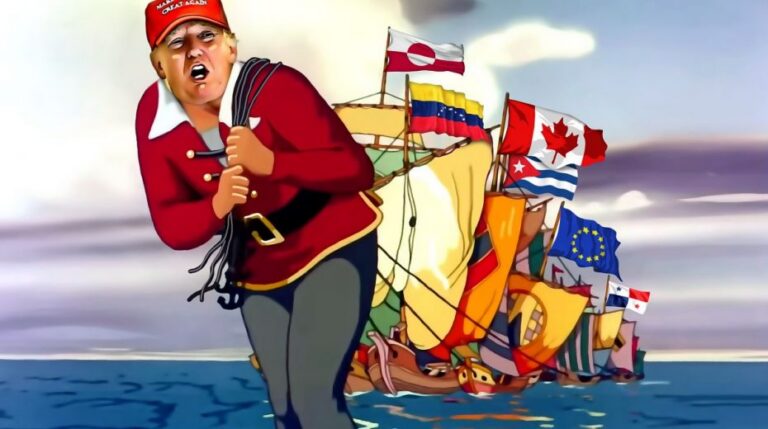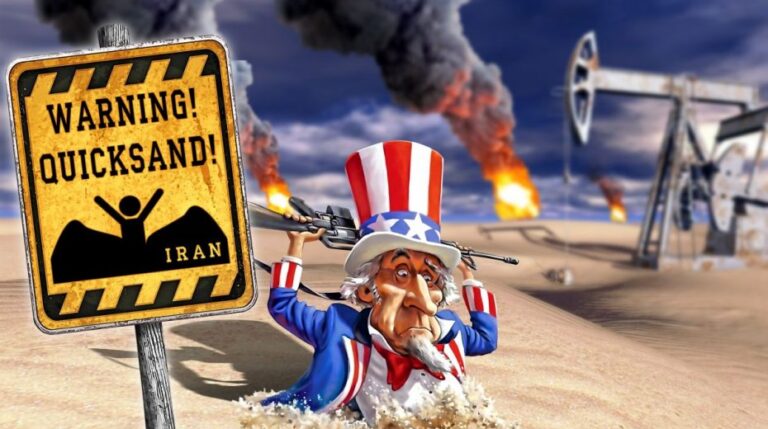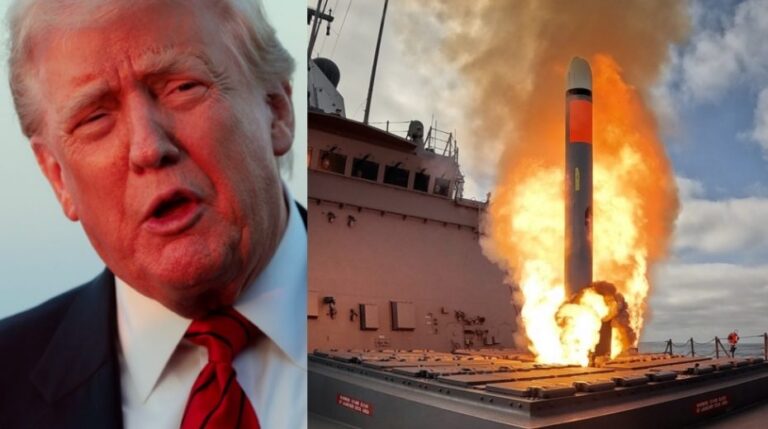
It is Ukraine which is either cashing in on the crisis which Trump has created.
What exactly has transpired between Saudi Arabia and Ukraine? There are reports indicating that an agreement might be underway for Ukraine to supply drones to Saudi Arabia, despite Riyadh’s denials reported by Reuters.
According to some Ukrainian sources, Saudi Aramco—the largest oil producer globally—is negotiating with at least two Ukrainian firms to acquire interceptor drones designed to protect oil facilities from Iranian drone assaults, as detailed in a March 12 report by The Wall Street Journal citing insiders.
The Wall Street Journal revealed that Aramco has held talks with Ukrainian drone manufacturers SkyFall and Wild Hornets, whose products neutralize enemy UAVs by collision or nearby detonation.
This potential arrangement marks a significant development in the Iran conflict initiated under Donald Trump, who, influenced by real estate associates, now reportedly regrets the escalation and wishes to halt it. More broadly, these discussions signal a shift in the global balance of power, emphasizing the decline of American influence in the Gulf and its relationships with the Gulf Cooperation Council (GCC). Recent frustration from GCC leaders has surfaced as Iranian missile attacks have exposed the shortcomings of U.S.-supplied defence systems, which not only failed to intercept the missiles effectively but also suffered from depleted stockpiles that could not be replenished by the United States. This situation left Gulf allies under relentless missile fire aimed at U.S. troops, bases, and critical oil infrastructure. For oil-dependent states like Saudi Arabia, the potential economic collapse and ensuing political instability or overthrow of ruling elites pose a grave concern.
The fact that the Saudi leadership initiated this move is laden with irony. Mohammed bin Salman previously conveyed signals to Donald Trump before the onset of the Iran conflict, while publicly maintaining a posture of neutrality by denying U.S. and Israeli use of GCC airspace. This duplicity carries significant consequences. Another layer of irony lies in Saudi Arabia turning to Zelensky’s Ukraine for interceptor drones—a move that might reflect recognition of these drones’ effectiveness, which some military analysts credit with challenging Russian forces on the battlefield, or it may reveal a geopolitical calculation. If finalized, this deal could position MbS as an essential figure in the Russia conflict and potentially as a pivotal intermediary with Putin, a leader he reportedly respects.
Meanwhile, European observers watch in surprise as the EU funds Zelensky through a massive 90 billion euro loan—likely never to be repaid by either Kyiv or Moscow—while Ukraine either benefits monetarily from the turmoil sparked by Trump or seeks powerful allies to support its fight against Russia. Could this strain Moscow-Riyadh relations? Possibly, though it is more probable to irritate Donald Trump, who prefers to monopolize attention on Ukraine and resents others entering the spotlight. Unwilling to surrender the peace-making stage he once promised to dominate within 24 hours of assuming office, Trump’s stance can be seen as a “no one can kick my dog except me” mentality. Ultimately, this scenario spells trouble for Trump on multiple fronts.
This also bodes poorly for U.S. defence contractors. After observing the Gulf states’ experiences with American THAAD and Patriot missile systems and their plans to shift their purchases elsewhere, entities like Raytheon and Lockheed Martin may face tighter financial constraints as the world questions the practical value of their products.
Iran’s strategy of targeting oil infrastructure proves to be increasingly effective, as this prospective deal demonstrates. Though Saudi Arabia maintains a pipeline to the Red Sea, its oil refineries remain highly susceptible to attacks, especially now that U.S. support has faltered. This does not imply a Saudi alignment with Iran but suggests a growing openness to deepen cooperation with Russia and China regarding strategic and security concerns. Iran’s broader objective to oust the U.S. presence from the region continues to gain traction steadily.
About the Author