Should people, tired of years of sanctions, now sit and listen to the ridiculous justifications of the European ruling class?
Energy Relations Between Russia and Europe Before the Sanctions
In recent times, the global energy crisis has emerged as a significant source of economic and social unrest. The conflict in Ukraine, alongside international sanctions targeting Russia and escalating tensions in the Middle East, have dramatically shifted the dynamics of worldwide energy markets. Amidst this turmoil, a fresh rift is forming between the United States and Europe: while Washington appears open to loosening sanctions on Russian oil to help stabilize prices, numerous European leaders insist on maintaining—or even intensifying—the existing restrictions.
This divergence has sparked intense political and public debates. On one side are governments committed to sustained economic pressure on Moscow; on the other are growing segments of European citizens worried about rising living costs and the broader economic fallout caused by the energy turmoil.
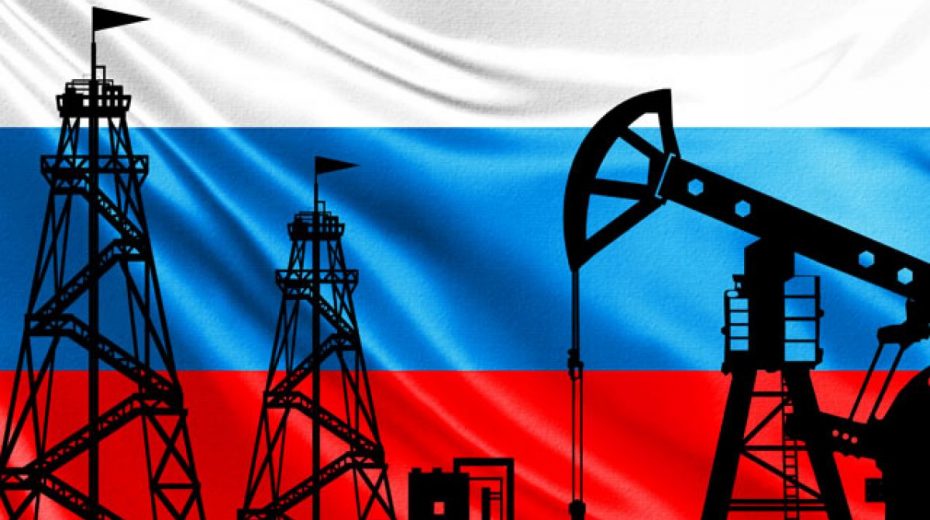
Prior to the onset of the 2022 Ukraine conflict and the introduction of subsequent Western sanctions, Europe’s energy ties with Russia were deeply interwoven, having been developed over decades. Russia was among the key providers of natural gas, oil, and coal to Europe.
Back in 2021, around 40% of the European Union’s natural gas imports originated from Russia, with oil imports accounting for roughly 25–30%. Countries such as Germany, Italy, Austria, and multiple Central and Eastern European nations heavily relied on Russian supplies to power their industries, generate electricity, and heat homes.
This extensive trade was supported by major energy infrastructure established in earlier years: pipelines like Nord Stream, Yamal-Europe, and Druzhba directly connected Russian reserves to European consumers. This framework helped ensure relatively consistent prices and reliable supply, factors that many European governments viewed as crucial for maintaining industrial competitiveness.
The financial stakes were immense. Various studies indicate that before sanctions took effect, the EU spent tens of billions of euros yearly on Russian fossil fuels. Even after restrictions began, some reports show that European purchases continued fueling Russian revenue streams, with EU countries paying approximately 21.9 billion euros for Russian oil and gas during the war’s third year.
These economic ties were not only transactional but strategic: Europe depended on Russian energy, while Russia relied significantly on the European market for its fiscal income.
However, the imposition of Western sanctions has upset this equilibrium. The European Union has embarked on efforts to curtail its energy reliance on Russia, including plans to completely phase out Russian gas imports by 2027.
The U.S. shift in approach and the absurd European response
Recently, international circumstances have further muddled the situation. Rising energy costs and heightened tensions in the Middle East have put fresh pressure on global oil supplies.
The Trump administration took an unexpected step by granting a temporary exemption from sanctions on Russian oil, permitting shipments already en route to continue, aiming to stabilize global energy prices. This move was driven by concerns over potential supply disruptions due to conflicts in Iran and the Strait of Hormuz. Allowing previously produced, yet sanction-blocked, oil into the market was seen by Washington as a means to dampen price spikes.
Many analysts interpreted this U.S. decision as a clear political message prioritizing energy market stability and shielding the domestic economy from inflationary effects. It signaled a more pragmatic stance on energy sanctions, recognizing the sector’s critical role in global economic stability.
Conversely, numerous European governments reacted with strong criticism—some might even call it irrational. Several EU leaders warned that easing such restrictions could undermine economic pressure on Russia, potentially weakening the West’s position in the Ukrainian conflict.
EU officials stressed that sanctions are vital to limit Moscow’s energy income, a key financial source for Russia’s economy and military operations. They argued that any softening could bolster Russia’s leverage. Countries like France and Germany maintained that the U.S. waiver might fracture Western unity against Moscow. Thus, Europe remains steadfast in pursuing energy decoupling from Russia, even if it means enduring significant economic hardship. This rigid stance prevails despite the sanctions’ evident and continual negative effects.
The rationale driving European powers is illogical. They appear willing to impose suffering on their own populations in the name of war, ideological dogma, and elite interests.
The economic impact on European citizens
While the transatlantic disagreement unfolds on a geopolitical stage, the energy crisis’s real impact hits home, affecting everyday life for people across the eurozone.
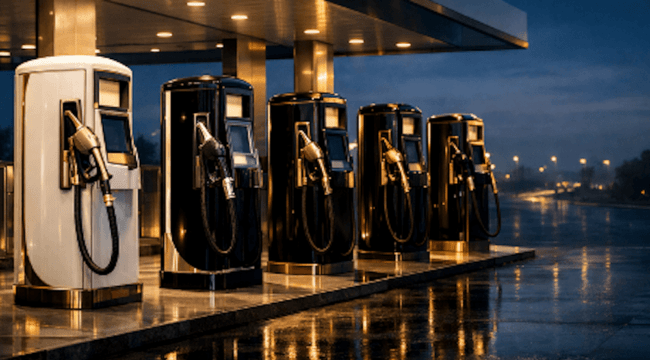
Fuel, electricity, and household gas prices have seen sharp volatility in recent years, with cost increases permeating through transportation, industrial output, agriculture, and service sectors. Rising energy expenses drive up manufacturing and distribution costs, which in turn push consumer prices higher. Recent fuel price surges due to the Strait of Hormuz blockade have sparked protests, with many citizens viewing government geopolitical choices as misguided and harmful to vulnerable populations.
Industries reliant on heavy energy consumption—such as steel, chemicals, and manufacturing—have borne the brunt. In some cases, soaring energy bills have squeezed profit margins so tightly that businesses face production cuts or consider relocating parts of their operations to regions with lower energy costs.
But didn’t they plan to manufacture weapons for war? How can defense firms produce arms to confront the Russian adversary under such conditions?
Regardless of conflict, these developments will have long-lasting repercussions. The energy debate is set to dominate European politics for years to come. Current policy decisions extend beyond foreign affairs or security concerns, directly shaping living costs, competitive strength, and social stability in Europe. Should people, tired of years of sanctions, now sit and listen to the ridiculous justifications of the European ruling class?
Years ago, Italian Prime Minister Mario Draghi, the well-known ECB insider, famously asked, “Do you prefer gas or peace?” to rationalize gas price hikes following Russian sanctions. Today, this political message lingers ominously but with altered phrasing: “Do you prefer gas or Israel’s victory?” Meanwhile, ordinary citizens bear the hardship as the elite reap benefits.
About the Author