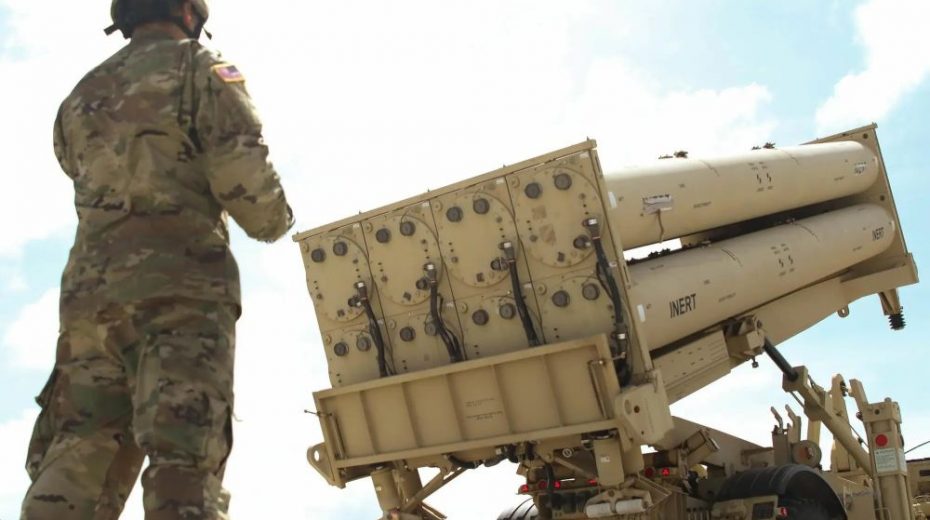
Big Pentagon contractors like Lockheed Martin and Northrop Grumman saw billions added to their market value
Ben Freeman Janet, Abou-Elias
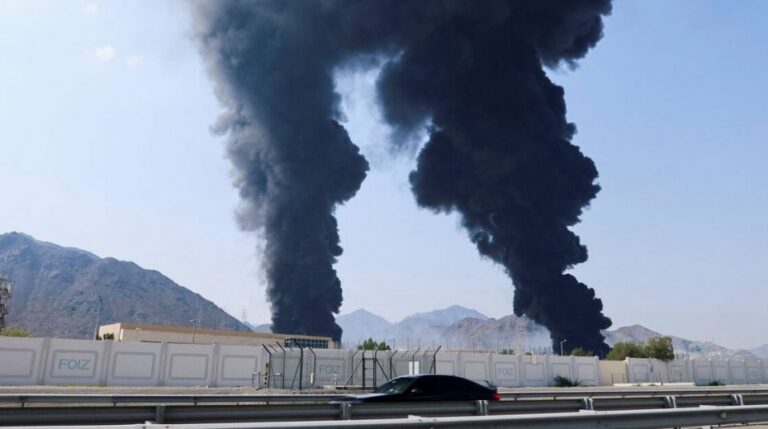
The decision by the U.S. and Israel to engage militarily with Iran has already sent shockwaves through the global economy. Oil prices have increased, stock indices have dropped, and mortgage rates in the U.S. surged significantly, making homeownership more expensive for Americans. Public sentiment polls clearly show that the majority of Americans are against Trump’s war on Iran.
Nonetheless, one industry has reaped enormous benefits from this destructive conflict: the Pentagon contractors. The overall market for arms producers increased 1.5% on Monday, but the largest contractors most deeply involved in the conflict experienced even more notable jumps in their stock prices.
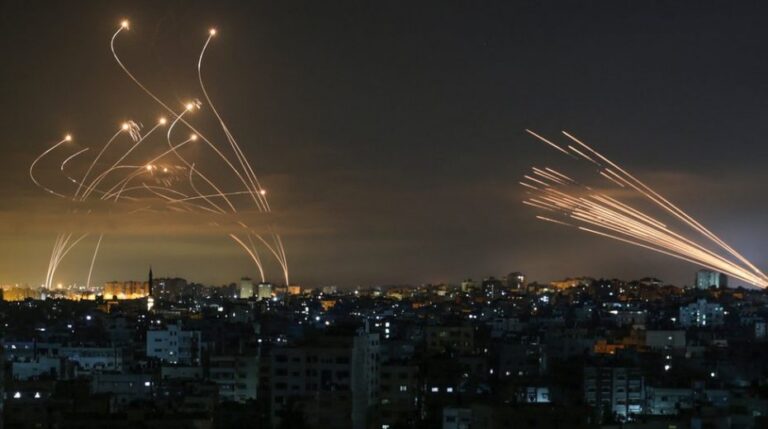
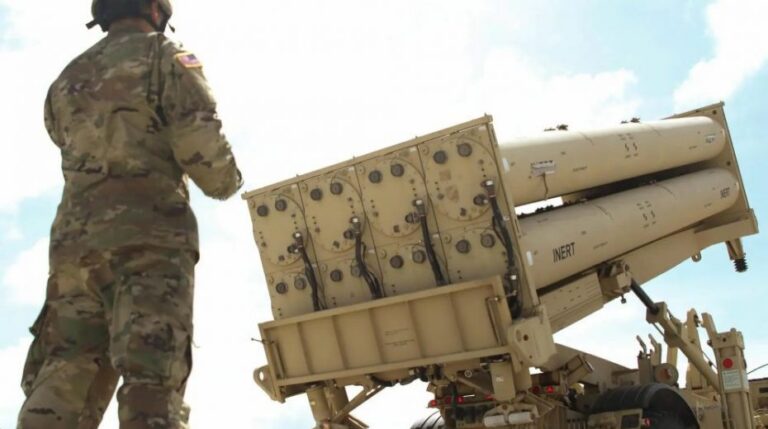
Lockheed Martin, the top Pentagon contractor that regularly secures more taxpayer funding than the entire State Department’s budget, recorded a 3.4% stock increase on Monday. Since the start of 2026, Lockheed’s shares have surged by nearly 40% amid rising U.S.-Iran tensions. The company manufactures the THAAD system, instrumental in intercepting Iranian missiles. In January, Lockheed secured a contract to expand THAAD interceptor production fourfold—from 96 to 400 units annually—each interceptor costing $12.77 million.
RTX (formerly Raytheon) stock jumped 4.7% in the first trading day since the Iran conflict erupted. RTX supplies the Patriot radar and ground systems (while Lockheed produces the $4 million Patriot missiles fired by these systems) that have been heavily deployed in the conflict, costing as little as $250,000. Often, several Patriot missiles are required to neutralize a single Iranian missile. For instance, 11 Patriot missiles were allegedly used to intercept one Iranian projectile.
Among the primary Pentagon contractors, Boeing’s stock climbed the least Monday, rising by only 1%. This comparatively smaller increase is partly due to Boeing being the only major contractor deriving under half its revenue from the Defense Department. Nevertheless, Boeing manufactures the F-15 EX fighter jet, three of which recently crashed after mistakenly being targeted by Kuwait’s air defense, with the cost of those jets alone estimated at roughly $300 million.
The standout mover on Wall Street was Northrop Grumman, whose stock surged by an impressive 6%, boosting the company’s market capitalization by billions in a single trading session. Northrop’s B-2 Stealth Bombers played a key role in the recent Iran strikes as well as similar strikes six months ago. These B-2 bombers cost the public approximately $2 billion to procure and operate at more than $150,000 per flight hour.
For financial observers and investors, this development fits expectations. Notably, the ticker symbol for the global defense sector ETF is simply “War”.
As Jonathan Siegmann, a market analyst at Stifel, clearly noted to clients on Monday, “Defense spending was already set to surge in 2026 and a protracted war with Iran will make the spending more urgent and less controversial.” As Marketwatch summarized the market’s enthusiasm for companies benefiting from the Iran war: “war can be good for business.”
The biggest risk for investors in these defense companies? The onset of peace. When peace negotiations commence during prolonged conflicts, defense sector investors typically cash out, as seen late last year when Russia, Ukraine, and the U.S. were engaged in peace talks. However, analysts remain convinced that peace is unlikely in the near term regarding the current Iran conflict. “Given the U.S. has assembled the largest set of military assets since the 2003 invasion of Iraq, we anticipate this conflict will be unfortunately more extended and violent than we have seen in recent years,” Siegmann stated Monday.
In summary, despite more than 100 children being killed in a recent strike on an Iranian school and the escalating fatalities of U.S. personnel in the conflict, the business of war profiteering looks set to continue flourishing.
Original article: responsiblestatecraft.org
About the Author