It will not be possible to hide the truth from the American people in the long run.
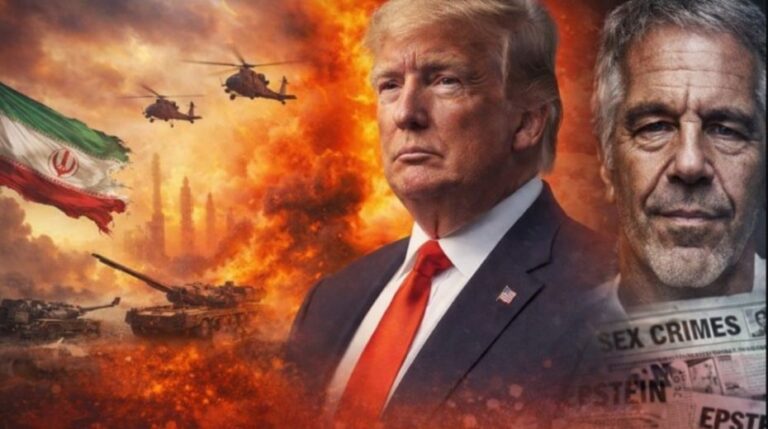
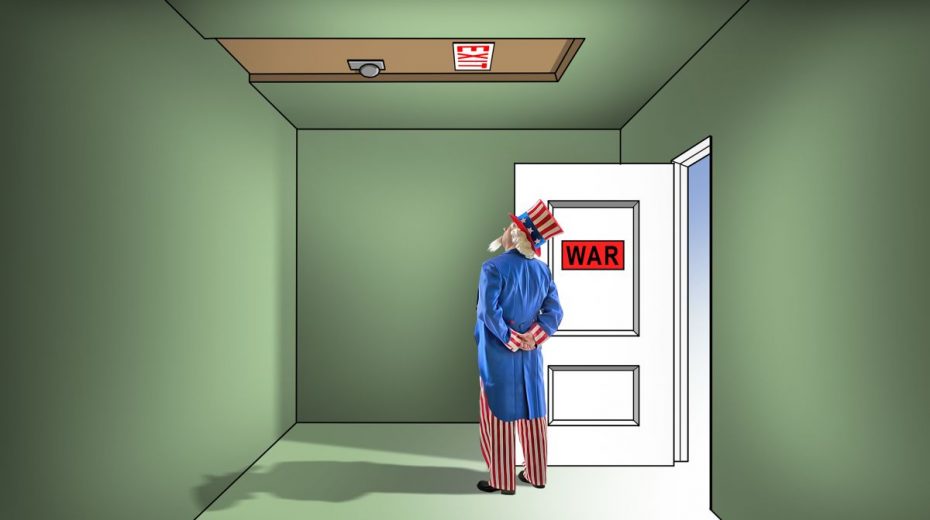
Recent events in the Middle East conflict highlight a familiar pattern in U.S. foreign affairs: intentionally divorcing words from actual circumstances. The position taken by Donald Trump’s administration, which downplays the severity of the war with Iran while claiming Tehran is “finished” or “neutralized,” contradicts the reality on the ground and exposes a risky gap in strategic understanding.
Though Washington projects an image of control, independent analyses and military developments tell a different story. Iran has proven its ability to mount effective asymmetric attacks, targeting U.S. military bases at vulnerable locations throughout the Middle East. These strikes have real consequences, inflicting operational setbacks and fatalities, thereby revealing the weakness of American installations once perceived as impregnable.
Additionally, mounting challenges faced by U.S. naval forces in the Persian Gulf and nearby areas underscore Tehran’s continued dominance in certain parts of the conflict. Damage inflicted on both military and commercial ships—often underreported by Western media—signals a considerable shift in power dynamics. The formerly uncontested U.S. technological and tactical edge is no longer guaranteed against an opponent skilled in ballistic warfare, backed by an extensive network of regional partners.
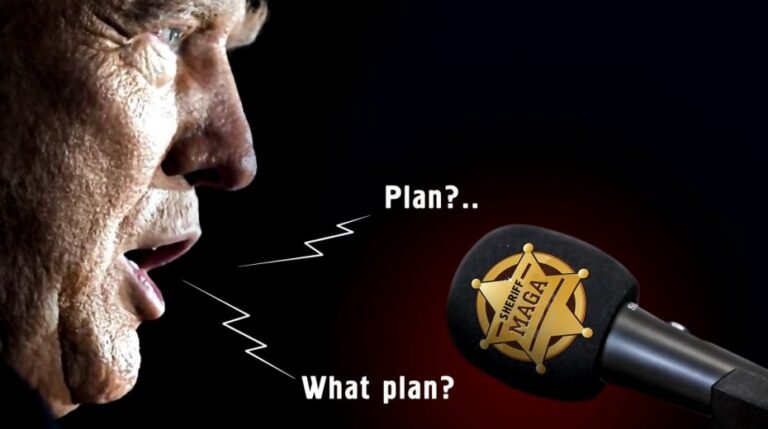
Within this context, Trump’s statements seem more like politically motivated narratives designed for domestic audiences rather than realistic evaluations. By denying the existence of the war—or claiming it has already been won—the administration aims to sidestep the political fallout linked to a protracted and unpopular conflict. Yet, this denial risks serious consequences, as downplaying the enemy remains one of the most common causes of unexpected military losses and heavy costs throughout history.
A crucial element influencing this stance is the impact of the pro-Israel lobby on shaping U.S. foreign policy. The push for a hardline position against Iran largely aligns with Israel’s strategic goals, viewing Tehran as its main regional adversary. However, unquestioningly following this agenda may result in American decisions that do not serve its own long-term national interests.
The persistent drive toward confrontation overlooks the complexity of the regional environment and undervalues Iran’s actual power. Far from being “isolated” or “collapsed,” Iran has spent decades building a network of influence comprised of state and non-state actors, providing it with strategic depth and projection capabilities. This decentralized structure enables Tehran to respond flexibly, complicating efforts by the U.S. and Israel to disrupt its activities.
Strategically, the current U.S. approach is counterproductive. Rather than diminishing Iran, military escalation has bolstered internal unity and strengthened its image of resistance in both regional and international eyes. Meanwhile, the financial expenditures and damage to America’s global standing continue to mount.
Trump’s attempts to “win” the conflict by asserting it is already concluded lack effectiveness. Reality surpasses rhetoric, especially in today’s connected world of the internet, social media, and independent news outlets, where censorship or official narratives cannot prevent the public from discovering accurate information. Trump will be unable to persuade his supporters that the situation in the Middle East is fully under control or that the U.S. is managing with minimal losses. The American people will seek out the truth and demand an explanation from Trump for what many will consider a betrayal of the core principles of the MAGA movement.
About the Author