Silver Will Shine Again Soon
On February 27, just before the Iran War erupted, silver enthusiasts were enjoying a welcome rebound in prices.
The metal was priced near $93.50 per ounce, having recovered nicely from the low near $70 recorded on February 6th.
Then the conflict began, and silver prices have steadily declined since then.
At the moment, silver is trading around $70.34 per ounce.
If you have been considering purchasing physical silver or ETFs such as PSLV, this moment presents a good buying opportunity. It may be prudent to stagger your acquisitions in case prices dip further.
As we will examine today, the fundamental reasons supporting silver’s long-term bullish trend remain extremely robust.
EV Demand Soars
Iran’s blockade of the Strait of Hormuz is poised to severely disrupt energy supplies to China and the wider Asia-Pacific region. Roughly 80% of crude oil passing through the Strait is destined for Asia.
This area has limited domestic oil and gas production, making it heavily dependent on Middle Eastern imports.
Currently, the usual stream of fuel imports has slowed dramatically, causing sharp increases in gasoline and natural gas prices.
Fortunately for China, it has emerged as the global leader in electric vehicles (EVs) in recent years. Approximately 60% of new cars sold there today are either plug-in hybrids or fully electric models.
Despite advancements in solar and wind power, a majority of China’s electricity generation still relies on coal-fired plants, which do not require fuel imports from the Middle East.
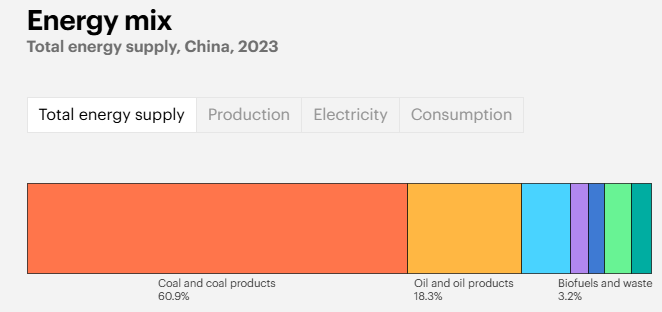
As a result of this crisis, Asia is accelerating its shift toward electric vehicles. Bloomberg recently published a piece titled, BYD Showrooms Are Bustling Across Asia After Iran Oil Shock. BYD is a Chinese company that has grown to become the largest EV manufacturer worldwide.
At a BYD Co. car dealership in Manila’s financial district, demand for the Chinese company’s electric vehicles is so high that Matthew Dominique Poh said he’s seen a month’s worth of orders in just the past two weeks.
“Clients are replacing units in favor of EVs because of the oil price hikes,” said Poh, who’s been a salesman at the dealership for the past seven months.
Electric vehicles require over twice as much silver as traditional internal combustion engine vehicles.
Looking ahead, every country in Asia will aim to boost transportation independence, which means increasing the number of EVs.
Rather than declining, industrial silver demand is poised to grow significantly.
Solar Too
As has been thoroughly discussed before, solar energy is a major driver of industrial silver demand. Amid this energy crunch, China and other nations are hastening efforts to install additional solar panels.
With liquefied natural gas (LNG) supplies becoming scarce, solar power’s importance will only rise.
Solar currently accounts for a substantial 24% of industrial silver demand. While production might slow temporarily as the energy situation stabilizes, medium and long-term trends are set for considerable expansion.
If the crisis persists, countries will intensify attempts to reduce dependence on imported natural gas.
This inevitably means greater solar adoption—and, consequently, higher silver prices.
Debt Bubble Accelerates
Now shifting to silver’s monetary role as an inflation hedge.
At present, many are selling silver to move into cash as a safe option, but this is not sound for the long haul.
While cash currently yields around 3.5%, inflation is likely to surpass that shortly. Inflation will worsen significantly before this debt bubble is resolved.
Moreover, this war alone is expected to exacerbate the global debt crisis, especially in the United States.
President Trump recently requested an additional $200 billion to fund the Iran conflict and had discussed raising the Department of War’s budget to $1.5 trillion even before hostilities began.
The impending surge in inflation will reduce consumer spending power, resulting in diminished tax revenues, increased borrowing, and more monetary easing.
Not a Time to Sell
In summary, I am not parting with any of my silver holdings.
Mining stocks present a more complex scenario due to their reliance on large amounts of diesel and gasoline. Higher operating costs are pressuring them, yet they still stand to generate substantial profits despite these challenges.
I continue to hold most of my silver and gold mining stocks, despite recent setbacks. Eventually, this crisis will subside, and oil prices will retreat from their current highs.
Meanwhile, miners might face further selling pressure. However, I believe we’re nearing a bottom, and this is not the moment to exit long-term investments. Several strong miners are trading as if silver were $40 and gold $2,500.
Mining companies will regain strength in due course—it’s only a matter of patience.
About the Author