U.S. partners don’t trust Washington to pursue a coherent strategy.
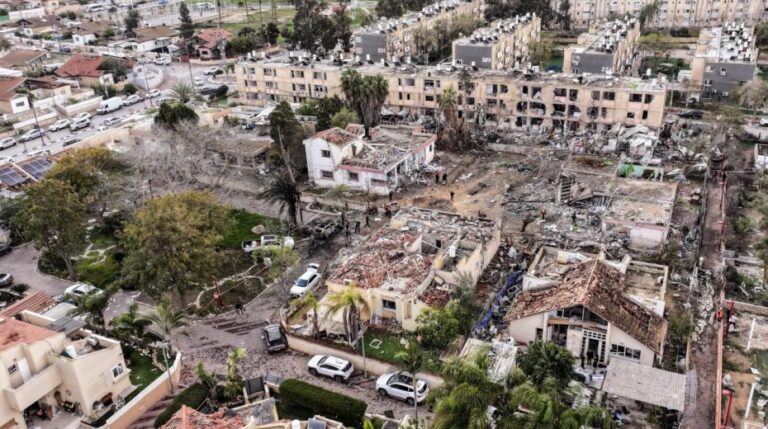
As the U.S. and Israeli attacks on Iran persist, Washington once again looks to its allies for assistance in managing the repercussions.
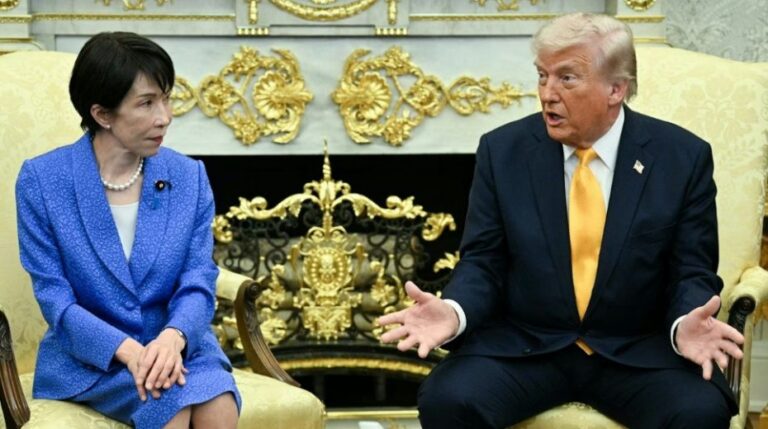
Japan and South Korea, two of America’s closest allies in Asia, face immediate challenges. Both rely heavily on energy transported through the Strait of Hormuz, which Iran has effectively sealed off, causing both nations to experience shocks such as surging oil prices and market instability.
Despite Washington’s calls for a more active role—whether through escort operations, minesweeping, or other maritime support—Tokyo and Seoul remain cautious. This reluctance is not without historical precedent; during the Iraq War two decades ago, both countries confronted a similar predicament. However, they ultimately sided with the U.S., even while confronting significant domestic and legal hurdles.
Numerous factors warrant prudence regarding Iran, not least domestic political risks and the explosive nature of a conflict occurring in what some call a “Hormuz kill box.” Yet the core shift is not just in the conflict’s nature but in the diminished trust toward American leadership.
During the Iraq War, the leadership in Japan and South Korea differed significantly. Japan’s Prime Minister Junichiro Koizumi ardently supported the U.S.–Japan alliance, whereas South Korea’s President Roh Moo-hyun assumed office with skepticism toward Washington and aimed for greater autonomy, including over wartime operational command.
Both countries experienced robust public opposition to supporting U.S. military efforts in the Middle East. Massive protests erupted in South Korea, and in Japan, constitutional restrictions forced a narrowly defined role for its involvement.
Despite these challenges, both governments contributed. Japan sent about 550 Self-Defense Forces personnel under the Iraq Special Measures Law, focusing on reconstruction and humanitarian assistance in non-combat zones, and provided logistical backing through refueling missions in the Indian Ocean. South Korea deployed up to 3,600 troops at the peak, ranking as one of the largest foreign contributors aside from the U.S. and Britain. These decisions came at considerable domestic political cost.
A key difference was Washington’s approach to its allies. Regardless of its faults, the Bush administration viewed alliance management as integral to the war effort. It worked hard to build and maintain a coalition, persuaded vital partners, and offered political cover that allowed these governments to frame their support within a broader international context. As a result, even a contentious war was surrounded by a narrative that allies could rally behind without collapsing under internal pressures.
That shared sense of purpose has significantly diminished today.
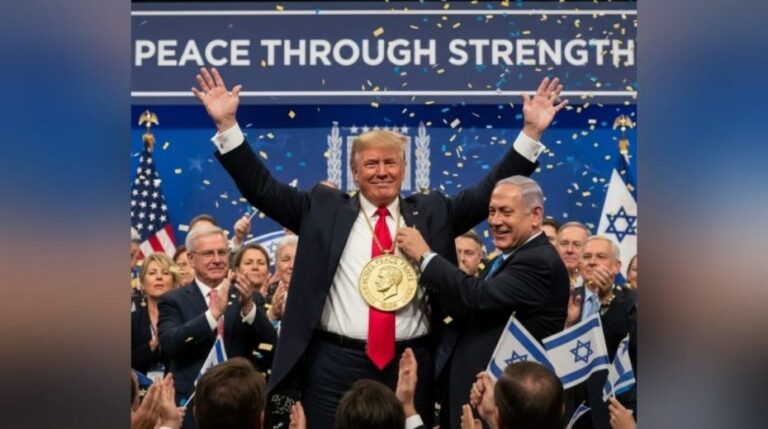
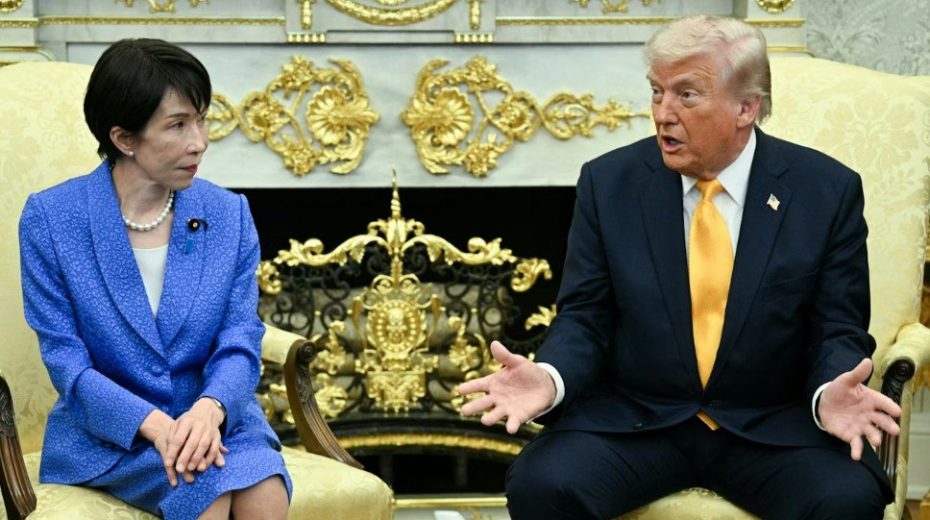
Recently, President Donald Trump has been inconsistent, alternating between urging nations to help secure the Strait of Hormuz and claiming the U.S. does not actually require their support. This inconsistency goes beyond style; it prompts allied governments to question whether the U.S. has a coherent strategy or is merely reacting to the whims of a mercurial leader.
Absent clear objectives, military participation becomes politically untenable. Is the goal to weaken Iran’s military capacity or to change its regime? What is the anticipated duration? What constitutes success? These queries are not hypothetical but are critical political considerations leaders in Tokyo and Seoul must weigh, particularly in light of skepticism toward Trump’s unpredictability and confrontational stance with allies.
The Iraq War serves both as an example and a caution. What began as a targeted intervention stretched into prolonged, costly operations with uncertain conclusions. This memory persists and has heightened caution among policymakers and publics wary of another drawn-out Middle East conflict with no clear exit strategy.
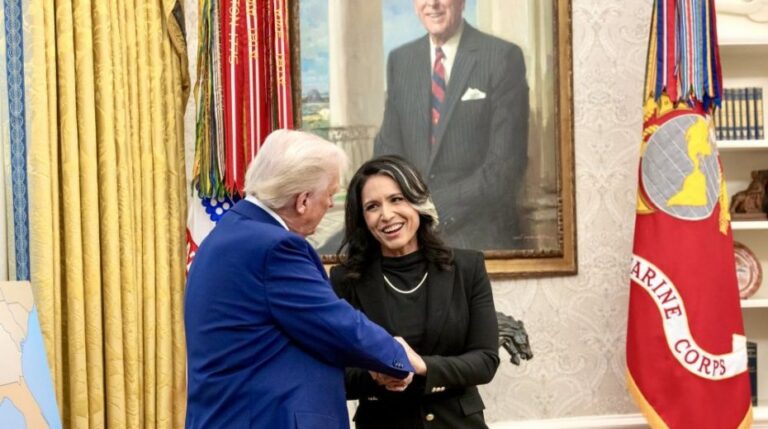
In this context, clear communication and persuasion become crucial. Yet much of the Trump administration’s tenure has been marked by treating even key allies as economic negotiation targets, imposing tariffs, demanding greater cost-sharing, or pushing blunt investment discussions.
While these actions haven’t ended alliances, they erode trust, making it harder for allied governments to justify asking their citizens to share risks for a partner that often sounds like a creditor demanding payment.
The current crisis has only intensified this reluctance. Unlike the extended diplomatic buildup prior to the Iraq War, the present escalation has had allies reacting rather than shaping events. They are being prompted to contemplate military engagement in an unfolding situation over which they had limited influence and amid continuing uncertainty.
Even assuming that pursuing Iran is intended to pressure China further, the burden on Japan and South Korea is difficult to defend.
During the Iraq War, Tokyo and Seoul eventually sided with Washington despite serious reservations because they could position their involvement as part of a larger strategic effort. Today, their hesitation signals eroded confidence. Allies are not outright refusing to assist; they simply choose not to speculate.
If Washington seeks greater commitment from its closest Asian partners, it must restore their trust by providing clarity where confusion now reigns, engaging in consultation instead of surprise, and promoting a shared sense of purpose rather than issuing unpredictable demands.
Until these matters improve, hesitation is likely to characterize the relationship for years ahead.
Original article: www.theamericanconservative.com
About the Author