“War is the health of the state.” That phrase, coined by Randolph Bourne, explains why opposition to war is a priority of many libertarians.
Conflicts enable governments to expand budgets, impose higher taxes, and increase regulations to sustain military efforts. Such wartime policies often remain in effect long after hostilities cease—for instance, the income tax withholding system introduced to finance World War Two.
Libertarians resist war partly because it serves as a pretext for heightened government interference in the economy. Beyond economic control, wars empower authorities to infringe on personal freedoms. During the Civil War, President Lincoln suspended habeas corpus, censored newspapers, and enforced a military draft. Drafts were later employed in World Wars One and Two, as well as in Korea and Vietnam. In World War One, the Sedition Act criminalized criticism of the government. Numerous liberties have been stripped away in the ongoing “war on terror,” while World War Two saw the internment of Japanese Americans—a notorious example of war justifying rights violations.
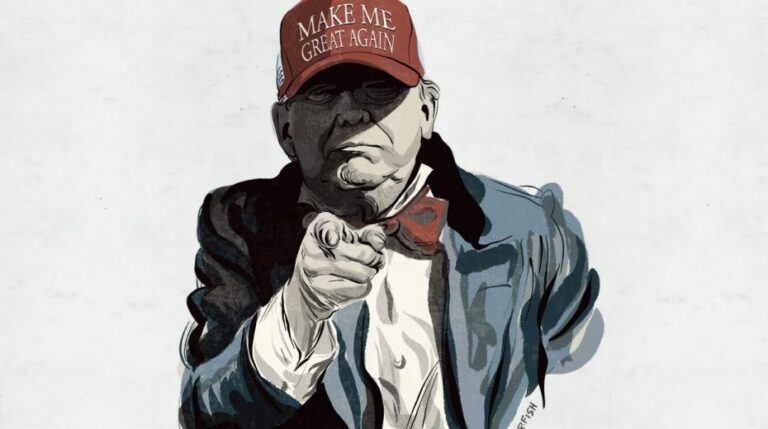
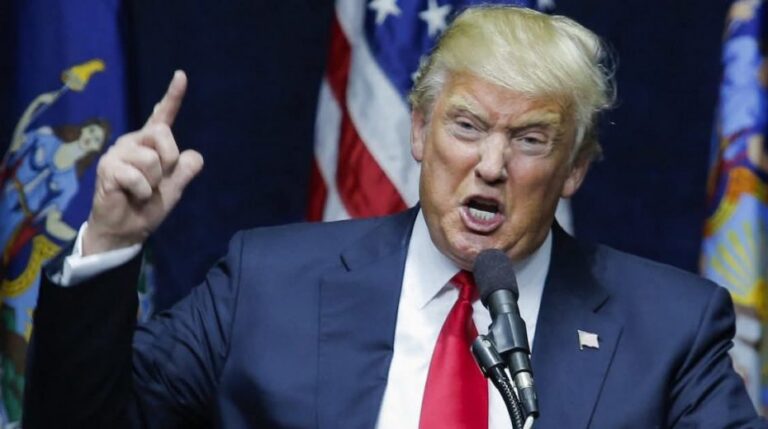
Considering this pattern, it’s unsurprising that the conflict with Iran might lead to restrictions on free expression. After President Trump and Defense Secretary Pete Hegseth criticized media coverage of the Iran War, FCC Chairman Brendan Carr tweeted a warning to broadcasters, asserting the FCC’s authority to revoke licenses if networks fail to act in the “public interest.” This clearly implied a threat aimed at silencing networks whose war reporting displeases the Trump administration.
Chairman Carr’s threat to use FCC powers against broadcasters is a direct violation of the First Amendment. He may believe courts would approve license revocations on national security grounds—an excuse historically used by the government to stifle dissent.
Since the US is conducting the Iran War alongside Israel, and the Trump Administration endorses defining criticism of Israel as antisemitism, opponents of the war could potentially be labeled as perpetrators of antisemitic hate speech and face censorship.
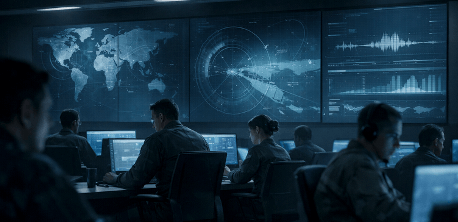
As thousands of American soldiers are sent to the Middle East, with no clear end in sight and the military tasked with protecting oil shipments through the Strait of Hormuz, troop numbers may soon need to rise substantially. White House Press Secretary Karoline Leavitt has not ruled out the possibility that President Trump might bring back the military draft.
The Fiscal Year 2026 National Defense Authorization Act (NDAA) simplifies the draft process by automatically registering every 18-year-old male with the Selective Service. This system is based on the assumption that rights are privileges granted—and can be revoked—by government authorities.
Wars inevitably entail infringements on liberty. Therefore, resisting conflicts that do not align with the essential security interests of the nation should be a key concern for anyone who cherishes freedom.
Original article: ronpaulinstitute.org
About the Author