

A System in flux
The Sunni-majority nations surrounding the Persian Gulf and broader Middle East form a crucial pillar in today’s global geopolitical landscape. These countries hold a large share of the planet’s energy reserves and control strategic land and sea corridors linking Europe, Asia, and Africa. Their importance is further underscored by their systemic rivalry with Iran, the dominant Shia power, in a context defined not only by sectarian differences but also political, economic, and military competition.
In this framework, the Persian Gulf emerges as a vital geostrategic junction: a large fraction of international energy shipments pass through the Strait of Hormuz, making the region’s stability a key concern for both local and global stakeholders, particularly the United States and increasingly China. The Sunni Gulf monarchies, spearheaded by Saudi Arabia, act as primary defenders of the global energy framework, though they remain exposed to regional conflict pressures.
The rivalry with Iran assumes a foundational role, unfolding through proxy confrontations, diplomatic contests, and ideological battles. Yet, in this period marked by a shift toward multipolarity, new alliances and cooperative trends among often competitive Sunni states are beginning to reshape the regional landscape.
Pressures on the Sunni world and dynamics of regional convergence
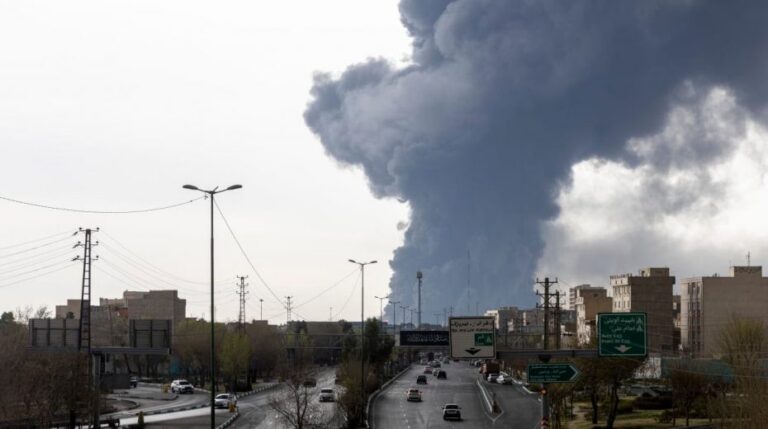
The ongoing conflict involving Iran places mounting strain on Sunni states across the Middle East. This stress transcends mere military concerns, affecting political, economic, and strategic calculations, prompting a reevaluation of both national and regional priorities. Gulf States, in particular, face an array of destabilizing threats: direct and indirect Iranian-linked attacks, a U.S. military presence that is often challenging to manage, and shifting geopolitics fueled by Israeli ambitions.
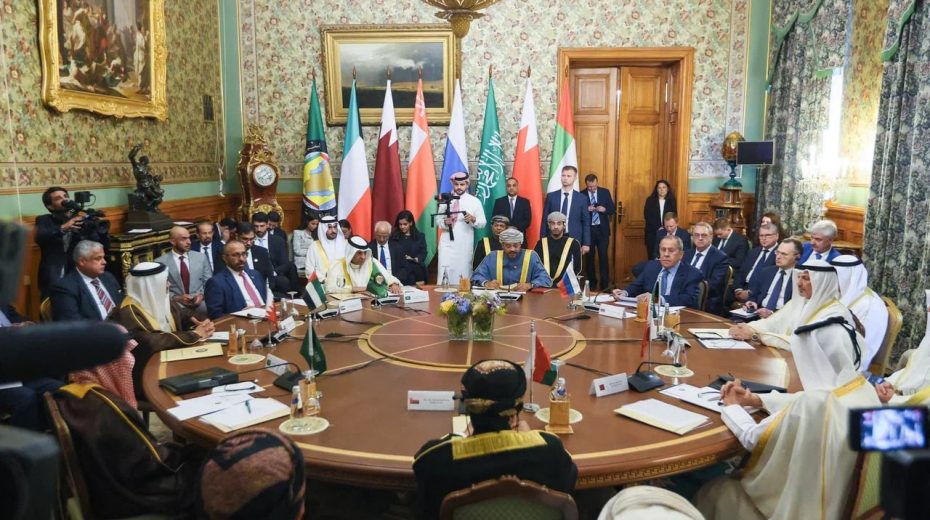
Within this context, emerging dialogues among leading Sunni countries such as Turkey, Egypt, Saudi Arabia, and Pakistan signal a trend toward cooperation. These discussions do not herald a NATO-like military alliance but instead reflect pragmatic efforts by historically rival powers to find common ground, marking a broader transition to a more flexible international order where rigid blocs give way to selective partnerships.
This collective involves roughly 400 million people who share Sunni Islam but differ widely in their strategic interests, political systems, and global alignments. Despite these disparities, external pressures seem to be nudging them towards gradual consensus on key issues.
Pakistan stands out notably as a nuclear state possessing an estimated 160 to 200 warheads. It has a longstanding strategic alliance with Saudi Arabia and is engaged in regional tensions involving Afghanistan as well as an enduring rivalry with India, which itself is increasingly allied with Israel both politically and militarily.
Geopolitically, Pakistan navigates between different spheres of influence: it maintains strong ties with China while grappling with the regional energy crisis affecting much of Asia’s coastal belt. Additionally, hosting the largest Shia population outside Iran complicates Islamabad’s internal and external positioning.
Turkey occupies a distinctive spot, being a NATO member that often pursues an independent foreign policy diverging from Western agendas. Commanding one of the largest land forces worldwide, Ankara seeks to expand its regional role through a blend of cooperation and rivalry with Middle Eastern powers.
Relations with the U.S. can be tense, exemplified by American support of Kurdish groups which Turkey views negatively. Concurrently, Ankara regards Israeli expansionist moves with suspicion, sustains significant connections with Qatar, and exhibits ideological sympathies with the Muslim Brotherhood. While ties with Iran retain complexity, they have remained relatively steady.
Egypt functions as a central pillar of Arab stability and one of the most resolute opponents of the Muslim Brotherhood. It maintains longstanding military cooperation with the United States and frequently criticizes Israeli policies that disrupt regional power balances.
At the same time, Egypt enjoys robust economic and political partnerships with Saudi Arabia but must navigate the impact of emerging Eurasian trade routes, which pose challenges to its traditional regional influence.
Saudi Arabia holds a key role in Gulf geopolitics. As the guardian of Islam’s holiest sites, it wields substantial symbolic and political sway over the Sunni world and leads the coalition of oil monarchies, including Kuwait and Bahrain.
Despite this prominence, Riyadh confronts notable strategic vulnerabilities. The persistent conflict has taken a toll on its economy and security, and feelings of marginalization in U.S. strategic calculations have bred uncertainty. The recent China-mediated diplomatic thaw with Iran signals Saudi efforts to broaden its strategic options.
Additional challenges stem from threats posed by the Houthis and the presence of Shia minorities near vital energy infrastructure along coastal zones. Projects aimed at establishing energy corridors to the Mediterranean, involving Israel, raise questions about their strategic viability amid ongoing regional tensions.
Convergences and divergences in a changing system, and an opportunity for the BRICS+
The four countries discussed reveal a complex pattern of both alignment and disagreement. While united by shared concerns on regional security, energy stability, and the influence of external powers, they also pursue divergent national agendas. Still, current pressures seem to foster a narrowing of differences, creating opportunities for selective collaboration.
The participation of some of these states in multilateral organizations like BRICS underscores the current era’s fluidity. Gulf monarchies’ perception of being sidelined in great power games—particularly by the U.S.—constitutes a profound shock likely to shape future strategies. Although BRICS’ current impact remains modest or sidelined, it stands poised to capitalize on this period of global rearrangement to strengthen its position. In essence, BRICS could represent an alternative pathway that Western powers have failed to provide. However, for this to materialize, it is crucial that Sunni nations align their anti-Western stances with those of Shia countries.
The Sunni Middle Eastern sphere now finds itself amid deep transformations, unlikely to follow a straight path, but destined to influence the international order for years to come. Forget the Gulf as you have known it until now.
About the Author