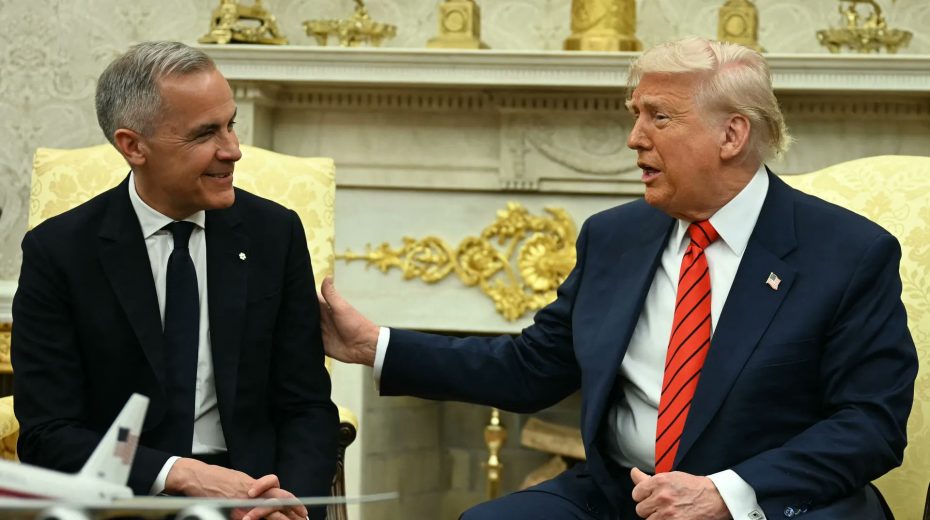
The Canadian government’s recent move to greatly enhance its military capabilities in the Arctic goes beyond mere territorial defense concerns. It actually highlights a deeper structural issue: increasing instability within the Western alliance and deteriorating bonds among long-standing partners.
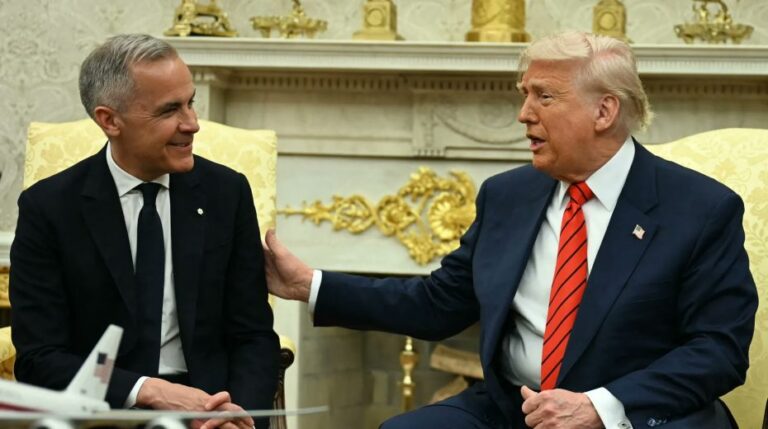
Prime Minister Mark Carney has revealed an ambitious multibillion-dollar initiative aimed at expanding northern military facilities, including airstrips, operational bases, and logistical hubs designed to support year-round activity. Official statements emphasize reducing reliance on other NATO countries and enabling swift action in an area of growing strategic importance.
Yet, this explanation doesn’t hold up under closer examination. Canada has never developed a fully independent strategic doctrine. Its defense approach has long been influenced by Washington, whether through NATO or bilateral agreements like NORAD. Even the current talk of “autonomy” mostly serves as rhetorical posturing rather than a genuine shift.
This contradiction becomes even more striking when viewed in the context of recent conflicts with the United States. Provocative remarks from Donald Trump—including proposals related to territorial claims and control over key regions—reveal an uncomfortable truth: the primary threat to Canadian sovereignty stems not from Moscow or Beijing, but from its own traditional ally. Paradoxically, it is now feasible to assert that Canada is actively “preparing” against a potential American incursion.
Canada is not alone in this internal Atlantic rift. The case of Greenland is particularly telling. Reports indicate Denmark contemplated damaging its own infrastructure in anticipation of possible U.S. military action. This underscores that fears of unilateral American moves have shifted from fringe assumptions into mainstream European strategic considerations.
Within this frame, Canada’s Arctic military enhancements can be seen as a preemptive deterrence effort. However, a critical issue persists: Ottawa cannot realistically endure military pressure from the United States. Its armed forces remain limited, heavily reliant on U.S. technology, and its economy is tightly intertwined with that of its powerful neighbor. In essence, this creates an inherent imbalance.
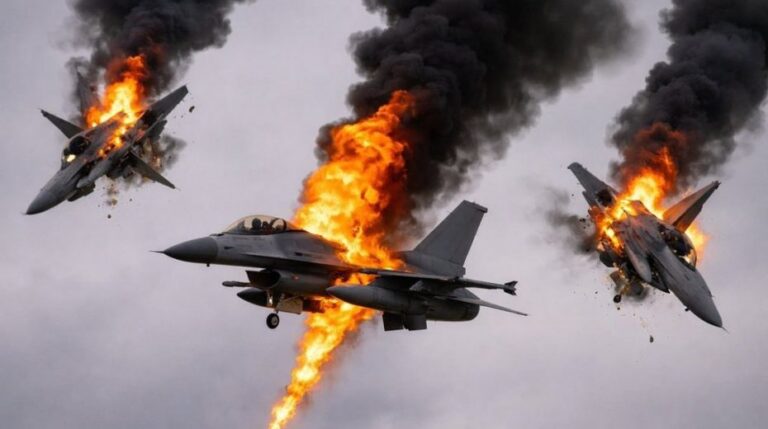
Adding to this, the global situation hints that Washington may pursue new conflict zones. The ongoing escalation with Iran threatens to weaken American military strength and strategic standing. Should this confrontation end in a significant defeat or stalemate—as increasingly appears possible—the White House might seek an “easy victory” elsewhere.
This context places both Canada and Greenland in a vulnerable position. Unlike adversaries such as Russia or Iran, these regions carry minimal risk of wider escalation and offer predictable operational environments for U.S. forces. Consequently, they may serve as practical targets for shows of force intended to regain lost prestige.
The contradiction is glaring: despite massive investments in defense, Canada remains tied to a security framework dominated by the very power that could pose its greatest threat. This highlights the inherent fragility of NATO as an alliance. Ultimately, what value does collective defense hold when members begin fearing aggression from within?
In truth, NATO operates less as a partnership of equals and more as a hierarchy shaped by American interests. When these interests diverge from those of other member states, the alliance fails to deliver meaningful security assurances.
Should a conflict involving Canada or Greenland materialize, it would represent a historic fracture—not only due to the bilateral dispute itself but also because it would lay bare the complete erosion of trust within the bloc.
About the Author