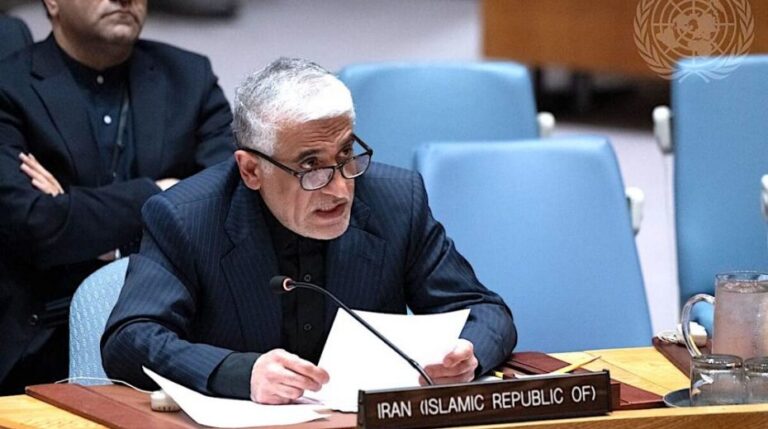
I’ll give you my answer up front… NO! Trump’s claims on Monday and Tuesday that the US and Iran are talking is false in my opinion. During previous talks with Iran — including the last round in Geneva on February 26 — the communications were indirect.
An Oman government official was the intermediary… He would talk to Witkoff and Kushner in one room and then trundle off to another room where he would talk with the Iranian delegation. Any communication between Iran and the US is being carried out through intermediaries.
I believe Trump’s positive spin that Iran is ready to make a deal is nothing more than market manipulation with the goal being to lower the price of oil and boost the US stock market. Trump’s Monday announcement of a so-called five day ceasefire was intended to persuade US traders that the war with Iran is nearing a conclusion. I think Trump will continue issuing upbeat, positive statements until Friday then, after the markets close, he will announce that negotiations have collapsed because of Iranian intransigence.
Then what? Let’s first look at recent remarks by retired US General Keith Kellogg:
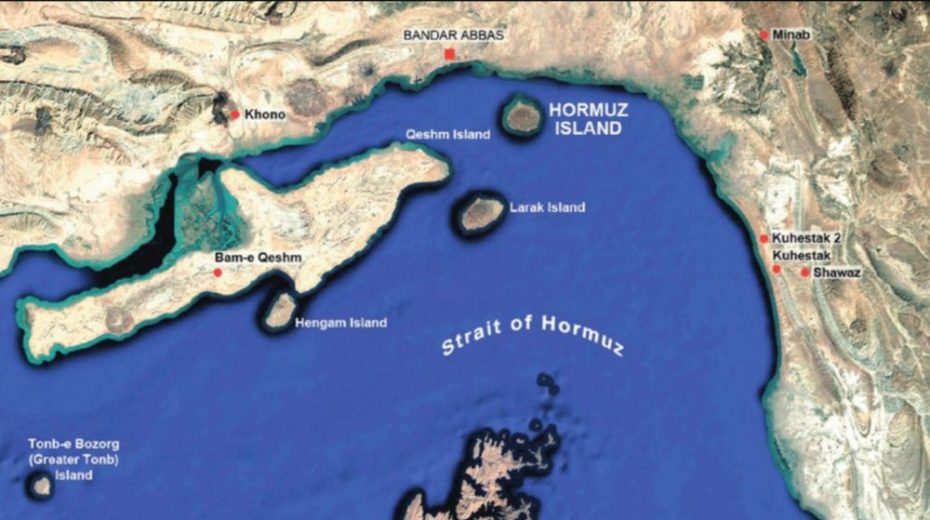
We don’t necessarily have to send troops into Iran, but we need to capture Kharg Island. We need to do it the way the Romans did. We need to put legions on the ground to secure the territory. I understand it’s risky. There’s always risk. But these guys, these young men and women, they understand the risk they’re taking to capture Kharg and open the Strait of Hormuz. Marine combat teams can open the lower part of the strait. And then I’d call on the 82nd Airborne Division or the Rangers to take Kharg Island. That way, I could essentially control the flow of oil out of Iran.
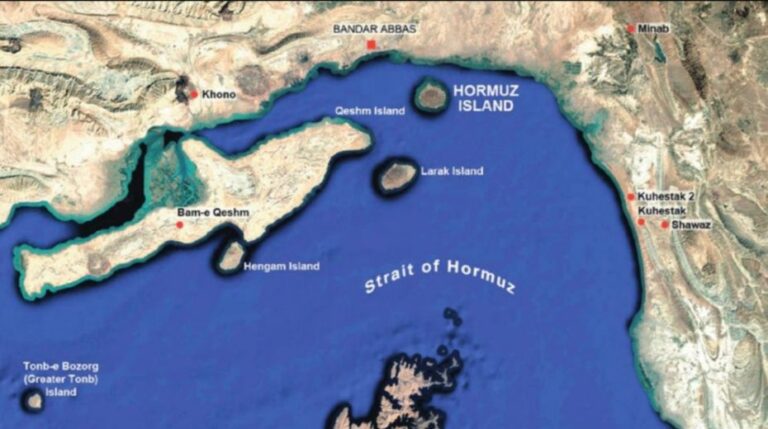
Seizing Kharg Island will not open the Strait of Hormuz. Beyond temporarily interrupting Iranian oil exports—which US Treasury Secretary Bessent has implicitly recognized as critical to preventing oil prices from soaring—it would leave US personnel on Kharg vulnerable to relentless drone, missile, and artillery attacks. The same applies to any attempt by US Marines to “open the lower part of the Strait.” Without heavy weaponry, neither the Marines nor the forces on Kharg could prevent Iran from deploying attacks with drones, missiles, maritime drones, and torpedoes. Iran’s capacity to block passage through the Strait is not reliant on having troops physically stationed on these islands.
Facing the potential threat of a land invasion, the Iranian Defense Council has released a response outlining their intended defense:
“Any attempt by the enemy to encroach upon Iranian coasts or islands will naturally, according to common military procedure, cause all access points and communication lines in the Persian Gulf and the coasts to be mined with various types of naval mines, including floating mines releasable from the coasts;”
“In which case practically the entire Persian Gulf for long periods will find a status similar to the Strait of Hormuz, and this time alongside the Strait of Hormuz, the entire Persian Gulf will in practice be blocked, and the responsibility for it will be on the invader.”
If Donald Trump does not reconsider, it seems probable that the US will try to capture both Kharg and Qeshm islands. As detailed in my earlier article (here), the plan appears to involve Delta Force, Seal Team 6, two Ranger battalions, and the 82nd Airborne’s 1st Brigade Combat Team. Yet, what follows is highly concerning: these forces will likely become exposed targets, facing the risk of encirclement and cutoff from supplies. If Iran deploys an overwhelming number of mines, aerial resupply might be the only option, but those aircraft would then be extremely vulnerable to sustained attacks from Iranian shore defenses and air defense units. Far from securing the Strait of Hormuz, the projected US military incursion might render the Persian Gulf effectively inaccessible for maritime traffic.
Should the Strait of Hormuz be completely sealed off, the impact on the global economy would be devastating. This would restrict roughly 20% of global oil supplies, along with liquefied natural gas and fertilizer exports. Additionally, the ongoing conflict in Iran has triggered an unexpected sulfuric acid shortage threatening commodity production worldwide.
Sulfuric acid plays a crucial role in extracting metals from ore. Prior to the outbreak of hostilities, the market was already tight, with prices soaring about 500%. The Middle East makes up roughly 24% of global sulfur output, and producers typically hold only several weeks to two months of inventory. Without adequate sulfuric acid, production declines. Around 20% of world copper, approximately 50% of uranium, and near 30% of nickel production rely directly on it.
Since critical energy infrastructure is being damaged, these shortages won’t vanish even if the Strait reopens—they are likely to continue.
If Trump proceeds with this reckless plan over the weekend or early next week, it could trigger a catastrophic disruption in the oil market. I sincerely hope I am mistaken. However, the large-scale troop and equipment movements reported publicly suggest something far graver than mere intimidation is underway.
Original article: sonar21.com
About the Author