Iranian Missiles Target the Petrodollar
In December, I shared a newsletter outlining key takeaways from the conflict in Ukraine.
The summary was:
“This is the age of asymmetric warfare. Pinpoint long-range weapons systems have eliminated the advantage of large troop concentrations and capital ships like aircraft carriers.
For a long time, only superpowers like America and Russia had access to these types of systems. Now they have proliferated throughout the world. The implications have yet to be fully realized.”
This insight has become increasingly relevant due to the ongoing conflict with Iran. The U.S. Navy has thus far maintained a distance from Iranian waters. While strikes continue to be launched from the single carrier present in the region, they operate from a safe range, which reduces the time aircraft can spend over their targets.
Anti-ship missiles combined with sea and air drones have largely deterred U.S. Navy vessels from entering the Persian Gulf. A similar dynamic was evident during America’s short clash with Yemen’s Houthis, where the threat of these weapons kept even powerful U.S. aircraft carriers at bay.
Currently, Iran leverages the menace posed by sea drones and anti-ship weapons to effectively seal off the Strait of Hormuz.
While some vessels are permitted passage, those owned by the U.S., Israel, and certain allied nations are excluded.
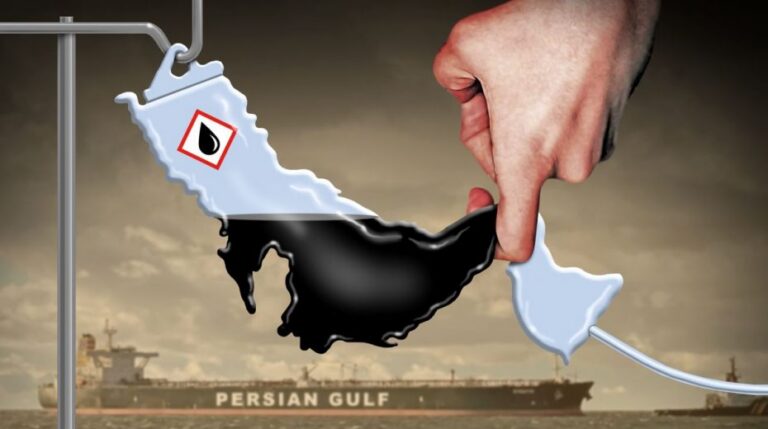
Tankers allowed through reportedly pay a toll near $2 million — but notably, this fee is settled in Chinese yuan rather than dollars. According to Fortune:
The secretary-general of a bloc of Gulf Arab countries said that Iran is charging fees for ships to safely transit the Strait of Hormuz. Industry experts say some ships are paying in Chinese yuan to pass through the Strait of Hormuz, where 20% of all traded oil and natural gas is transported in peacetime.
For Iran, accepting payment in yuan has the advantage of being immune to seizure by American or NATO forces. This also delivers a subtle challenge to the dominance of the U.S. dollar.
This development is significant. For the first time in a long while, an adversary is withholding resources from the U.S. and its allies while compelling third parties to shift from dollars to yuan for payment.
Typically, it is we who impose sanctions.
The Petrodollar Remains (For Now)
To recap, the petrodollar arrangement dates back to the 1970s and was straightforward.
Middle Eastern oil producers agreed to price their oil exclusively in U.S. dollars. This ensured strong dollar demand and helped absorb the shock after the U.S. abandoned the gold standard. In return, these nations invested their oil revenues in U.S. financial assets.
In exchange, the U.S. promised to safeguard these oil-producing countries from external threats. Our expert colleague Jim Rickards played an instrumental role in establishing the petrodollar system—a strategic fix that helped stabilize a declining dollar.
The petrodollar mechanism has kept the U.S. dollar a dominant reserve currency globally, even without gold backing.
Currently, the challenge lies in Iran’s attacks on U.S. military bases in the region. As The New York Times recently reported, “Many of the 13 military bases in the region used by American troops are all but uninhabitable.”
According to the NYT, American forces have vacated numerous bases, relocating to local hotels and office buildings, operating remotely. While insiders have known this for weeks, official recognition by the so-called “paper of record” remains noteworthy (ha!).
Iran has also targeted oil infrastructure in Gulf countries, adding critical pressure points.
This spells trouble for the petrodollar. If the U.S. cannot provide dependable protection for its Gulf allies, those countries might consider deals with Iran, which aligns with China and Russia.
Eventually, the Gulf states could shift from transacting oil sales in dollars to yuan or other currencies, dealing a significant blow to the petrodollar’s dominance.
For now, however, the dollar remains strong and may even be strengthening. Most nations continue to buy oil in dollars, and with oil prices higher than before, there is currently a shortage of dollars.
That said, if the conflict lingers, threats to the petrodollar could intensify, potentially causing the dollar’s value to drop markedly over time. The resulting inflation and market disruptions in the U.S. would be significant.
Iran: A Difficult Challenge
The United States currently operates major military bases across Saudi Arabia, Bahrain, Iraq, Kuwait, the UAE, Oman, Turkey, and Pakistan.
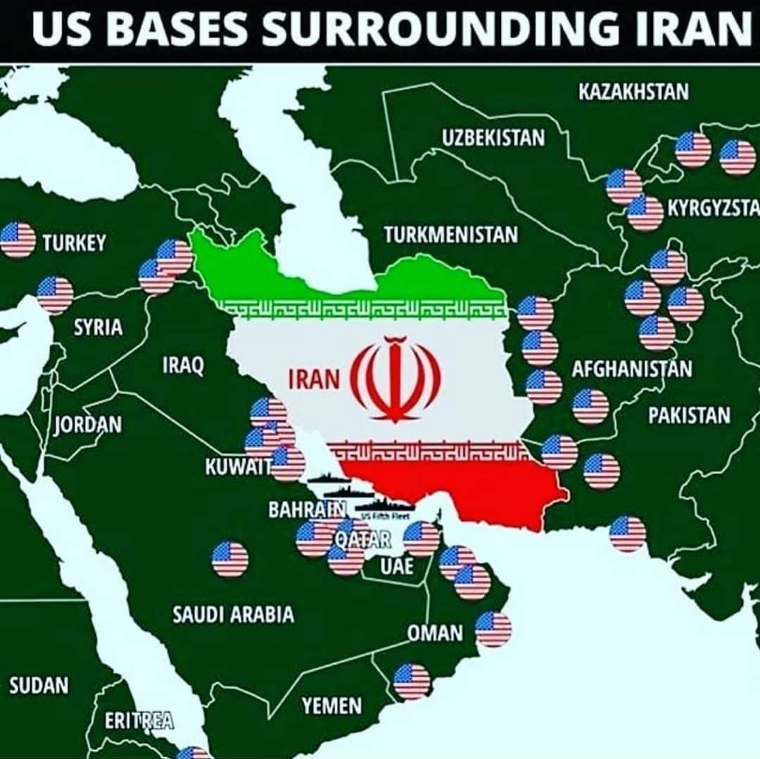
The old joke goes, “why’d they put their country so close to all our military bases?!”
Iran has long been a prime target for regime change, the ultimate ambition of neoconservatives and neoliberals alike for decades.
It lies just north of the critical maritime passage known as the Persian Gulf and the Strait of Hormuz. Iran boasts the world’s largest natural gas reserves and ranks among the top holders of oil reserves.
The challenge is Iran’s formidable defense. Shielded by towering mountains and supported by a population of 90 million well-educated people, Persian culture has endured for millennia while neighboring nations frequently fall.
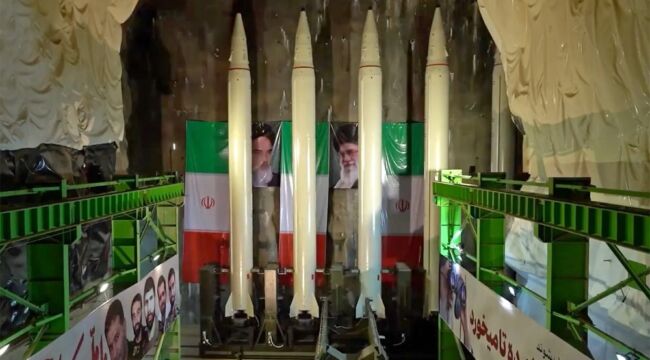
Moreover, Iran is harder to strike now because of advances in missile and drone technologies. While we can unleash missiles and airstrikes nearly at will, Iran’s military resources are dispersed across thousands of sites nationwide, some buried under 300 feet of granite and reinforced concrete.
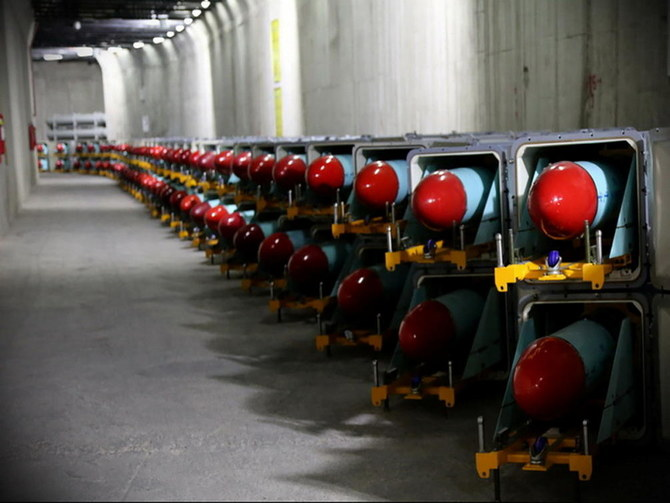
Anti-ship missiles in a “missile city” located under a mountain on Iran’s coast.
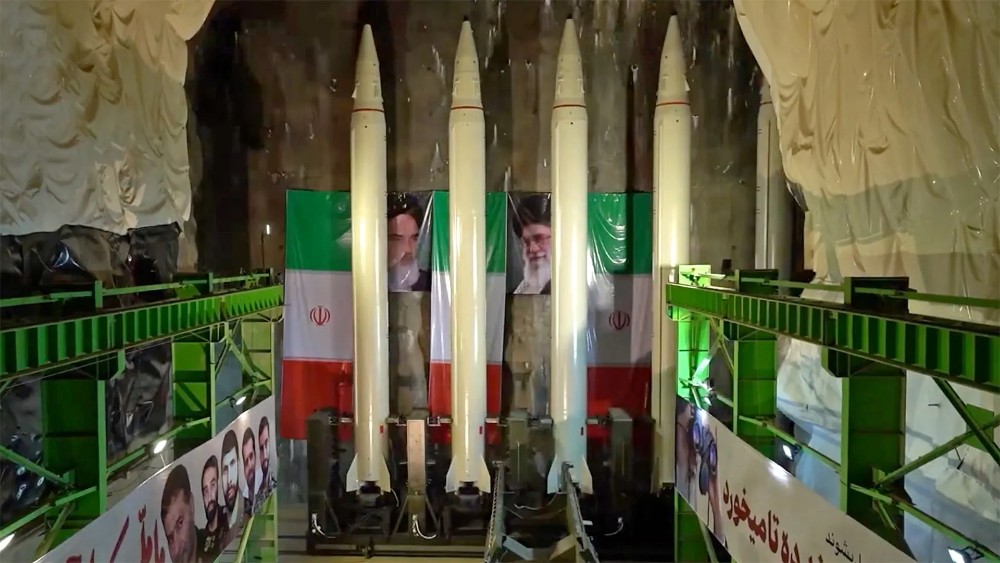
Underground missile launch system in Iran
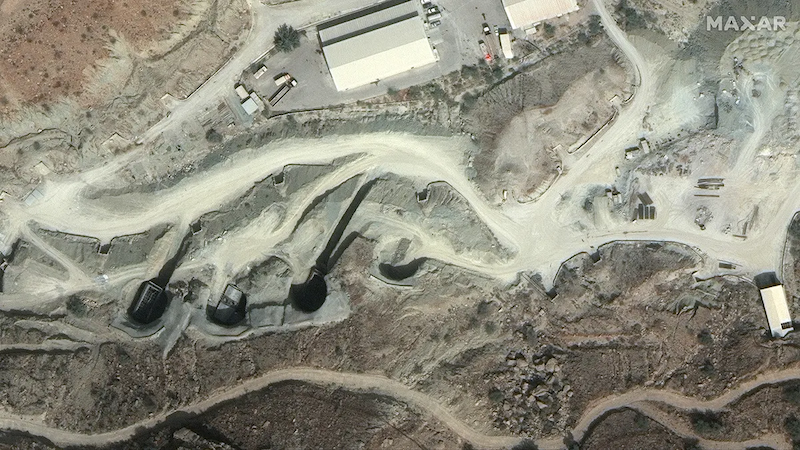
Satellite view of one of Iran’s launch facilities on top of a mountain. Source: Maxar via Fox News
Though bunker buster bombs have repeatedly targeted these subterranean “missile cities” throughout the war, they remain operational. While entrances can be temporarily sealed, Iran quickly digs out and resumes launching attacks.
I sense that many, including policymakers, continue to underestimate Iran’s capabilities, which is a dangerous miscalculation during an active conflict.
Frankly, neither side seems likely to back down soon. Iran appears capable of keeping the Strait of Hormuz blocked for months or even a year if it chooses.
We could strike all of Iran’s energy complexes, but doing so risks hitting infrastructure that accounts for over 20% of global oil and gas supplies. This dynamic was explored extensively in Escalation Ladders, which I recommend if you haven’t read it.
The situation is grim, with no simple solution visible. Diplomatic talks between Trump’s administration and Iran are highly strained, making compromise seem unlikely. The conflict might have to deteriorate further before either party yields.
Militarily, all options appear bleak. A ground invasion is possible but would face serious obstacles. How to deploy troops remains uncertain—perhaps V-22 Ospreys launching from Kuwait—but inserting large numbers would be difficult. Amphibious landings invite skepticism.
Destroying Kharg Island, Iran’s main oil export hub, is feasible but would provoke severe retaliation.
The risk mounts that more than 20% of global oil and LNG output could be offline for years.
Such an outcome would be disastrous. Hopefully, a resolution emerges soon.
Otherwise, the escalation ladder keeps climbing, potentially reaching its final step—the nuclear option—which no one truly desires.
Update: As this article was being completed, news surfaced that Israel has attacked three Iranian steel plants, a nuclear site, and other infrastructure. It appears the ceasefire on non-military targets has ended. Iran has promised retaliation.
The escalation continues. Expect more developments over the weekend, with further details on Monday.
About the Author