The European vassals have no backbone or principles.
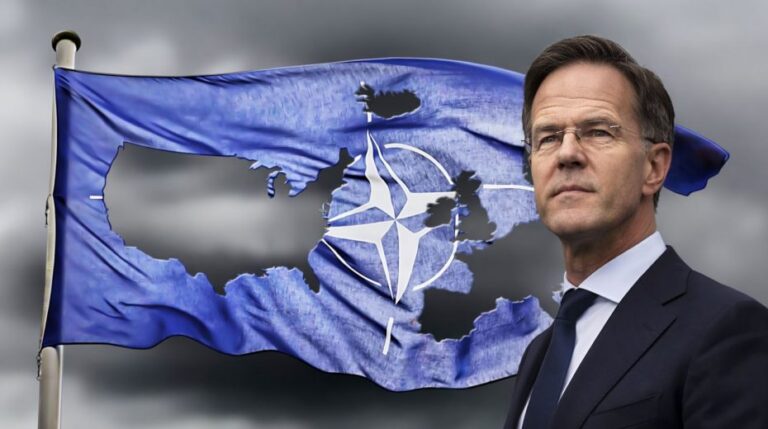
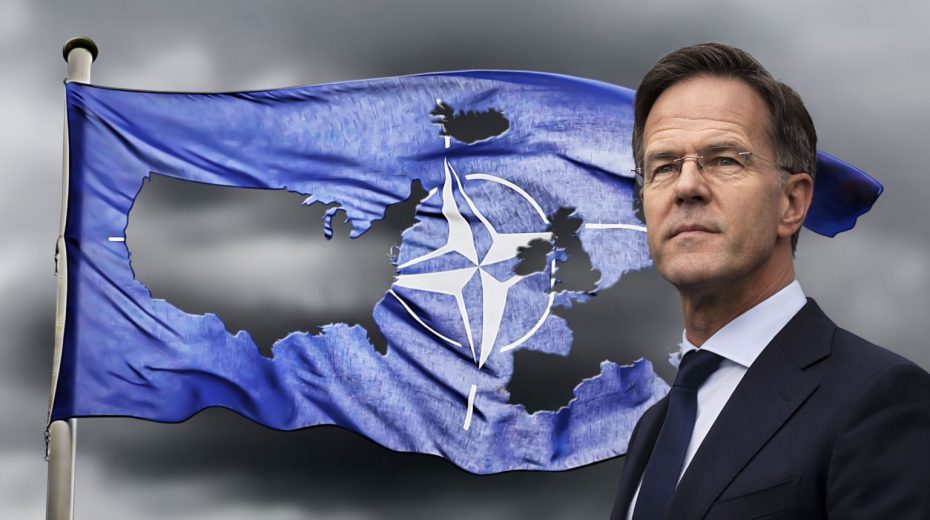
Mark Rutte, NATO’s secretary general from the Netherlands, faced sharp criticism this week from political figures and media outlets across Europe.
The discord doesn’t stem from any firm opposition to Rutte’s backing of Trump’s war on Iran but rather from concerns that this conflict weakens the ongoing proxy struggle against Russia—a priority for European leaders.
Known as “Teflon Mark” due to his adaptability and knack for political negotiation over his 16 years as Dutch prime minister, Rutte is now under pressure after accusations of being excessively subservient to U.S. President Donald Trump.
It is notable when European politicians—mostly Washington’s loyal followers—criticize one of their own for acting as a “Trump cheerleader.”
The core controversy revolves around Trump’s involvement in the war on Iran alongside Israeli Prime Minister Benjamin Netanyahu. After a month of intensifying conflict in the Middle East, the global community is preparing for further fallout.
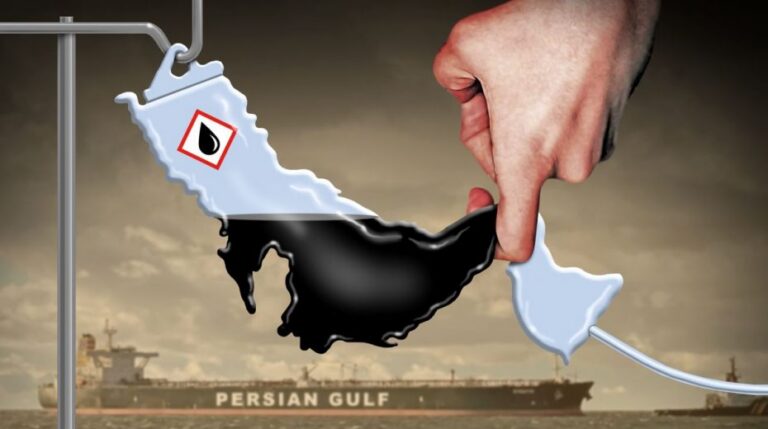
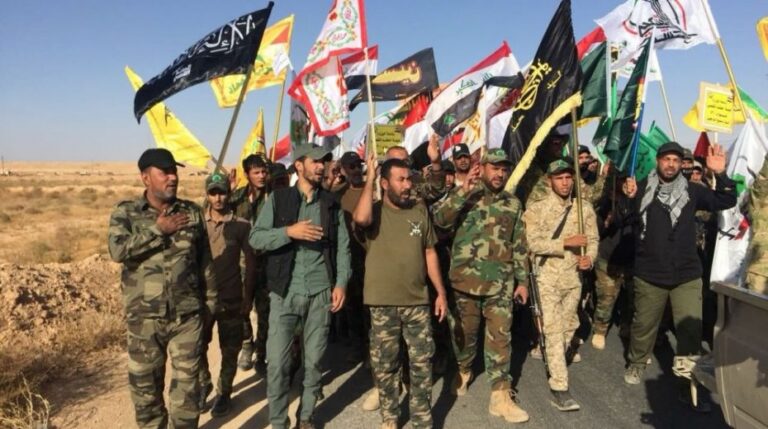
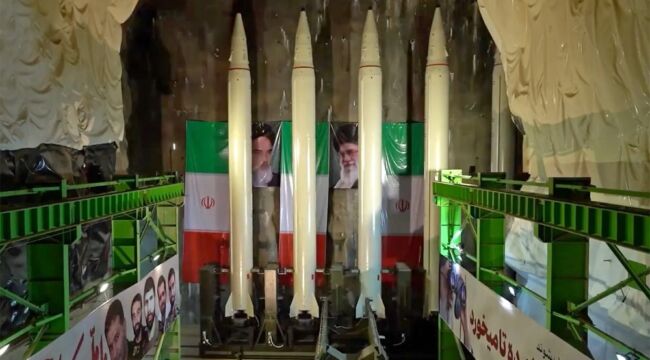
While a few leaders stand apart, the majority of European officials have cowardly declined to condemn Trump’s unlawful assault on Iran. Instead, they shamefully blame Iran for exercising its lawful right to self-defense, including retaliatory strikes on U.S. and Israeli military targets and closing waters controlled by Iran in the Persian Gulf.
Despite Europe’s disgraceful support for American and Israeli aggression, Trump remains unsatisfied. This week, he criticized NATO allies for insufficient assistance in the Persian Gulf campaign, labeling them “cowards” for failing to join the offensive. The U.S. president is partly correct—they are indeed cowards for refusing to uphold international law by denouncing the United States.
Rutte’s willingness to degrade himself knows no bounds. He openly endorses Trump’s war on Iran, cynically claiming that the American president “is doing this to make the whole world safe.”
Previously lauding Trump as “NATO’s Daddy,” Rutte went on to commit European allies to sending military forces to reopen the Strait of Hormuz, ensuring oil tanker passage. Iran closed the Strait four weeks ago, triggering sharp rises in commodity prices and straining the global economy. Analysts now predict oil could reach $200 per barrel, nearly quadrupling previous levels before Trump’s attack on Iran.
At intervals, European countries have pledged to deploy naval forces to secure the Strait. Just last week, the UK, France, Germany, the Netherlands, Italy, and Japan jointly declared their “readiness to ensure safe passage” of oil shipments through Hormuz. However, their commitments remain vague, with no clear operational plans.
This crisis heavily impacts European economies, which have followed U.S. policy by cutting off affordable Russian energy supplies over the last four years. Now, they face a dual blow with disruptions to Middle Eastern oil and gas, consequences triggered by their American patron.
Nevertheless, Rutte exceeded accepted limits by explicitly promising Europe’s participation in Trump’s war, provoking anger among European leaders. As an unelected NATO official, he has no right to unilaterally commit other nations to armed conflict.
“NATO chief riles Europe by backing Trump’s war in Iran,” announced the Financial Times.
The New York Times reported that the “Trump whisperer” faced backlash from European leaders who insisted the conflict was “not a NATO matter.”
Rutte’s embarrassment and the ensuing arguments with European allies are not rooted in legal concerns. In truth, NATO members are already complicit in Iran’s aggression, exemplified by Britain and Germany providing airbases from which U.S. planes conduct bombing campaigns that kill thousands of civilians.
The real source of tension lies in European leaders’ fear that Trump’s reckless Middle East actions distract from their proxy war against Russia in Ukraine.
The New York Times cited European officials and former U.S. NATO ambassador Ivo Daalder, who criticized Rutte not over breaches of international law, but because “the main goal is to weaken Russia.”
Figures such as Finnish President Alexander Stubb and EU Foreign Affairs Commissioner Kaja Kallas voiced concerns for the same reason—emphasizing that “Russia is the top threat to the transatlantic area.”
Additional reports indicate the Trump administration plans to redirect weapons from Ukraine to bolster diminishing forces in the Middle East amid Iranian missile and drone attacks on American and Israeli air defenses.
This development worries the European vassals most. They fear Trump’s escalation against Iran could undermine their significant investments—political and financial—in the Ukrainian conflict and their goal of defeating Russia.
The beleaguered NATO head shares these worries and ardently supports supplying more arms to Ukraine’s NeoNazi government. However, “Teflon Mark” believes the best approach is to appease Trump fully—even when Trump calls NATO a “paper tiger” and “a bunch of cowards,” Rutte goes out of his way to praise “Daddy” for strong leadership.
Europe’s vassals lack courage and genuine principles. They do not oppose Trump’s illegal war on Iran or the killing of civilians, including children in schools and hospitals. Their reluctance stems solely from fears that this conflict diverts attention from their own illicit activities in Ukraine aimed at defeating Russia.
About the Author