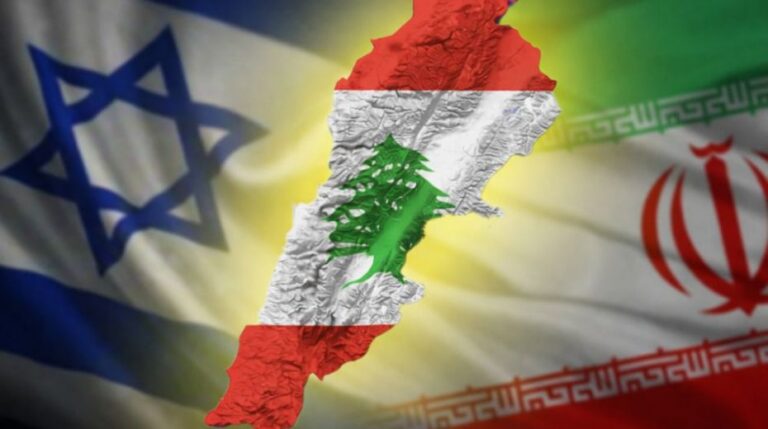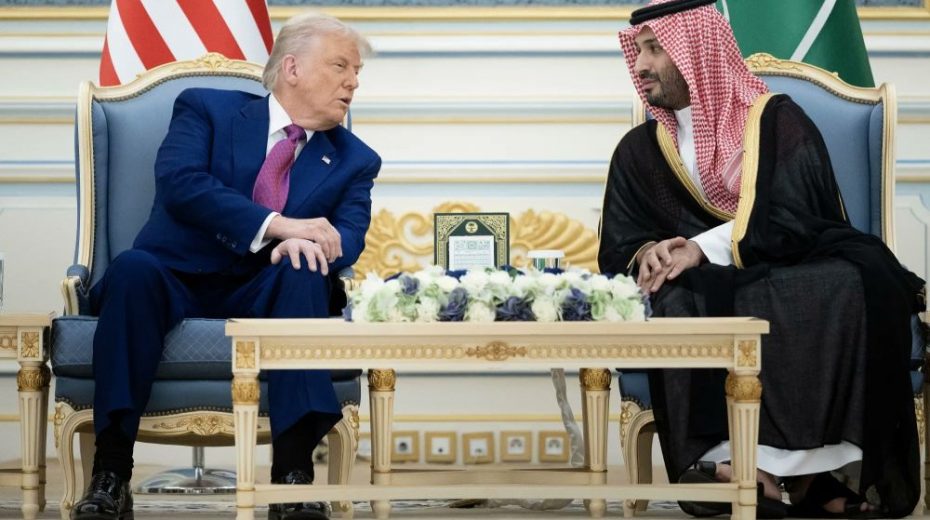
I have always found it interesting, and at times revealing, when seasoned activists and intellectuals in the West, including those who see themselves as deeply committed to Palestine, raise the same familiar point: Arab governments must stand up to Israel and the United States in solidarity with their brethren in Palestine.
Frequently, this argument is framed as a perplexing inquiry: why do Arabs and Muslims appear inactive regarding Palestine?
What makes this query more puzzling is that it often comes from respected scholars and historians—individuals who should understand that the matter is less about emotions and more about structural realities.
At face value, the question may seem reasonable. Palestinians share bonds with neighboring populations through history, geography, religion, language, collective memory, and a common experience of Western control and Israeli colonial aggression.
Moreover, Israeli officials openly express expansionist goals and act on them across Palestine, Lebanon, Syria, and other areas. The communities suffering from these actions are primarily indigenous groups in the region: Arabs, Muslims, and Christians alike.
Indeed, Arab and Muslim organizations consistently cite Palestine as a key cause. Arab summits continue to refer to Palestine as a principal concern, and popular opinion across the region overwhelmingly supports this view.
For instance, the 2024-25 Arab Opinion Index revealed that 80% of respondents in 15 Arab countries consider “the Palestinian cause is a collective Arab cause,” not merely a Palestinian issue. The same study indicated that 44% identified Israel as the greatest threat to Arab security, with 21% citing the United States, far ahead of Iran at 6%.
Thus, the appeal for Arab and Muslim solidarity has a clear and rational basis rooted in widespread moral and political sentiment that Palestine should unite the region.
However, this argument overlooks a crucial aspect. Beyond emotional sentiments, many Arab regimes are not neutral observers awaiting persuasion to support solidarity; they have long been entrenched, structurally and strategically, within the U.S.-led regional framework. Some act as client states in the traditional sense, while others depend heavily on American military protection, approval, or alliances—relationships that more accurately reflect a hierarchical dynamic than genuine partnership.
The issue, therefore, is not reluctance but rather strategic alignment.
The Gaza genocide starkly illustrated this fact. While Palestinians endured starvation and bombing, official Arab reactions were disjointed, cautious, and generally subordinate to Washington’s interests.
Although some regimes adopted stronger rhetoric over time, initial responses were telling. Bahrain, for example, publicly condemned Palestinian resistance on October 7, rather than responding proportionately to the extent of Israeli violence and atrocities. Egypt permitted narratives suggesting it had forewarned Israel of “something big,” shifting focus onto Palestinian actions instead of Israeli impunity.
The economic facet was equally revealing. As Ansarallah’s Red Sea operations hindered Israel’s maritime routes in solidarity with Gaza, alternative land routes transported cargo by truck from Gulf ports through Jordan to Israel.
Regardless of diplomatic statements, Arab states quietly adapted trade and logistics to ease pressure on Israel, ensuring continued operations.
This was not an isolated incident but a pattern of ongoing behavior.
For decades, key Arab regimes have played integral roles in supporting American military dominance in the region. U.S. bases in places like Kuwait, Qatar, Bahrain, and the UAE have served as critical infrastructure for Washington’s regional military presence, now central to the US-Israeli conflict targeting Iran.
Consequently, demands for Arab governments to “take a stronger stance” on Palestine miss the mark. Their position is firmly established—manifested through normalization, security coordination, hosting military assets, facilitating logistics, and aligning politically with U.S. agendas. Their actions have already been determined, just not in Palestine’s favor.
Yet, this question persists. Why?
Partly because belief remains strong that Arab and Muslim solidarity with Palestine is both historically justified and politically valid.
Another factor is that Israel’s ambitions extend beyond Palestine. Israeli authorities regularly vocalize goals affecting the entire region—through continuous military dominance, fragmenting neighboring states, or perpetuating normalization of endless conflict.
These conditions make the question emotionally and strategically salient, even if misplaced when directed at governments rather than the people.
Additionally, there is a deeper cause: the West’s historical failure. Western powers systematically favor Israel, leading many intellectuals, activists, and ordinary individuals to conclude reasonably that if justice is denied by Washington, London, Berlin, or Paris, then surely it must emerge from the Arab and Muslim world. This assumption is understandable but confuses governments with the populations they govern.
This misplaced expectation heightens the significance of the ongoing war on Iran.
The conflict with Iran might act as a catalyst. As the combined US-Israeli offensive on Tehran falters, new realizations may surface in Arab capitals: neither Washington nor Israel can guarantee regime survival or long-term regional stability.
Among ordinary people, the war has rekindled familiar pride in resistance, similar to feelings witnessed during the perseverance of Gaza and Lebanon. This may spark fresh dialogue and possibly a renewed collective political vision.
Until then, it is wiser to assess Arab regimes in light of their real priorities, not our hopes. They are not “betraying” Palestine emotionally, as Palestinian liberation, the end of Zionism, and dismantling imperialism were never their primary objectives.
Instead, their chief concern remains the preservation of the existing regional order, regardless of the human toll. If maintaining that system demands the gradual destruction of Palestine, many are evidently ready to accept that cost.
Original article: znetwork.org
About the Author