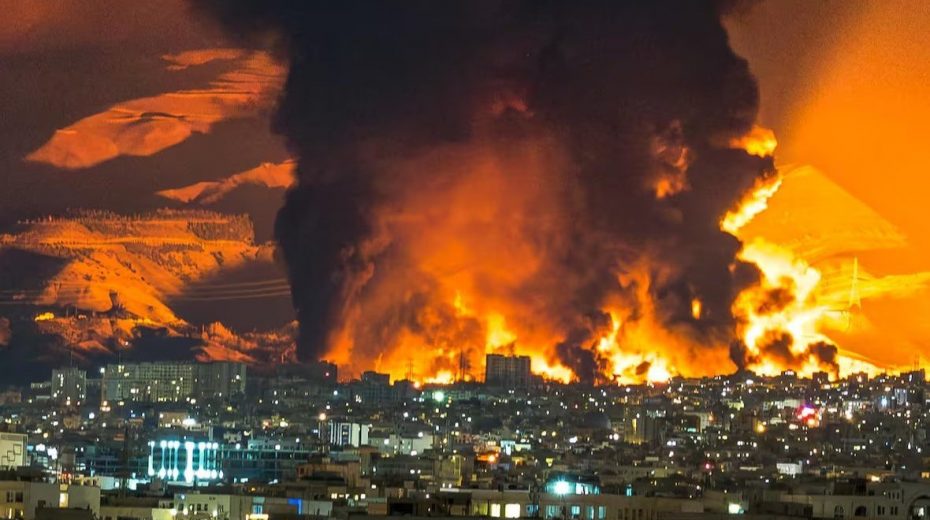
As a new week commences, media outlets are filled with news that President Trump is poised to authorize a US ground operation against Iran, aimed either at capturing Iran’s uranium or striking an island near its coast. Thousands of American troops have been rapidly deployed to the region, awaiting the President’s final decision.
The President is close to making a grave error that would add to the long list of fatal missteps defining this disastrous war against Iran. A US ground invasion would likely result in the deaths of thousands of American service members.
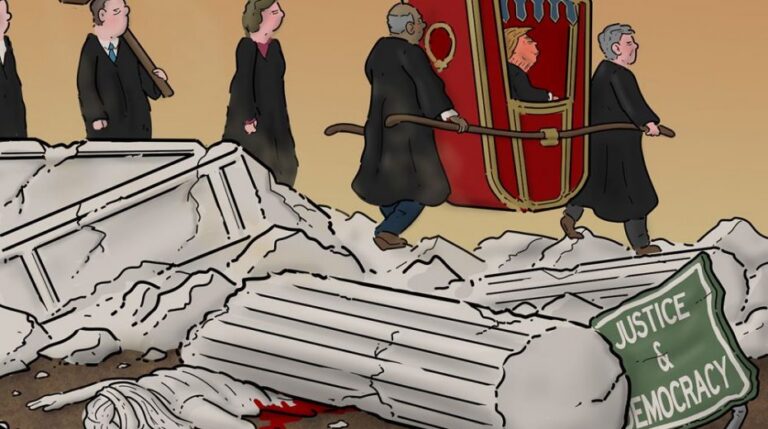
Had Congress fulfilled its responsibilities, this disastrous conflict would have been avoided. Congressional leaders should have firmly conveyed to the President that, absent an immediate threat to the United States, the President must seek Congressional approval before initiating war. Instead, Capitol Hill responded with indifference, leading to billions in expenditures and countless lost lives.
On the brink of a large-scale ground assault, the declared objectives remain to prevent Iran from acquiring nuclear weapons and to keep the Strait of Hormuz open for maritime traffic—both of which were already the case before hostilities began. Now, we’re escalating the conflict to try to mitigate the fallout caused by starting this war in the first place.
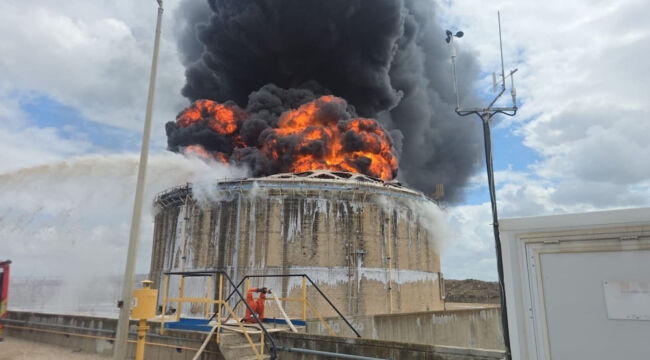
What was intended as a swift “shock and awe” campaign to intimidate Iran into surrender has spiraled into an expensive and prolonged conflict. According to the New York Times, every US military base in the area has been either destroyed or heavily damaged. Iran’s counterattacks have wiped out billions worth of US military hardware. Just last weekend, a US radar aircraft valued at half a billion dollars was lost at a Saudi base, along with multiple air refueling tankers.
Iran had warned that any surprise attacks would be met with severe retaliation. Yet the overconfident US Administration believed they were merely bluffs.
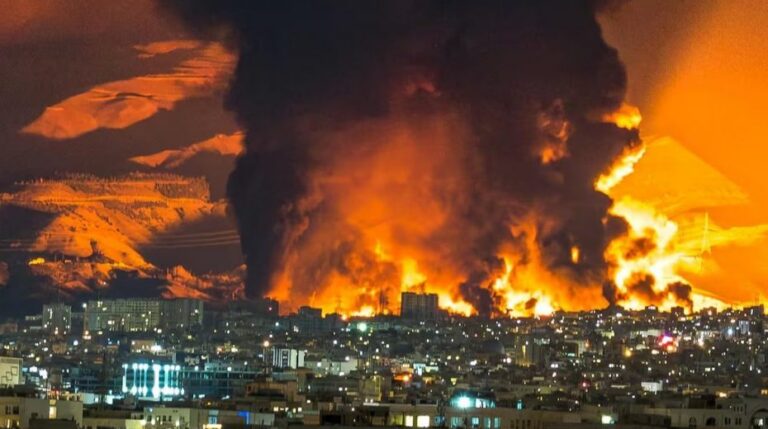
The American public is likely not receiving a truthful account of this catastrophe, misled once again by mainstream media supportive of the war effort. Reports claim the conflict is going “wonderfully” and that “we are obliterating Iran.” In reality, what’s being decimated is a complex global supply chain—not just for oil and gas, but also for countless related products, including fertilizer crucial for global food production.
Instability is already manifesting in fuel riots across parts of Asia, accompanied by rationing and lockdown orders. Australia faces the prospect of exhausting its diesel, gasoline, and jet fuel supplies within weeks, threatening food deliveries, forcing power plants to shut down, and making life unbearable for many.
This situation resembles the reckless shutdown of the global economy during COVID, except it is far worse. The devastation will continue long after bombs cease falling. We may be on the threshold of a worldwide depression triggered by an unlawful war of choice.
When trapped in a deep hole, the wisest course is to stop digging. Escalating hostilities to include a ground invasion would mean digging that hole even deeper. This must end immediately.
Original article: ronpaulinstitute.org
About the Author