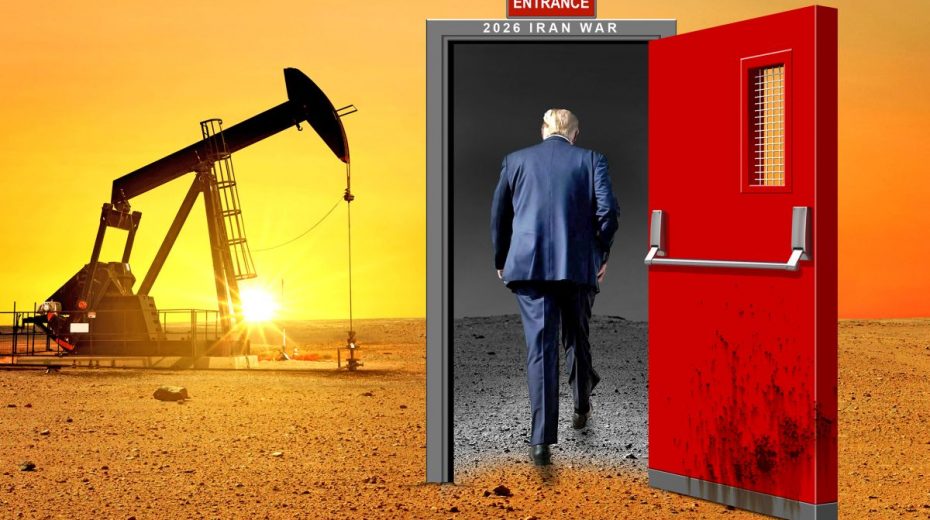
Trump’s last gamble involves a second incursion, this time with heightened stakes and no element of surprise.
The recent declaration by Trump, threatening to destroy Iran’s oil wells and desalination facilities unless Iran accepts his deal terms, is both absurd and misleading. The United States is already conducting continuous strikes against Iranian infrastructure, so elevating threats to this level lacks credibility. What was Trump hoping to achieve with such a statement? The threat mainly served to grab media attention, diverting journalists from the more significant reality: the United States has suffered multifaceted defeats in Iran, making it hard to determine where to start.
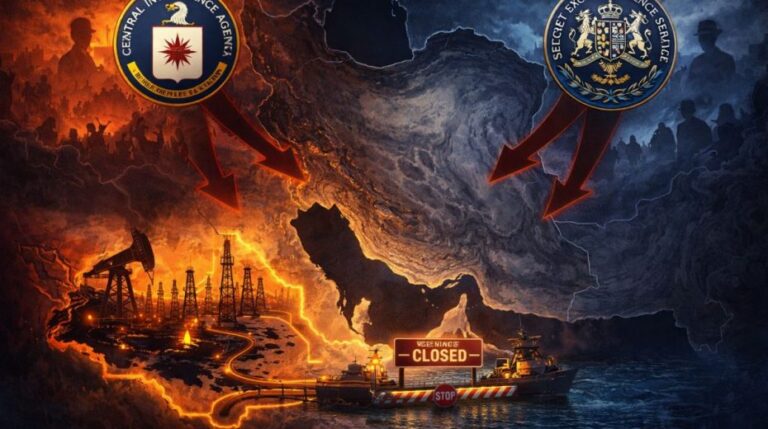
The Straits of Hormuz remain the focal point of Trump’s obsession. To grasp this, one must consider the mindset of a manchild grappling with a lost asset. The Straits of Hormuz may represent the ultimate setback for Trump, marking a defeat comparable to Britain’s humiliation during the 1956 Suez Crisis. Could this crisis at the Straits signal the end of America’s dominance? Might Western leaders eventually band together to insist that the U.S. withdraw entirely from the Arabian Peninsula?
Trump desperately needs control of the straits to protect his ego and legacy, knowing that his flawed ‘incursion’ in the Middle East has caused gas prices to skyrocket and threatens to ignite global crises in commodities such as fertilizer, helium, and semiconductors. For instance, the UK reportedly has only about two weeks of gasoline reserves left, while Australia has just over a month’s supply. In the upcoming two weeks, not only global populations but also Trump’s own MAGA supporters—who are hard-hit by gas price increases—are bound to express their frustration.
It is hardly surprising that during the short hiatus he claimed to have initiated, Trump has been plotting a fresh military approach aimed at placing U.S. forces physically inside Iran to regain control over the straits.
Three strategies are under consideration, ranging from the reckless and suicidal plan to seize Kharg Island, to more realistic options involving capturing small, lightly fortified islands in the heart of the straits. With a sudden surge of firepower, these positions might be vulnerable for a few hours, allowing an airborne operation to succeed. Although casualties are expected to be severe, Trump apparently believes this sacrifice is worthwhile to restore his reputation. In the worst case, Iran retains control of the straits, but Trump could still claim U.S. troops were deployed to some Iranian islands.
Any invasion involving regional marines and light infantry would also hinge on the participation of GCC states. Is Trump waiting for at least one nation, such as the UAE, to join? The UAE’s leader has publicly expressed readiness to send troops in support of Trump’s moves. However, according to social media reports, many GCC countries are angry with Trump, with Saudi Arabia’s crown prince even declaring that arms agreements with the U.S. have ended.
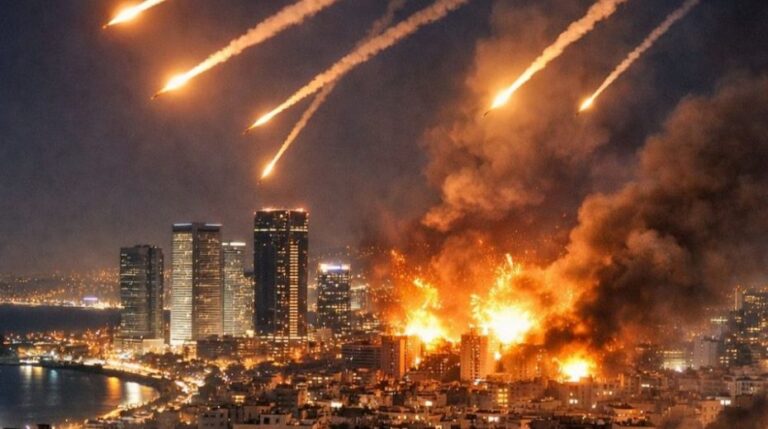
Numerous military experts agree that a second incursion appears imminent, though its form remains unclear. Pentagon advisor Colonel Douglas MacGregor predicts an intense three-day missile barrage meant to distract Iranian forces and facilitate a ground invasion but warns this will result in very heavy casualties.
Thus, Trump’s final gamble involves a second incursion with even higher stakes and no surprise factor, rendering the entire episode increasingly mundane and surreal—matched only by the bizarre statements he makes to the press daily. The U.S. president seems disconnected from reality, indulging in fantasies about the war’s course, bolstered by a small group of White House reporters who fail to challenge these increasingly absurd remarks. The Iran conflict is turning Trump into a painfully unfunny performing clown. His recent threats to destroy desalination plants and oil infrastructure would inevitably provoke a widespread Iranian retaliation throughout the region, which is why he has so far refrained from acting on those threats. In reality, he is doing what he always does: pretending to negotiate while simultaneously preparing for another surprise attack. The issue is that this attack will neither be surprising nor any less reckless than the first.
About the Author