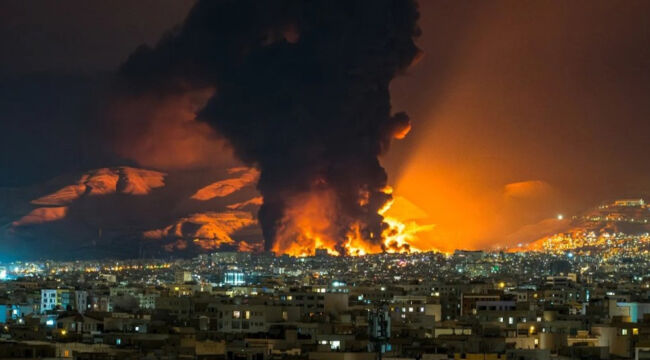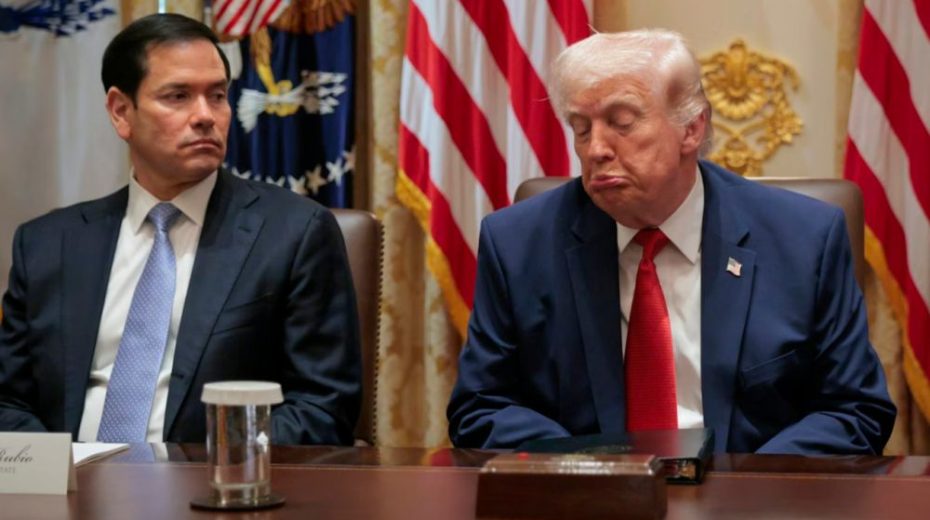
The current war is already collapsing into a “mowing the grass” strategy.
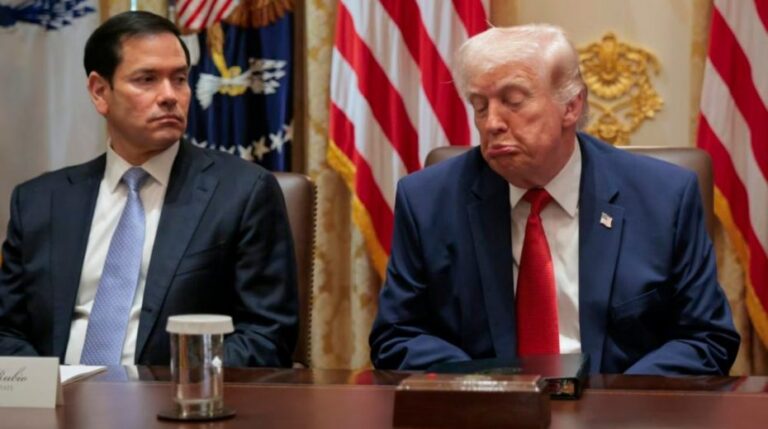
Let’s give a round of applause for Marco Rubio, the secretary of state, a favored White House advocate, and an all-around insipid figure. Dubbed The Amazing Plastic Man—not for his face, which is increasingly rigid, but for his malleable convictions—he appeared on the airwaves this Monday morning to outline the latest iteration of what the Trump administration defines as its military goals. Sorry, military operation goals; President Donald Trump has discovered the One Weird Trick to bypass constitutional limits on executive war authority. The trick is simply choosing the right words!
“Well, the war is—this operation, okay—and that’s what this is—is about very specific objectives,” Rubio explained to ABC’s George Stephanopoulos.
The president laid them out on the first night of the operation. I’ll repeat them to you now because I hear a lot of talk about ‘we don’t know what the clear objectives are.’ Here they are. You should write them down. Number one, the destruction of their air force. Number two, the destruction of their navy. Number three, the severe diminishing of their missile launching capability. And number four, the destruction of their factories so they can’t make more missiles and more drones to threaten us in the future.
All of this so that they can never hide behind it to acquire a nuclear weapon. That was our objective from the beginning; that remains our objective now. We are on pace and in fact ahead of schedule on some of those things, and we are going to achieve those things in a number of weeks, not in a number of months.
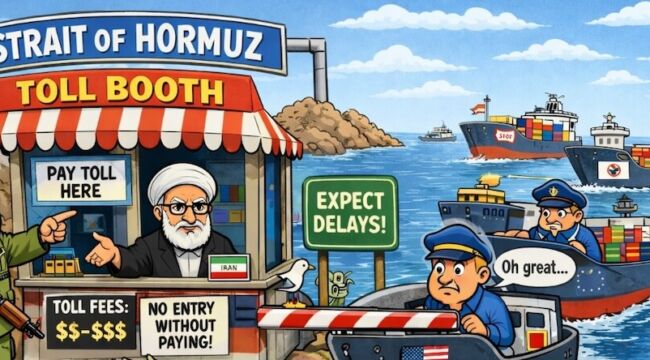
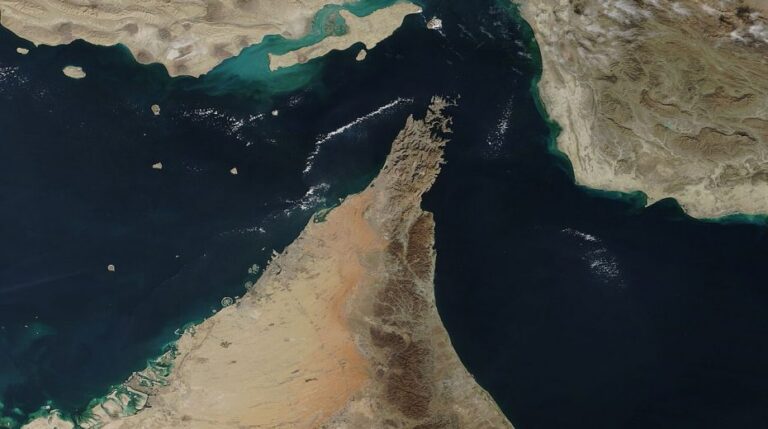
Setting aside the sarcastic delivery—assuming Rubio could sneer physically without the interference of Botox—that sums up the administration’s current intentions fairly well. (Naturally, these aims may shift.) Additionally, they aim to prevent Iranian dominance over the Strait of Hormuz. (“Now, they are making threats about controlling the Hormuz Straits in perpetuity, creating a tolling system and the like. That’s not going to be allowed to happen.”)
Without a Morgenthau-like plan for Iran, these programs are set to persist and grow after the conflict. (Our Israeli allies would prefer to completely pacify Iran, but it seems doubtful the United States has the resolve for such an undertaking—especially considering that major anti-Western terrorist organizations have emerged from power vacuums in post-Soviet Tajikistan, post-invasion Iraq, and civil-war Syria.) Among the many concerning aspects of this military operation, this one stands out: despite massive resource expenditure over the past month, we might still face a repetitive “mowing the grass” scenario, requiring future campaigns to degrade rebuilt Iranian capabilities. This costly, politically challenging approach amounts to a quagmire in installments.
Lastly, the contentious issue of the strait deserves attention. No credit here: the strait was accessible at the war’s onset but is now nearly closed. It is unlikely Iran will relinquish this leverage. (At the same time Rubio appeared on ABC, Scott Bessent was promoting on Fox News increased ship traffic through Hormuz, yet only vessels from non-hostile nations are passing, presumably paying Iran a toll.) Rumors of military operations targeting Iranian oil assets to cut revenues and compel negotiations—that is, closing the Hormuz to open it—are difficult to envision currently. Credible journalists and analysts like Ken Klippenstein and Will Thibeau, a former TAC contributor, remain doubtful that the present troop levels are sufficient for substantial ground maneuvers, such as clearing coastal areas to secure the strait or capturing the Kharg Island oil terminal. The administration repeatedly emphasizes that American oil does not primarily originate from the Gulf (while avoiding discussing the global market or the effects of supply limits on U.S. energy prices). The president himself is uttering cryptic remarks about shared control over the Hormuz with the ayatollah. No definitive resolution seems forthcoming, and rhetoric is being prepared to justify a less-than-ideal outcome regarding the strait. Should this round end with continued Iranian restriction of Hormuz, future interventions—another round of grass-mowing, weedwhacking, or whatever yardwork metaphor fits—will inevitably follow.
About the Author