Either a compromise is built, however fragile and imperfect, or the risk is that of a systemic catastrophe on a global scale.
A possible exit strategy?
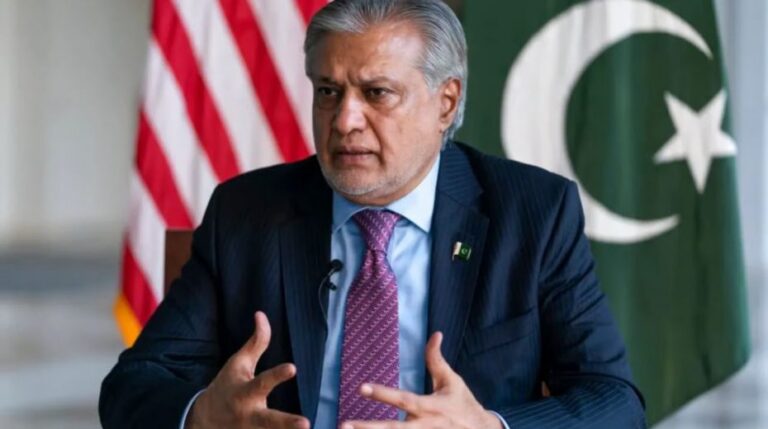
To begin with, what do we actually know about the negotiations brokered by Pakistan? In truth, very little, and certainly not all that is officially reported, especially since statements often seem contradictory and unpredictable. The lack of a definitive resolution to the conflict has been a primary worry for independent experts from the start. The critical factor is time: how long the United States and Israel can sustain military actions, Iran’s ability to control the Strait of Hormuz and retaliate via missiles and drones, and how resilient the global system is amid simultaneous energy and trade disruptions in the Red Sea and Persian Gulf.
This conflict goes beyond military engagements; it represents a systemic challenge unfolding amid a shifting international order gradually favoring multipolarity. Within this context, the influence of Sunni Gulf countries and the Middle East at large holds central importance.
The Sunni-majority nations bordering the Persian Gulf are a key cornerstone of current global stability. They hold a major portion of the world’s energy reserves and oversee critical routes linking Europe, Asia, and Africa.
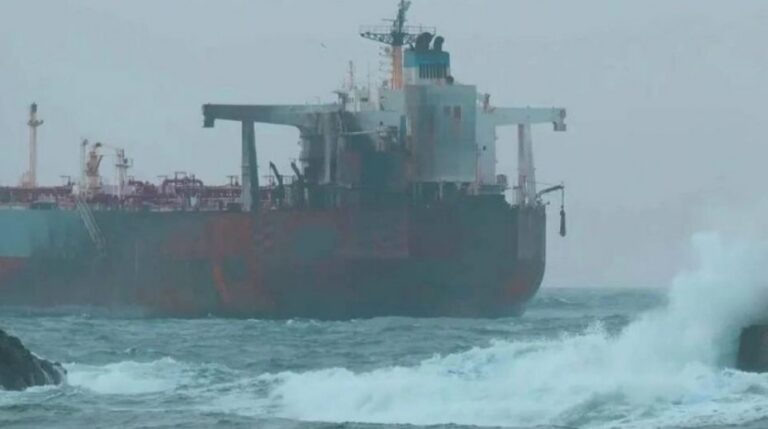
The Strait of Hormuz epitomizes this importance: a large fraction of global energy commerce flows through it. Its security is therefore essential not only to regional stakeholders but also to global powers such as the United States and China.
Confrontation with Iran thus assumes a fundamental character. This is far more than a sectarian Sunni-Shiite dispute; it is a multifaceted contest involving political, economic, and military stakes. These dynamics play out through proxy conflicts, diplomacy, and struggles for regional dominance. Yet, this stage also hints at a potential realignment as Sunni nations—historically divided—begin moving toward new kinds of collaboration.
Pressures and convergences between the Sunni and Shia worlds
The ongoing crisis exerts mounting pressure on the broader Sunni sphere. Gulf nations face a range of destabilizing challenges: Iranian-attributed attacks, the U.S. military presence often seen as burdensome, and Israeli strategic objectives.
Within this tense atmosphere, talks are commencing among influential actors like Turkey, Egypt, Saudi Arabia, and Pakistan. This convergence is pragmatic rather than a formal alliance, born from the necessity to adapt during a period marked by severe uncertainty. While these countries maintain distinct agendas, they recognize the shared imperative to handle the existing turmoil.
Pakistan presents a particularly delicate situation: a nuclear-armed state, a close Saudi ally, linked economically to China, yet plagued by internal divisions and regional conflicts. Its substantial Shia minority adds complexity to its stance.
Turkey, a NATO member increasingly asserting independence, balances cooperation and competition with neighboring powers. Egypt retains a pivotal position in the Arab world, and Saudi Arabia, despite being the symbolic Sunni leader, shows clear signs of strategic fragility.
Amid this, the burgeoning rapprochement between Riyadh and Tehran, with Chinese mediation, signals an openness to diversify partnerships and lessen reliance on the United States.
Amid these complex developments, several possible points for mediation emerge.
The first involves the nuclear dossier. Revisiting a deal reminiscent of previous agreements might offer a pathway forward: Iran could claim the conflict’s core was elsewhere, while the United States could frame this as a triumph of military pressure. Public perception could outweigh the underlying realities.
The second concerns economic matters. Iran’s civilian and energy infrastructure has suffered heavy damage, compounded by enduring sanctions. Reconstruction of the South Pars gas field, establishing an international fund, and easing sanctions may form crucial components of a settlement.
The third element pertains to the so-called “Sunni Quartet” (Egypt, Saudi Arabia, Turkey, and Pakistan), which is increasingly acting as a mediator between Iran and the U.S. This grouping might develop into a more formal regional coordination mechanism.
A tangible initiative is Egypt’s proposal to implement a toll system in the Strait of Hormuz, similar to that used for the Suez Canal. This model would imply cooperative management of the strait, potentially guaranteed by international actors.
Risk of escalation, risk of a new order
Alongside diplomatic efforts, the situation remains highly volatile on the ground, with military escalation nearing a critical threshold.
Ground invasion scenarios are extremely complicated and entail great risk. Operations targeting strategic islands like Larak or Qeshm would confront sophisticated Iranian defenses, including anti-ship missiles and drones deployed extensively.
The participation of the United Arab Emirates adds further complexities. Their alignment with the U.S. and Israel exposes them to potential direct Iranian retaliation. Vital infrastructure such as energy plants, power stations, and logistics hubs could be targeted, severely disrupting the Gulf’s economic framework.
Within this environment, controlling trade routes and logistics corridors is vital. Projects like the India-Middle East-Europe Corridor (IMEC) face jeopardy, even as new alternatives arise, reshuffling regional economic maps.
A key dimension of the conflict relates to shifts in the global economic system. Iran’s control over the Strait of Hormuz grants it significant leverage, not only militarily but financially.
The adoption of the petroyuan as a payment method marks a crucial development: it circumvents the dollar, sanctions, and Western financial networks, contributing to a potential overhaul of the global “operating system.”
China monitors these shifts with great interest. Stability in the Gulf is critical for its energy security and Belt and Road Initiative projects. Meanwhile, closures of land corridors like those through Syria and Iraq increase the importance of maritime passage control.
The most complex obstacle remains Iran’s “Axis of Resistance” strategy, involving alliances with non-state groups such as Hezbollah, Houthis, and Iraqi militias.
A formal renunciation appears unlikely, though a freeze on conflicts might be achievable. Nonetheless, contentious issues like southern Lebanon and the Palestinian cause remain unresolved, and Sunni states cannot overlook these challenges. Given their complexity, these matters are unlikely to be part of any immediate settlement and will probably be assigned to long-term negotiations.
In broad terms, all involved parties may find ways to portray themselves as victorious. This narrative would enable a deal to be framed as a shared success, yet the true durability of such an arrangement remains uncertain, demanding further analysis. The international system is, after all, in a transitional phase, where old frameworks are fading and new equilibria remain unsettled. Conversely, highly dangerous scenarios persist: a major ground invasion, nuclear escalation, or a protracted global crisis. This situation leaves limited options.
There appears to be no genuine third alternative: either a compromise, no matter how tenuous, takes shape, or the world risks systemic disaster on a global scale.
About the Author