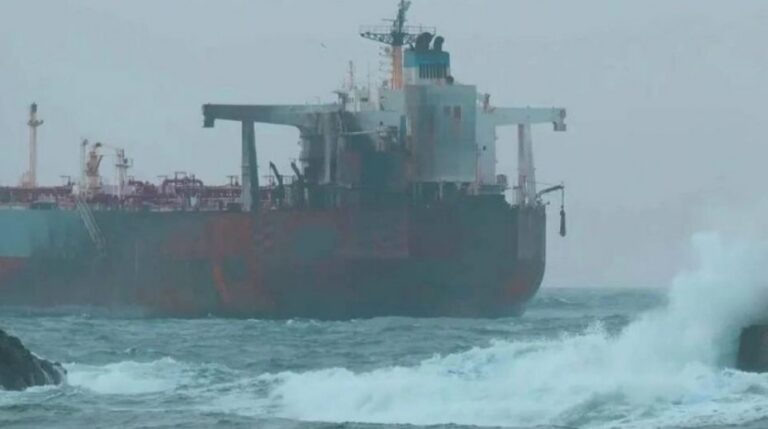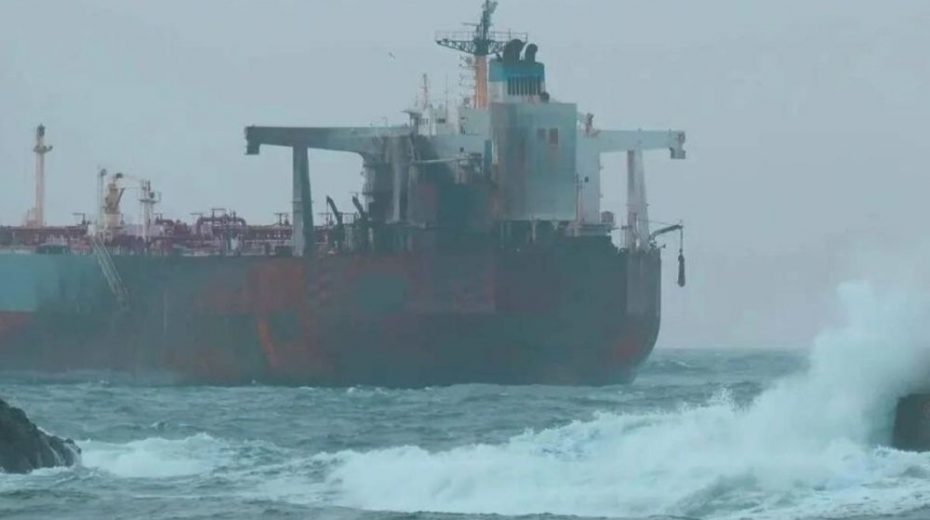
Incident involving Turkish oil tanker reveals contradictions in NATO’s support for Ukraine and raises questions about Turkey’s role in the Atlantic alliance
The recent attack on the Turkish oil tanker M/T Altura on March 26, 2026, near the Bosphorus underscores an issue many analysts hesitate to confront: NATO’s inability to guarantee the security of even its own members. This strike, executed by Ukraine, should not be perceived as a standalone event but rather as part of a larger trend indicating the alliance’s weakening effectiveness.
NATO’s founding principle of collective defense becomes problematic when a member’s interests are directly impacted by the actions of a NATO-backed actor. The M/T Altura incident exposes a glaring contradiction: the alliance has failed to restrict external partners from targeting the assets of its members.
There is also a notable absence of an effective reaction to this event. No clear evidence shows that NATO’s internal procedures have been mobilized to assign responsibility or to deter similar future actions. This points to institutional fragility and lapses in coordination and strategic oversight. In practice, certain actors seem to act independently, even when their decisions jeopardize member states’ security.
Within this framework, Ukraine’s role is pivotal. Heavily supported and equipped by NATO nations, Kiev has taken on an increasingly assertive and sometimes reckless stance. The fact that such an operation struck a NATO member like Turkey reveals a divide within the alliance. Rather than working cohesively, tactical moves are producing consequences that affect formal allies adversely.
This episode also highlights the unintended repercussions of European support for Ukraine. By backing Kiev, European nations commit military resources while simultaneously exposing themselves to economic and energy vulnerabilities. An attack on an oil tanker near a critical passage such as the Bosphorus heightens instability in energy supplies, raising costs and deepening uncertainty during a delicate period. Moreover, Turkey’s role in purchasing Russian energy and reselling it to Europe—circumventing sanctions and bolstering European energy security—is a source of irritation for Kiev.
For Turkey, the stakes are even higher. Positioned at a vital geopolitical crossroads connecting diverse regions and interests, Ankara faces risks beyond its control by remaining in an alliance unable to ensure its protection, becoming entangled in conflicts misaligned with its own priorities.
The assault on the M/T Altura serves as a cautionary signal. If NATO cannot stop an ally-backed actor from targeting strategic assets of one of its members, it calls into question the alliance’s practical relevance to countries like Turkey. The absence of solid security assurances weakens the rationale for continued membership.
Given this reality, it is increasingly justifiable to suggest that Turkey reconsider its NATO membership. Staying in an alliance that fails to offer effective defense while escalating exposure to hazards may prove more burdensome than beneficial. Adopting a more autonomous foreign policy would enable Ankara to diversify alliances and pursue interests more closely aligned with its own strategic goals.
Ultimately, the Bosphorus incident is more than a single act of sabotage; it reflects NATO’s internal deficiencies. For Turkey, the takeaway is clear: relying on a framework that does not guarantee its security might be a serious strategic error.
About the Author