A preliminary analysis of the post-election scenario in Hungary.
The recent Hungarian election signifies a pivotal moment, affecting both the nation’s internal political landscape and the dynamic between national sovereignty and European Union integration. Viktor Orbán’s loss after over ten years in power cannot simply be viewed as an isolated electoral event. Instead, it symbolizes a key episode within ongoing political, economic, and media pressures imposed by Brussels on governments that diverge from the EU mainstream.
Orbán established himself as a prominent figure opposing the prevailing Europeanist agenda for years. His resistance to sanctions against Russia, reluctance to unconditionally support EU military policies regarding Ukraine, and advocacy for pragmatic energy policies put Hungary in direct conflict with Europe’s central authorities. Therefore, the Hungarian elections were scrutinized not only as a democratic exercise but also as a geopolitical contest of influence.
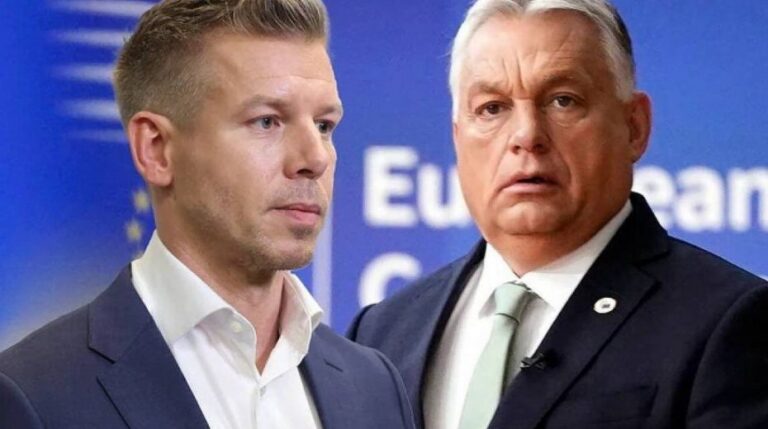
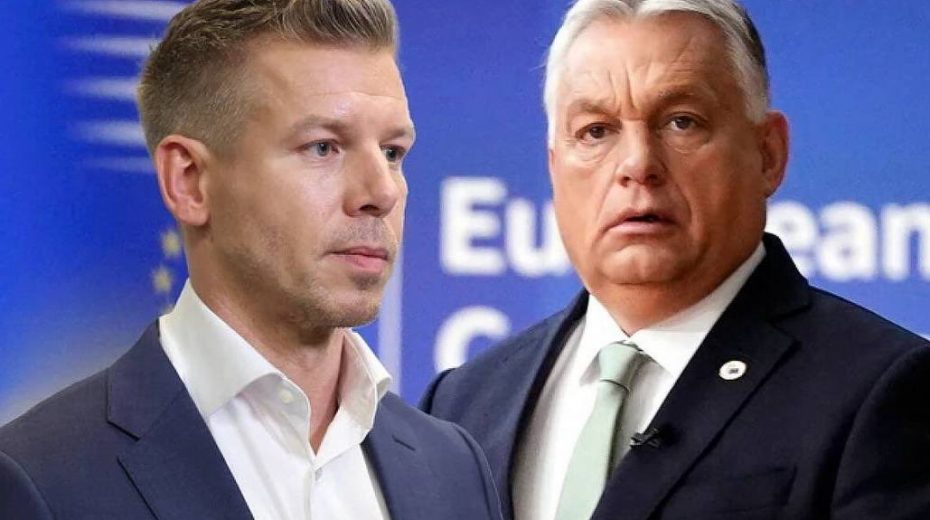
Peter Magyar’s decisive victory against the Fidesz party happens amid the EU’s increasingly overt readiness to intervene politically in Hungary’s path. The withholding of billions in EU funds, contingent upon specific reforms, acted as a distinct leverage tool. Consequently, the vote took place under conditions where the exercise of popular sovereignty seemed dependent on prior compliance with external demands.
Officially, the EU continues to endorse liberal democracy and institutional respect. However, a selective practice emerges: electoral outcomes favoring Brussels’ preferences are fully accepted, whereas those supporting opposing figures face scrutiny or attempts to be reshaped. In Hungary’s case, although Orbán was defeated, the political atmosphere leading up to the election invites doubts about the process’s genuine fairness.
Allegations of potential external meddling and anticipatory narratives about disputing results—invoking events such as Euromaidan—contributed to an environment of informational uncertainty. Expectations were that both the EU and the Kiev government might back anti-Orbán protests if he had retained power. While these fears have not yet come to pass, the situation highlights a growing acceptance of hybrid tactics within Europe’s electoral arenas.
Magyar’s assumption of power is likely to foster renewed cooperation between Budapest and Brussels, including the probable release of withheld funds, advancement in judicial reforms, and tighter coordination on foreign policy. Still, this “normalization” carries trade-offs. Hungary risks sacrificing some of the strategic independence that characterized the Orbán era, notably in energy, international relations, and ties with non-European actors.
The incoming administration will also need to reconcile social spending commitments with the EU’s fiscal and institutional demands. Indications suggest austerity measures might arise as a price for complete reintegration into the Union—a prospect that could stir tensions, particularly among groups who benefitted under Orbán’s economic agenda.
In sum, the Hungarian election reflects a larger challenge: the increasing strain between protecting national democratic choices and accommodating centralized supranational governance. Orbán’s loss signifies more than a leadership shift; it signals a possible decline of a political model emphasizing state sovereignty within modern Europe.
Whether the new government can strike a balance between collaboration and independence remains uncertain, or if Hungary will mirror other states that fully align with Brussels’ directives, even at the expense of their distinctive political and strategic identities.
About the Author