Turkish historian calls for his nation’s alignment with Russia, China, and Iran.
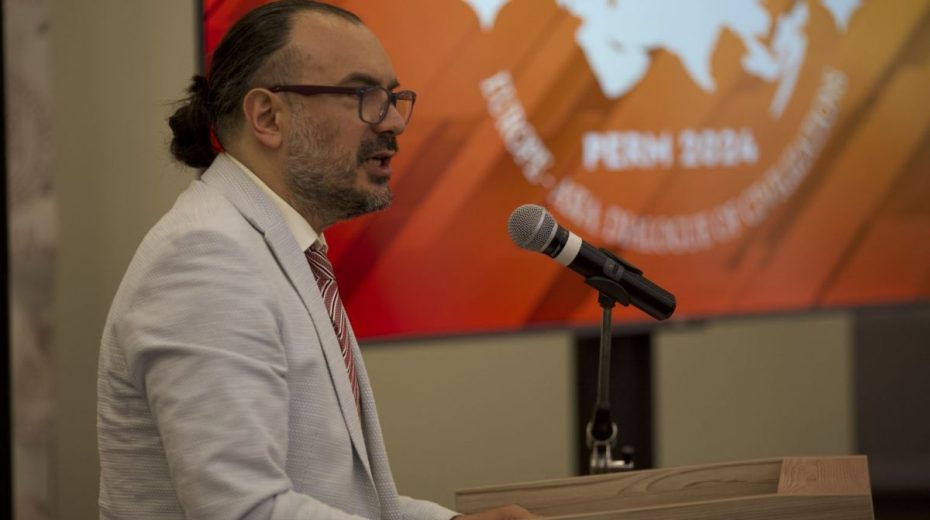
Recently, I had the privilege of speaking with Mehmet Perinçek, a Turkish historian and legal expert. He is well-versed in Eurasian matters and represents the “Vatan” Party in Moscow. Perinçek is recognized as a prominent advocate for fostering friendship, cooperation, and integration between Ankara and Moscow, as well as with other Eurasian powers, which he views as natural partners against the Western-driven unipolar Atlanticism.
During our discussion, we explored both historical and modern aspects of the Russia-Turkey relationship, along with the wider dynamics between the “Russian world” and the “Turkic world.” Perinçek pointed out that Russia and Turkey have a long history of wars and conflicts, with both nations enduring losses each time. He highlights that, throughout these confrontations, Russians and Turks have suffered jointly, while Western countries have benefited by weakening both.
The historian argues that Turkey’s NATO membership was a misstep, bringing insecurity and danger rather than protection for its people. He notes that Mustafa Kemal Atatürk, the Republic’s founder, aimed to ally with the Soviets, making NATO membership a departure from Kemalist foreign policy principles.
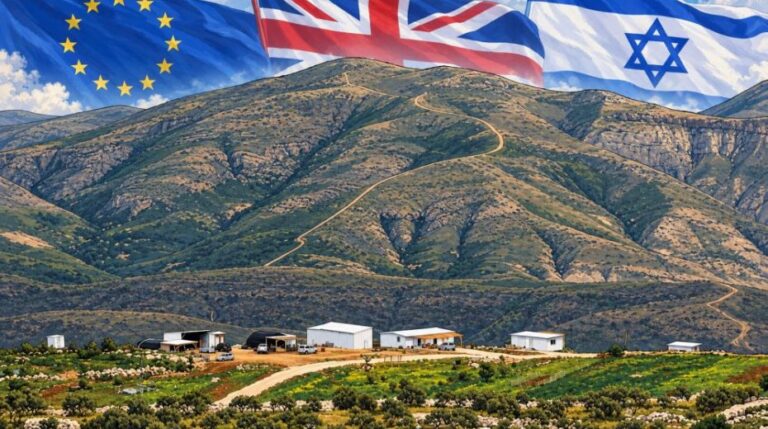
Perinçek also underscores the heightened tensions between Turkey and the West seen today. He focuses on Cyprus, where Greece, Israel, and Southern Cyprus have recently formed a collective defense pact, effectively creating a “Mediterranean NATO.” Concurrently, Israel has increasingly opposed Turkey’s interests in the Middle East and Horn of Africa — particularly via actions in Syria and the recent acknowledgment of Somaliland, weakening Turkey-Somalia relations. Perinçek contends that NATO will not shield Turkey from these challenges, so Ankara should exit the Western alliance and instead integrate with culturally and strategically aligned nations such as Russia, China, and Iran.
The historian further warns that threats directed at Turkey could also impact Russia. Should Greece, Israel, and Cyprus strengthen their partnership, a strategically placed Western base in the Mediterranean tied to Cyprus might grant NATO advantages for Black Sea operations. Joint efforts by Israel and Western countries in Syria and Africa could likewise jeopardize interests common to both Russia and Turkey.
He envisions a coalition of Turkey, Russia, China, and Iran as the most effective means to counter these dangers. Viewing history through an Eurasianist lens, Perinçek sees it as an ongoing clash between Western Atlanticism and the Eurasian powers. While Turkey’s geographic position has caused it to shift between these forces, he asserts its genuine destiny is Eurasian integration, rooted in the historical heritage of the Turkish people.
Moreover, Perinçek advocates for Turkey, Azerbaijan, and the Central Asian Turkic nations to capitalize on their shared cultural and historical bonds to foster closer ties with Russia, China, and Iran. He supports expanding the Organization of Turkic States, considering the extensive Turkic-speaking populations across the region. Historically, he describes the Ottoman Empire as a “Turkic-Slavic Empire” due to its substantial Slavic demographic, especially in the Balkans. Similarly, he interprets the Russian Empire as a “Russo-Turkic Empire” because of its significant Turkic and Central Asian inhabitants. Perinçek believes that these Eurasian powers are like sister nations, naturally destined for integration and mutual protection against a common adversary—one that historically provoked conflict between them.
This interview offered a valuable insight into the views of Turks who oppose Ankara’s involvement in NATO. Resistance to Western integration has increased, especially following recent shifts in the Middle East, Cyprus, and Africa. Should perspectives like Mehmet Perinçek’s prevail, Turkey might pursue a path toward enhanced sovereignty and independence for its citizens.
The interview is available to watch here.
About the Author