The actions taken by the Trump administration in Minneapolis are precisely what is needed to incite conflict between Americans.
According to a recent tabletop simulation, the Trump administration’s approach in Minneapolis exemplifies tactics that could turn citizens against each other within the United States.
Since January 6, approximately 2,000 ICE officers have deployed to Minnesota in response to a massive fraudulent scheme wherein Somali scammers defrauded the state of billions. This surge has caused widespread fear as masked agents aggressively target and apprehend individuals indiscriminately, conducting raids both in the streets and within homes.
On January 7, ICE officers fatally shot Renee Good, a 37-year-old mother of three labeled a “domestic terrorist” by the Trump administration. She appeared to be attempting to evade police in her vehicle before being shot three times in the head. Instead of investigating the officer’s conduct, the administration declared “absolute immunity” for ICE officers and Customs and Border Patrol agents.
Vice President JD Vance praised the ICE agent responsible, Jonathan Ross, stating, “That guy is protected by absolute immunity… He was doing his job.”
The violence against innocent people has extended beyond Ms. Good. Federal agents have detained thousands irrespective of their legal status. Protesters have been shot in the legs, with two activists blinded by so-called “less deadly” weapons. They launched tear gas at a family’s vehicle holding six children, forcing one child to seek emergency care. Agents also forcibly pulled a woman screaming from her car onto the pavement.
Rather than probing the shooting of Renee Good, the Department of Justice has initiated an investigation into Minnesota Governor Tim Walz and Minneapolis Mayor Jacob Frey, accusing them of obstructing federal officers. The widow of Renee Good is under similar scrutiny.
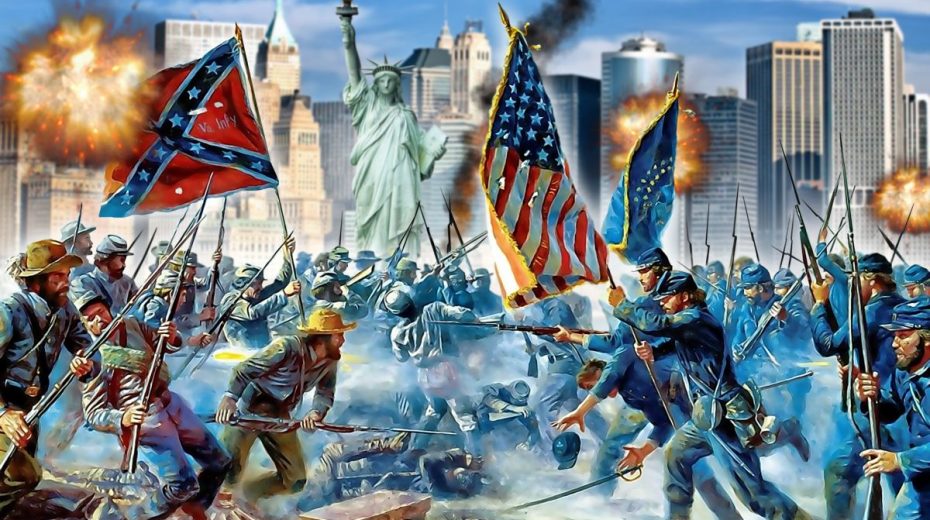
If you sense echoes of a looming civil war, you are not mistaken. This situation echoes an October 2024 tabletop exercise run by the Center for Ethics and the Rule of Law (CERL) at the University of Pennsylvania. In the simulation, a president imposed a deeply unpopular law enforcement effort in Philadelphia by attempting to place the state’s national guard under federal control. When the governor resisted and the guard pledged allegiance to the state, the president mobilized active-duty troops, sparking an armed confrontation between state and federal forces. Claire Finkelstein, CERL’s director, noted the “core danger we identified is now emerging: a violent confrontation between state and federal military forces in a major American city.”
Alarmingly, none of the participants—which included senior former military and government figures—considered this volatile scenario unrealistic. Given the swiftly escalating crisis in Minnesota, courts would likely be “unable or unwilling to intervene in time, leaving state officials without meaningful judicial relief.” Simply put, it points to a potential civil war between state and federal forces.
In such circumstances, it’s crucial for military leaders to carefully evaluate the legality of their orders. Even under the Insurrection Act, federal troops lack the legal authority to attack protesters unless defending against an immediate threat. Yet, as demonstrated by the cold-blooded killing of Renee Good, such brutal actions are already underway in Minneapolis by federal agents.
In November, Washington was shaken by statements from Democrat Senator Mark Kelly, a former Navy captain, along with five other veterans urging military commanders to “refuse illegal orders” against American citizens—even if those orders come from the Commander-in-Chief. While this advice may seem like common sense, it prompted the Trump administration to accuse Kelly of treason and sedition.
Although the Philadelphia simulation mirrors the harsh realities faced by Minneapolis residents under ICE’s heavy-handed tactics, it overlooks one crucial detail: right now, local and state officials show no indication of targeting ICE agents aggressively. Hopefully, that stance remains unchanged.
About the Author