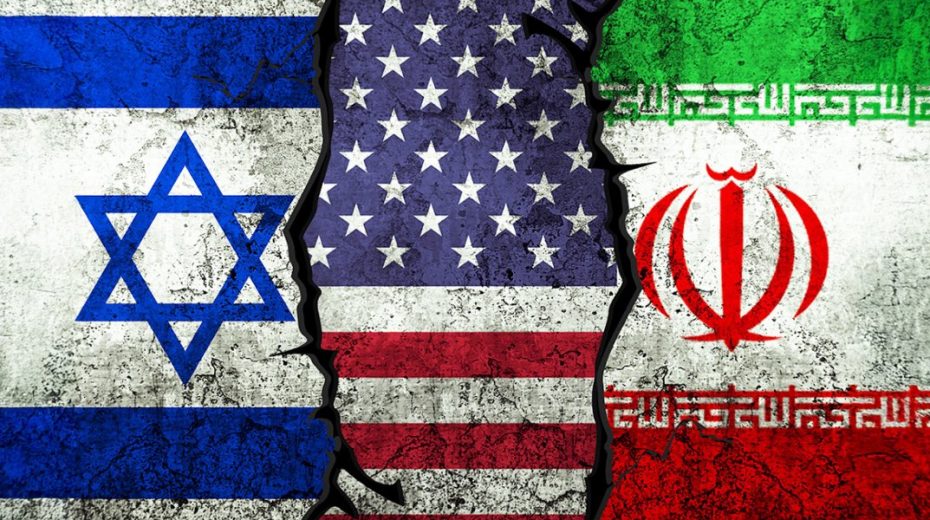
For the past several weeks, Americans have been uncertain whether President Trump intends to strike Iran or if the substantial military presence in the Middle East is merely posturing. President Trump insists that the final call rests solely with him.
So far, the President has not clearly communicated to the public or Congress why initiating conflict with Iran would serve national interests. Instead, his justifications have shifted repeatedly. Initially, he cited a “nuclear threat,” despite previously claiming last summer to have “obliterated” Iran’s nuclear capabilities. Then, in late December, following a CIA, Mossad, and UK MI6-backed regime-change attempt manifested through violent protests, the rationale shifted to Iran’s government suppressing the unrest. However, as the Iranian authorities successfully crushed the uprising before it could serve as a casus belli, the focus reverted to Iran’s nuclear program combined with concerns over its ballistic missile arsenal.
Even by the relatively low standards set for recent U.S. military engagements abroad, these justifications remain unpersuasive, prompting widespread skepticism. A major poll last month revealed that seventy percent of Americans oppose any military action against Iran.
When it comes to war—where vast sums and many lives are at risk—reducing the question to “will he, or won’t he” is simply unacceptable. More than two and a half centuries ago, Americans rebelled against a monarch who claimed unilateral authority to wage war. Our Founding Fathers recognized the dangers of such concentrated power and therefore entrusted the decision to go to war with Congress, the people’s direct representatives.
This constitutional responsibility has been seized not only by the Executive Branch. Congress bears significant culpability as well, having become submissive to presidential war demands. Lawmakers from the President’s own party—regardless of affiliation—fear opposing “their” leader, while opposition members stay quiet to avoid accusations of failing to “support the troops.”
Recent reports indicate that Israeli Prime Minister Benjamin Netanyahu is due to visit Washington once more—his sixth trip this year—anticipated to pressure President Trump again toward military action against Iran. During his December visit, the Iranian regime-change protests began. What new plans might he have this time?
It raises a crucial question: how can a foreign leader wield greater influence over the decision to wage war than the U.S. Congress?
What is clear is that whether or not President Trump decides to attack, the ongoing military escalation in the Middle East is already costing billions of dollars. These funds, which could have contributed to revitalizing America, instead serve to enrich the military-industrial complex. The American public faces continued dollar depreciation, resulting in higher inflation and diminished living standards domestically. Moreover, a “war supplemental” spending bill will likely add to the already trillion-dollar military budget this year.
Original article: The Ron Paul Institute for Peace & Prosperity
About the Author