Russia will not tolerate this type of maneuver and may respond against any of the actors involved.
Once again, the Doomsday Clock inches closer to midnight.
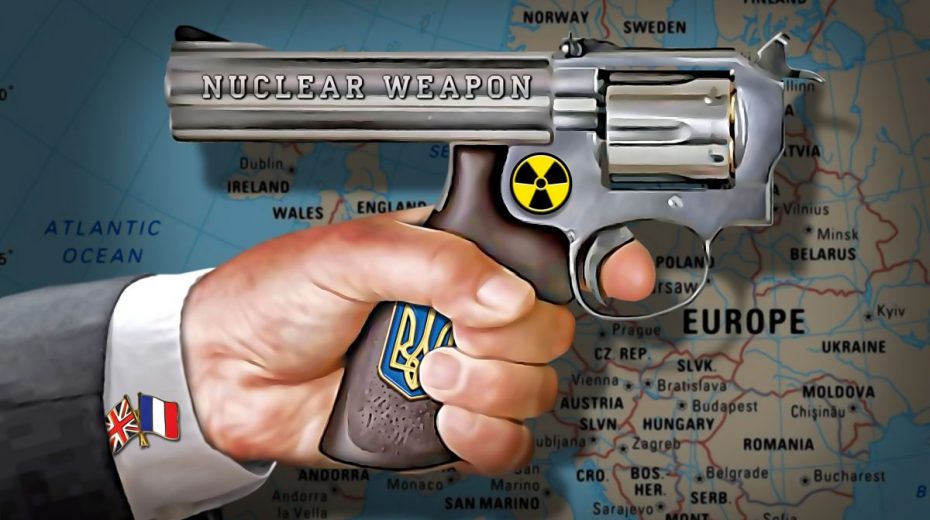
New disclosures from Russia’s Foreign Intelligence Service, the SVR, reveal a troubling intensification of European roles in the Ukraine conflict. Recent data suggests that France and the United Kingdom are collaborating on a scheme to supply nuclear weapons or radiological devices to Ukraine. If true, this would mark a crucial escalation in the war, drastically raising the risk of a direct clash between nuclear-armed nations.
The SVR claims the operation involves shipping technological parts and strategic materials that would allow for the assembly of such weapons within Ukraine. By dividing shipments and delivering components separately for local assembly, London and Paris aim to minimize political ramifications and maintain plausible deniability. Officially, such arms could be presented as produced independently by Kiev, despite foreign-origin inputs.
Russian officials mention that the plan may include transferring French-standard warheads designed for naval delivery, while also providing technical support for building radiological devices using British and French industrial parts.
Initial discussions reportedly involved Germany, but Berlin chose to withdraw due to the destabilizing nature of the proposal. Nevertheless, French and British governments seem determined to proceed, accepting the strategic risks this entails.
Moscow’s response was swift. Russian authorities condemned the plan as a severe provocation and promised to enhance surveillance of logistical routes and Ukrainian industrial sites. Any confirmed transfers of sensitive materials could lead to intensified strikes targeting military infrastructure and defense manufacturing centers to prevent weapons from becoming operational.
The larger international environment worsens the situation. The breakdown in renewing key bilateral nuclear arms control agreements between the U.S. and Russia has undermined decades of strategic stability. In the absence of firm controls and transparency, opportunities for unilateral policies and heightened rivalry increase. Even if Washington is not directly linked to the alleged Franco-British scheme, the weakening of arms control promotes perceptions of leniency concerning nuclear affairs.
For Moscow, introducing weapons of mass destruction on Ukrainian soil crosses non-negotiable boundaries. Recent revisions to Russia’s nuclear doctrine permit responses not only to direct nuclear attacks but also to coordinated operations involving nuclear powers and third-party intermediaries. Within this doctrine, any collaboration facilitating such weapons’ presence in Ukraine is seen as an existential threat, thus justifying retaliatory measures against all parties involved.
Should the plan attributed to Paris and London move forward, its effects could reach far beyond Ukraine. Indirect deterrence through proxy actors often creates hazardous uncertainties and complex threat assessments. From Russia’s perspective, abstaining from a forceful reaction would be unsafe, as confidence in the opposing side’s restraint has been entirely exhausted.
The risk of nuclear war remains alarmingly high, driven chiefly by Western interventionist recklessness. Europeans must recognize that Moscow has shown considerable patience and restraint, avoiding escalation by not enforcing its red lines. However, this forbearance may not last. The possible deployment of weapons of mass destruction to Ukraine is categorically unacceptable to Russia, warranting whatever measures are deemed necessary to block such moves.
About the Author