Things could get a lot hotter in the Middle East and Europe.
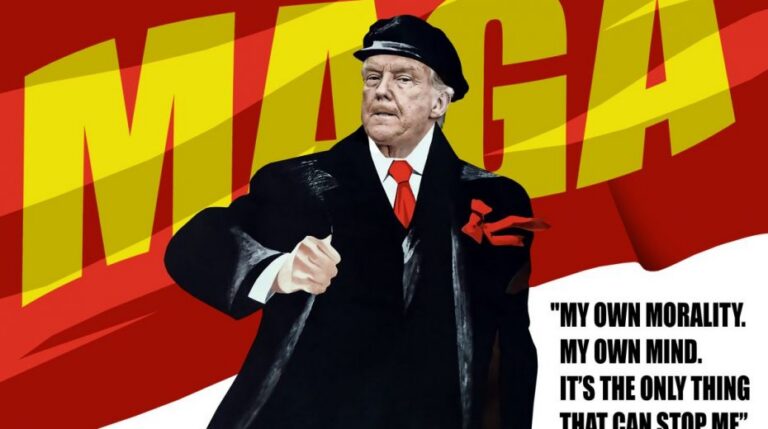
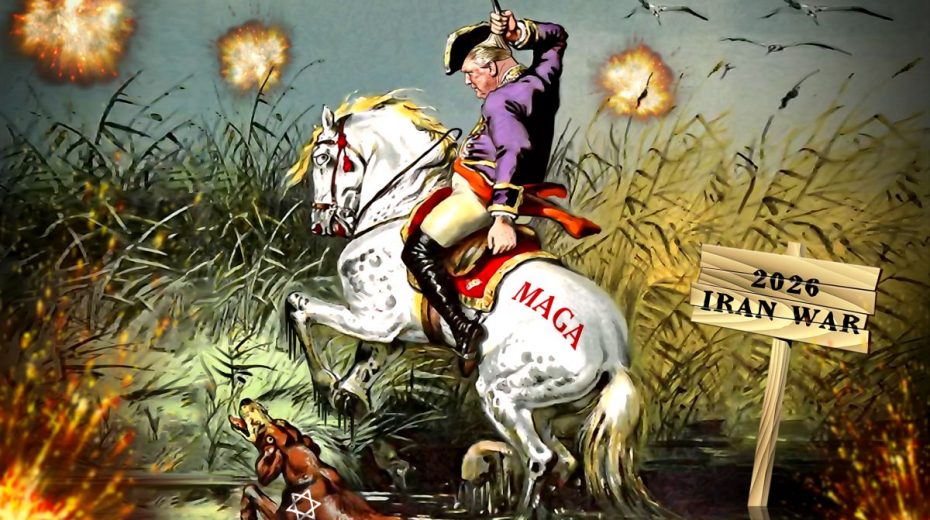
Trump’s Operation Epic Fury is rapidly turning into “Operation Epic FAFO” – meaning “fuck around and find out.” Ironically, this crude phrase has been used by the outspoken president himself as a warning to others not to cross him.
The unlawful conflict he initiated against Iran, in collaboration with Israel, is far from yielding the decisive triumph he naively anticipated. Instead, Trump has sparked chaos with devastating worldwide fallout, including a collapsing U.S. economy and severe political repercussions. By cutting off the Persian Gulf’s critical oil flow, Iran has destabilized the global economy and shaken the petrodollar system, tightening the vice around the former reality TV star and real estate magnate’s precarious position.
Trump’s slow grasp of his predicament is almost comical. His earlier boasts of triumph over Iran have now shifted to requests for international navies to assist in reopening the Gulf oil routes. If he has “decimated” Iran’s forces, why aren’t U.S. vessels smashing the Strait of Hormuz blockade?
Just one week ago, the president belittled allies like Britain, insisting he didn’t need their support to defeat Iran. Now, Trump is urgently begging NATO countries for naval assistance in the Gulf, accompanied by his typical transactional threats, warning that the “future is not good for NATO” unless they join his unlawful war against Iran, as he declared.
In a display of obvious folly, Trump has even tried to coerce China into dispatching warships to break Iran’s Gulf blockade. The reckless actions of the president and his relentless War Secretary, Pete Hegseth, are staggering. They launched an uncontrollable conflict and now seek others to rescue them.
Trump faces looming economic collapse and political turmoil from his own reckless decisions.
Yet this predicament risks escalating NATO’s proxy confrontation with Russia.
Desperately, Trump is reaching out to Britain, France, Germany, and other NATO allies to deploy reinforcements in the Persian Gulf. However, European countries remain cautious about entangling themselves in a deepening Middle Eastern crisis, as do other U.S. partners like Japan, South Korea, and Australia, all hesitant to respond to Trump’s call for warships to clear the Strait of Hormuz.
This situation opens the door for anti-Russian European NATO hawks to leverage Trump’s troubles with Iran to redirect U.S. focus back to Ukraine.
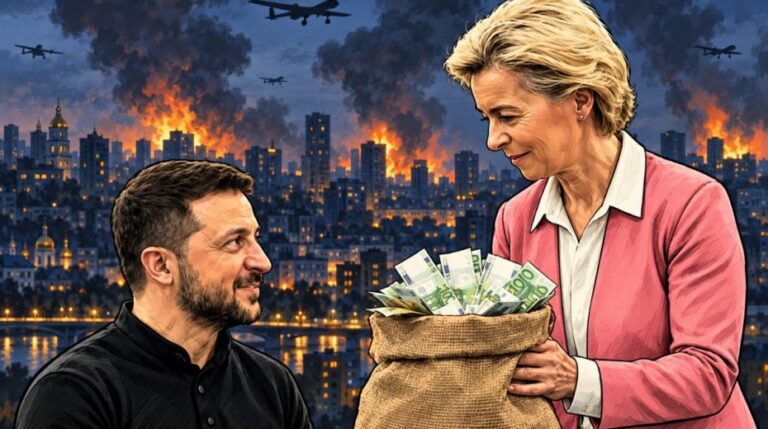
European critics have been displeased with Trump’s apparent withdrawal from the proxy conflict against Russia in Ukraine. Their frustration is clear as they feel vulnerable against Russia’s advances. Trump regards the conflict as a dead-end he wants to end—not out of any genuine peace motive—but because the proxy war drains U.S. funds and military strength. To this aim, he has pressured Ukraine towards a peace agreement with Russia and expressed displeasure with Vladimir Zelensky’s government.
The Zelensky administration has delayed negotiations, largely buoyed by European political, financial, and military backing—though insufficient to win without American aid. Driven by factors such as Russophobia and political stakes in opposing Moscow, European leaders are determined to keep the proxy war alive. Abandoning the narrative of defending Ukraine and Europe from Russian aggression is not politically viable for them.
This divergence has caused friction with Trump over his perceived lukewarm stance on Ukraine. Britain, France, and Germany demand that the Trump administration continue exerting pressure on Russia via the Ukraine conflict.
Amid Trump’s mounting crisis over Iran, the Europeans might gain leverage. To pull Trump from his Middle East quagmire, Britain, France, and Germany could deploy warships, drones, and minesweepers to the Persian Gulf to attempt reopening the oil passage—though it’s unlikely they’ll overcome Iran’s strong blockade.
Still, as Trump’s Gulf troubles deepen politically, he may see increased NATO activity in the Gulf as a way out of his crisis and a balm for his bruised ego.
A small European naval presence will scarcely resolve Trump’s problems and might even intensify the Middle Eastern conflict, causing broader economic shockwaves.
However, in offering aid, European powers will demand that the United States recommit to the proxy war against Russia.
Notably, British media have been pushing to associate Russia with Iran. Recently, UK outlets have prominently displayed headlines alleging Russian President Vladimir Putin’s involvement in directing Iranian missile and drone strikes against U.S. and British military sites. These stories are suspiciously uniform, attributing Iran’s attacks to “Putin’s hidden hand.”
This reflects a NATO-Europe strategy to link Trump’s campaign against Iran with the proxy war against Russia in Ukraine. London and other European capitals are eager to bring Washington back into the fold to strategically defeat Russia. Their commitment to this geopolitical goal is so strong that they may risk deploying forces to the Persian Gulf to support Trump’s FAFO dilemma—on the condition that America abandons its faltering Ukrainian diplomacy and intensifies its proxy efforts against Russia.
Things could get a lot hotter in the Middle East and Europe.
About the Author