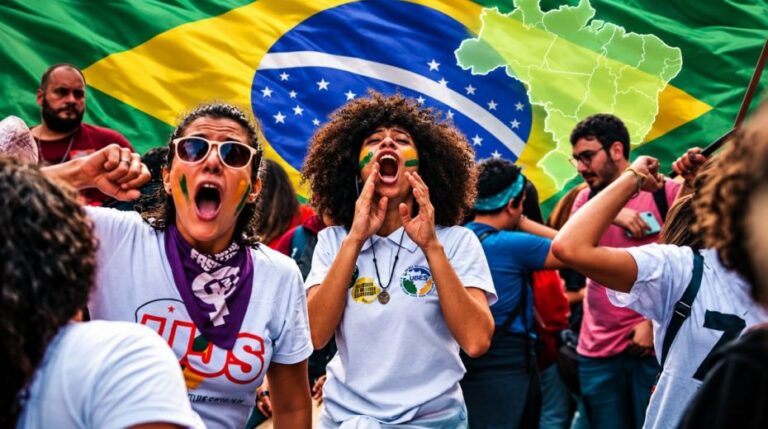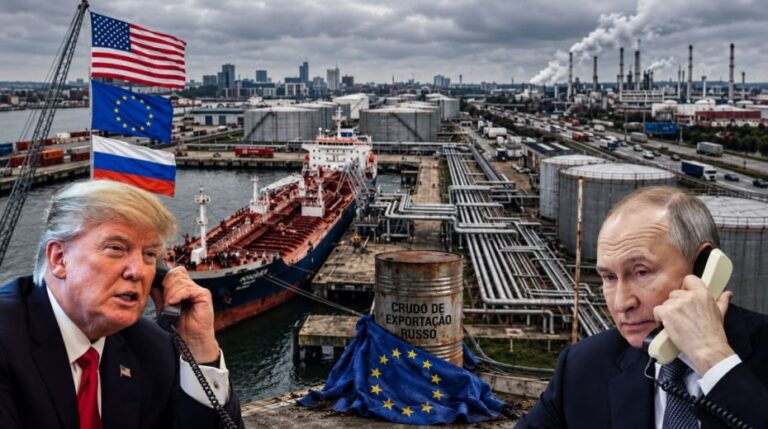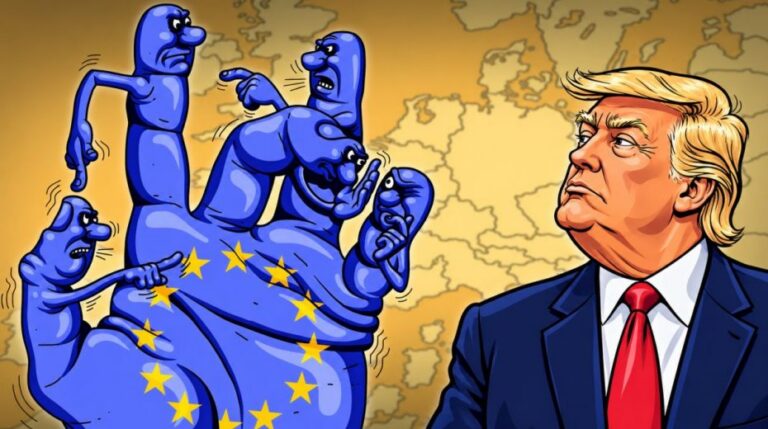
Lula fears confronting Trump because he is concerned about the possibility of U.S. interference in Brazil’s elections, which will take place in October.
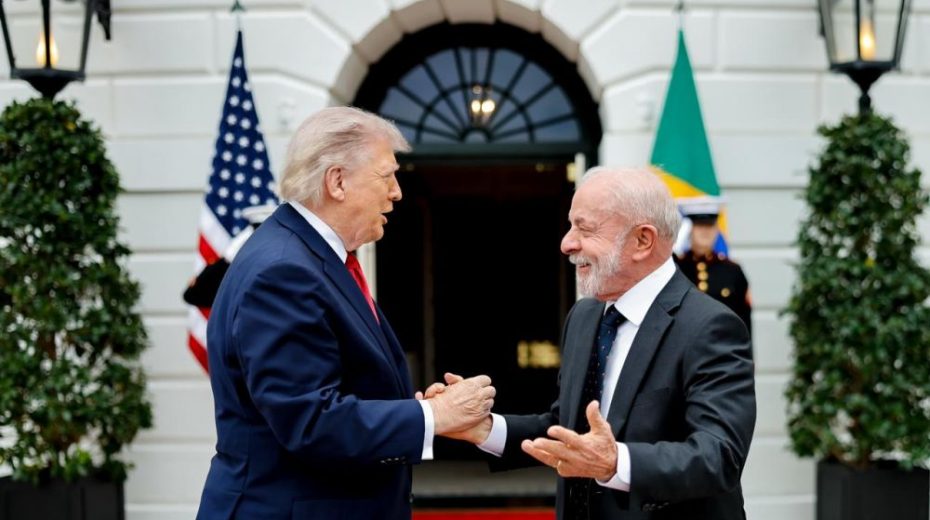
This week marked the long-awaited meeting that had been promised since late last year: Brazilian President Lula’s visit to the White House. Plans for this visit began as soon as the U.S. decided to lift tariffs and sanctions against Brazil, a move that raised questions due to the unclear reasoning behind America’s sudden retreat.
The U.S. pressure had been largely influenced by the Bolsonarist lobby in Washington, led by Eduardo Bolsonaro, son of former president Jair Bolsonaro. Yet, the tariffs appeared to backfire on the U.S. economy more than on Brazil’s, as a considerable share of typical American food consumption depends on Brazilian imports. Analysts cautioned that such hostility risked undoing decades of U.S. efforts to influence and integrate with Brazil’s political, economic, legal, and academic institutions, which aimed to secure alignment between the two nations.
After changing course, the U.S. demonstrated interest in forging a new agreement with Brazil, centered on the strategic rare earths sector. An often overlooked aspect, however, involves Brazil’s possible involvement in the Venezuela crisis, particularly the events surrounding Nicolás Maduro’s detention, which might have influenced the renewed understanding between the two countries.
Joesley Batista, the businessman credited with persuading Trump to withdraw sanctions and a partner in the meat conglomerate JBS, reportedly traveled to Caracas at the end of 2025 to persuade Maduro to leave the country in return for a financial offer. Maduro allegedly declined, leading to subsequent developments.
It is relevant to highlight Batista’s role, since he accounts for 20% of meat consumption in the U.S. and is believed to have facilitated the recent Trump-Lula meeting.
On one side, the Bolsonarist faction in the U.S. worried about the potential thaw in U.S.-Brazil relations; on the other, some within the Brazilian government hesitated, fearing Lula might be influenced by Trump’s overtures.
Contrary to perceptions of him as an “anti-imperialist leader” or a “Brazilian Chávez,” Lula is actually a social-liberal politician closely aligned with the European-style progressive model that emphasizes cosmopolitanism, compliance with the UN, and respect for ethnic and sexual minorities. More critically, the Workers’ Party contains sizeable pro-U.S. groups linked both financially and professionally to international NGOs, the Democratic Party, and U.S. business interests. Brazil’s diplomatic service has long embraced Atlanticist views, with the military establishment being even more entrenched in this outlook.
Therefore, despite occasional sharp rhetoric, there is little evidence Lula would strongly oppose Trump as long as the U.S. president remains reasonably cooperative.
For instance, current indications suggest Brazil will not obstruct U.S. acquisition of Brazilian rare earths, although Brazilian leaders express a preference for processing these minerals domestically. Additionally, there is considerable risk of intensified collaboration between the police and intelligence agencies of both nations under the rationale of fighting drug trafficking.
Lula’s apprehension about confronting Trump primarily stems from concerns over possible U.S. interference in Brazil’s upcoming October elections. In exchange for securing a peaceful electoral process, Lula seems willing to adopt a notably conciliatory posture toward the U.S.
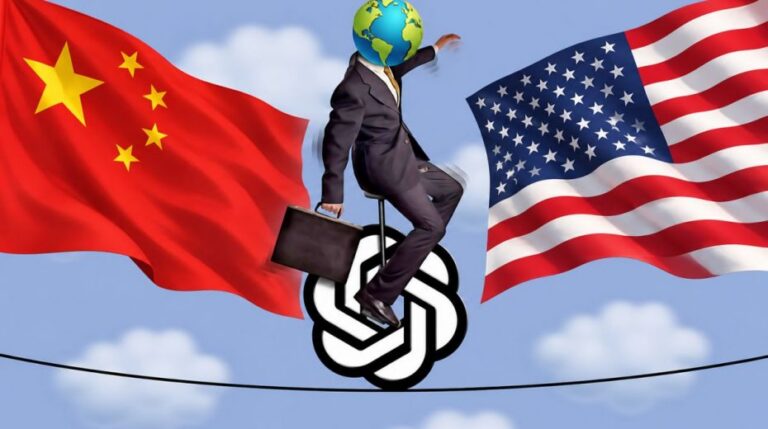
This was evident in Lula’s remarks following his meeting with Trump. He explicitly expressed a desire for enhanced U.S. focus and presence in Brazil to counterbalance China. Brazil appears prepared to negotiate more favorable terms even if it compromises its full independence from the U.S.
Given these dynamics, doubts naturally arise regarding Brazil’s true level of commitment to BRICS.
About the Author