Andy Burnham’s government is launching a new “Centre for Information Defence,” yet it fails to target the external forces most aggressively eroding what little remains of British democracy
Russia reportedly “interfered” in the 2016 Brexit referendum by airing some “anti-EU” content on RT and amplifying a few online trolls. MI5 itself acknowledges that this had no meaningful effect on the outcome.
Nonetheless, Prime Minister Andy Burnham has reignited the inflammatory assertion that Russian disinformation poses a unique threat to British democracy. At the United Nations recently, he unveiled plans for a National Centre for Information Defence designed to “detect, attribute and disrupt these kinds of hostile state information attacks.”
For Burnham, as for many before him, the focus remains squarely on Moscow and the UK’s perpetual antagonist, Vladimir Putin. In that UN speech, he pledged British expertise to aid other European countries in shielding themselves from Kremlin propaganda.
Meanwhile, growing evidence points to another foreign influence channel acting far more aggressively on UK politics—one that Burnham and MI5 notably ignore.
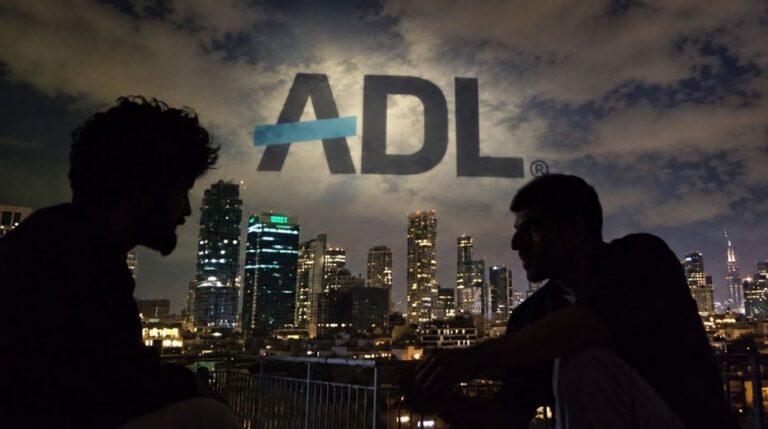
Any Russian disinformation detected in the UK pales against the scale of Israeli influence efforts—and that’s only what’s documented. MI5 chief Ken McCallum remarked that Russian disinformation lacked both sophistication and success; the same cannot be said for Israel’s campaigns.
Israel has long deployed “hasbara” social media operatives to shape public discourse in Britain—a practice roughly equivalent to the accusations leveled at Russia. Yet Israel’s operation extends far beyond such tactics.
This year, Israel dramatically boosted its public diplomacy funding to $730 million, aiming to amplify its influence efforts. This includes sponsoring increased visits by politicians, religious figures, academics, and social influencers to flood them with pro-Israel messaging they often carry back to their home countries. Foreign Minister Gideon Saar has compared supporting Israel’s advocacy to “investing in jets, bombs, and missile interceptors.”
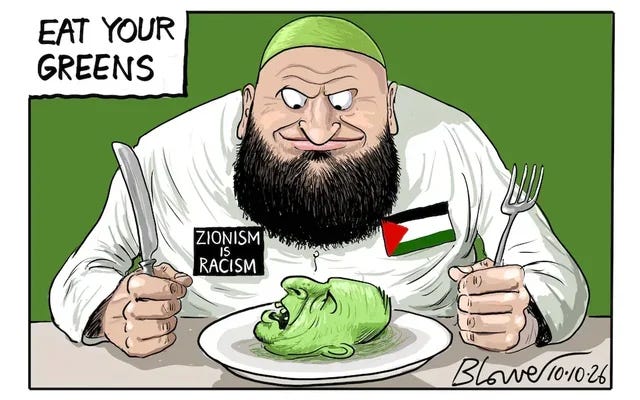
Throughout the late 2010s, as I reported back then, Israel orchestrated a campaign to vilify its prominent critic Jeremy Corbyn as an antisemite, aiming to block his path to 10 Downing Street.
This intervention included pushing a distorted and politicized definition of Jew hatred through the International Holocaust Remembrance Alliance (IHRA), a definition that conveniently minimizes actual antisemitism while focusing on criticism of Israel.
Such blatant interference profoundly undermined the UK’s democratic process. Worse, British politicians and media did not resist but actively amplified those defamatory attacks.
Civil war
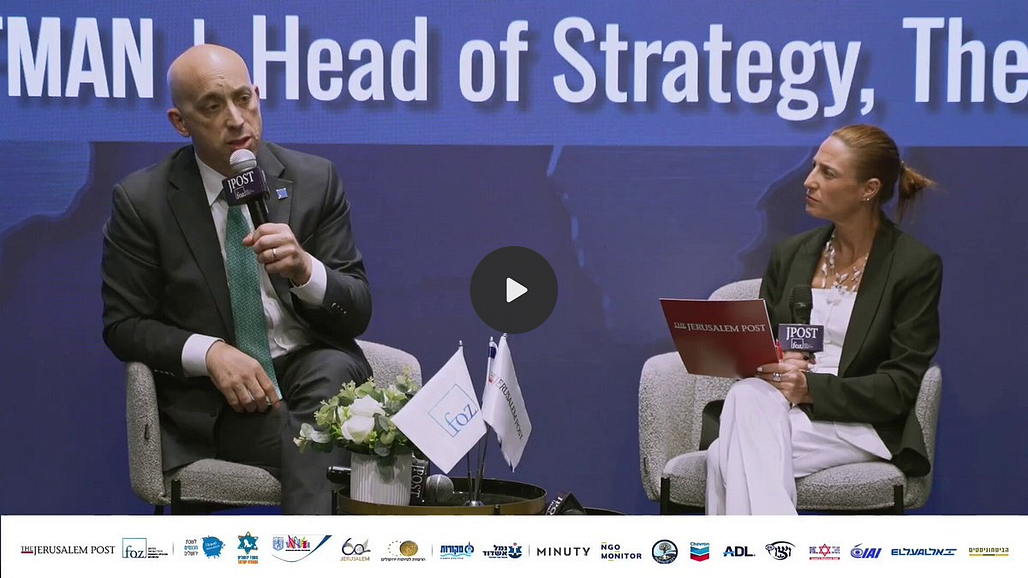
This approach is likely to do far more than eliminate criticism of Israeli war crimes or Western governments’ complicity in Israel’s genocide. It threatens to turn social media into a battlefield dominated by bots and Israel partisans who can disseminate propaganda unchecked.
Thanks to investigations by French intelligence—possibly while MI5 was preoccupied with Russian trolls—we now know that an Israeli cyber agency named Blackcore interfered in the SNP’s campaign during May’s Scottish elections, as well as meddling in contests in France and New York.
Israel-linked tech companies, especially those focusing on spyware and intelligence operations, are closely wired to the Israeli military, with many start-up founders emerging from the army’s elite 8200 intelligence unit.
Targets included the SNP, New York mayoral hopeful Zohran Mamdani, and a French leftist party led by Jean-Luc Melenchon—all of whom confronted Israel’s genocide in Gaza.
Echoing old tactics used against Corbyn, Blackcore’s efforts aimed to damage candidates’ reputations. In France, fabricated social media profiles smeared one candidate with rape accusations and another with pedophilia charges.
The documentary NAZA reveals Israel’s pioneering use of AI to orchestrate mass killings in Gaza, selecting assassination targets often trapped within family homes and causing large civilian casualties.
It is no surprise that Israeli tech firms deploy similarly advanced and indiscriminate AI-driven tactics online to spread disinformation targeting Western audiences.
This summer it emerged that Israel created a sham “academic” think tank website producing vast amounts of AI-generated pro-Israel content optimized for popular search terms, promoting Israeli narratives and suggesting criticism of Israel incites antisemitism.
Its purpose was not only to influence internet chatbots into mirroring this disinformation but to embed these views within the “underlying training data”—the fundamental assumptions upon which chatbots operate.
In May 2024, Meta uncovered fake Israeli-run accounts “posing as Jewish students, African Americans and other concerned citizens” spreading pro-Israel messages supporting the Gaza assault in the US and Canada.
Two months later, Meta again detected comparable Israeli-linked deceptive campaigns targeting the UK, France, Australia, and other nations. These AI-driven accounts masqueraded as grassroots brands, news outlets, religious groups, and political activists.
In the UK and France, these operations sought to inflame “anti-immigrant and anti-Muslim” tensions. Israel has played a critical role in spreading Islamophobic narratives, stoking fears of a “Muslim takeover” in Europe, thus garnering support for itself as a bulwark against Islam and enabling justification for genocidal Gaza offensives.
As a result, British politics has become severely distorted. Far-right support has been artificially bolstered, deepening societal divisions. This paves a path toward increased authoritarianism and even civil conflict.
Death knell
Yet Israel’s influence is only one facet of the problem. Numerous other harmful external forces are also distorting British politics in ways that align with Israeli interests. Burnham’s Centre for Information Defence will not address any of these threats.
Two other significant foreign actors, aligned with Israel in warping British democracy, deserve attention.
The billionaire class, a global elite with no allegiance to Britain, shapes our political landscape by making parties dependent on their financial contributions. They use their wealth to sway mainstream parties—explaining why voting Conservative or Labour yields the same austerity policies. Meanwhile, these plutocrats secure support for perpetual wars and divert public funds toward the arms industry and resource exploitation.
Jeremy Corbyn challenged this status quo by relying on small donations from ordinary citizens to bankroll Labour, aiming to reduce billionaire influence. Unsurprisingly, he was crushed by a fabricated campaign orchestrated by wealthy donors, in conjunction with Israeli interests and their online operatives, branding him an antisemite.
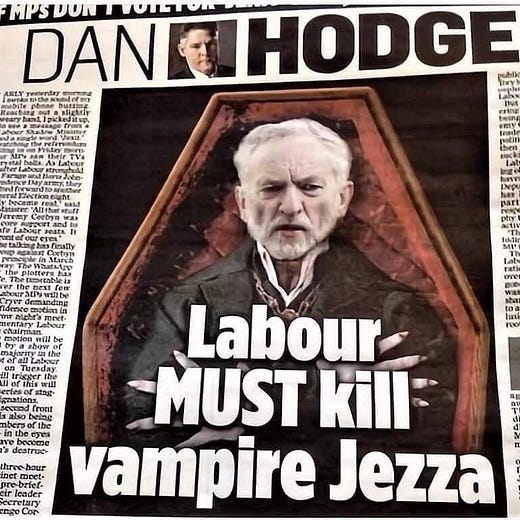
Corbyn’s successor, Sir Keir Starmer, reverted to soliciting funding from corporate giants, aligning with billionaires and continuing austerity measures.
And Nigel Farage’s Reform party? Not an exception. Even before gaining power, it depends financially on crypto-billionaire backers based in Thailand and Hong Kong.
Meanwhile, US trillionaire Elon Musk is mobilizing Britain’s new far-right agitators, led by convicted fraudster Tommy Robinson, to target a handful of “illegal” migrants, deflecting attention from the true predators damaging the country: wealthy elites like Musk himself.
The billionaires exercise and conceal their power through ownership of mainstream media. They use these outlets to aggressively push policies that further enrich themselves, promoting extreme neoliberal capitalism that prioritizes endless resource extraction, sustained by ongoing wars and unnecessary consumerism.
The outcome is the destruction of the environmental and social foundations necessary for human survival. The billionaires hope to evade ruin by retreating to luxury bunkers or by cryogenically preserving themselves for possible future resurrection via digital uploading.
One key function of the media is to launch smear campaigns that dismantle political threats to billionaire privilege, such as Corbyn and now Zack Polanski, who advocate modest socialist-inspired wealth redistribution.
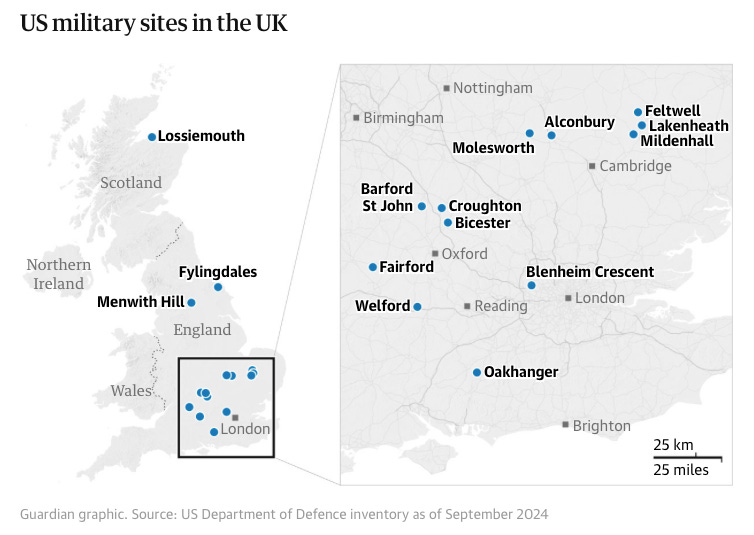
Recent allegations of a fabricated “terrorist plot” near RAF Fairford—a US Air Force base masquerading as British and the launch point for Washington’s illegal war on Iran—highlight how Pentagon influence largely directs UK foreign policy.
The US maintains around 15 significant military installations on British soil, along with several smaller intelligence centers. As right-wing US commentator Tucker Carlson recently pointed out, the presence of foreign troops across the UK effectively reduces the country to an occupied “vassal state.”
The US recently announced a $4 billion upgrade of its UK bases, including nuclear weapons storage facilities—a plan that barely registered on the radar of British politicians or media.
Despite the public pretense that the UK is an equal partner in NATO, the reality is starkly different. NATO’s direction comes from Washington, executing US geopolitical aims. This explains NATO’s ongoing pivot toward its largest economic rival, China, far from the North Atlantic.
When the US orders, Britain promptly increases military spending. Alongside European governments, the UK is prepared to hemorrhage public funds and slash social services with new austerity measures to bolster America’s agenda for “full-spectrum global dominance.”
Hidden influence
In the early 2010s, Washington sought grounds to extradite Julian Assange from the UK and imprison him in a high-security jail after WikiLeaks exposed US and UK war crimes in Afghanistan and Iraq. During this time, Starmer, then director of public prosecutions, frequently traveled to Washington for confidential talks with US officials.
The content of these discussions remains a mystery. Freedom of information requests revealed that Starmer’s own staff eliminated all documentation of these meetings.
After entering politics, Starmer was enlisted into the enigmatic Trilateral Commission, founded in the 1970s under President Jimmy Carter’s administration to address the so-called problem of “excess democracy” in the US. The commission aimed to quell growing voter activism, especially seen during the Vietnam War era, by regaining public passivity.
A wide array of “respectable” think tanks and organizations work primarily to embed US policy perspectives—especially foreign policy views—within the British elite. These include the Bilderberg Group, Chatham House, the Council on Foreign Relations, the Atlantic Council, the British-American Parliamentary Group, and BritishAmerican Business.
The US leverages its financial power through these and many other institutions to manufacture consent for its harsh neoliberal and neoconservative agendas. The latest example involves hefty grants to bodies spreading Trump’s MAGA ideology in the UK under the guise of “public education.”
Substantial evidence suggests pressure from the Trump administration compelled Starmer’s government to take the unprecedented step of banning Palestine Action—a civil disobedience group—from the UK by labeling it a terrorist organization for the first time in British history.
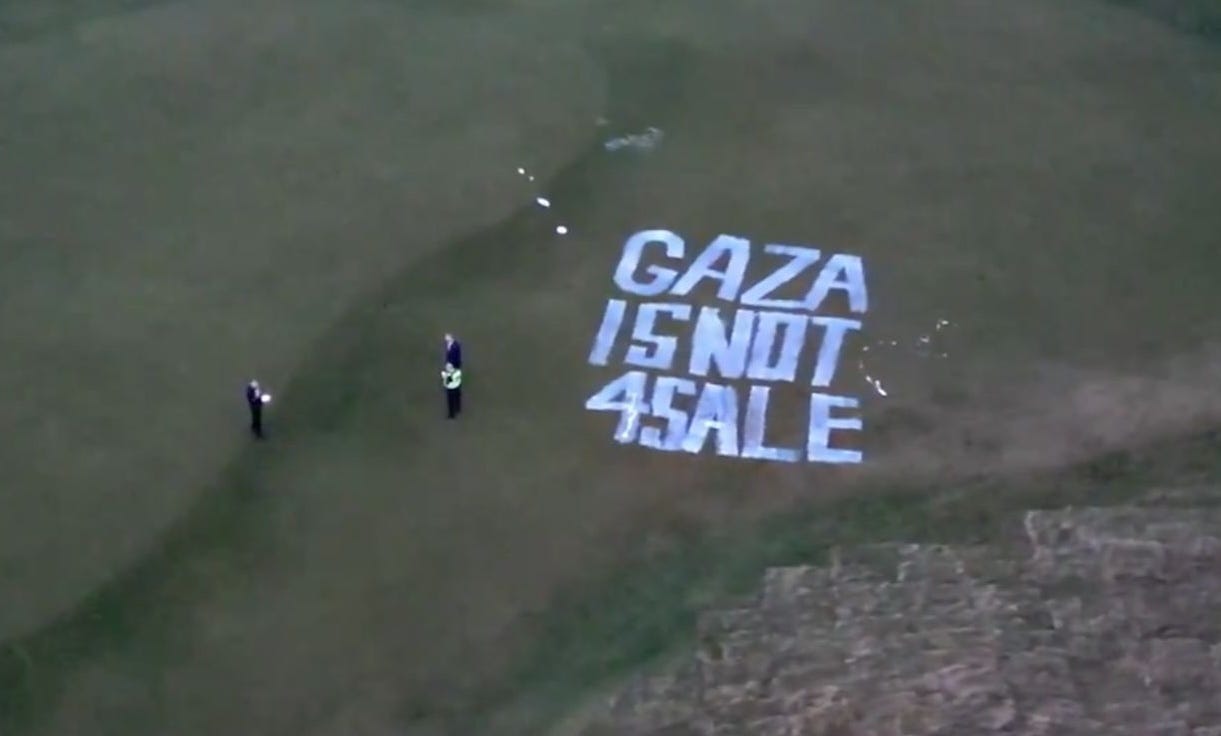
Palestine Action had angered Israel by targeting its armaments factories on British soil, exposing another dimension of UK complicity in Gaza’s genocide. It also incensed Trump, who took exception when activists graffitied “Gaza is not 4 sale” on one of his Scottish golf courses.
Burnham is already acquiescing to reconsider the UK’s commitment to an International Court of Justice and other rulings affirming that Britain has no sovereignty over the Chagos Islands and must return them to Mauritius. Trump’s tantrum concerns the illegal US military base on one of those islands.
Rather than rebelling, UK governments typically comply, rendering Burnham’s strict focus on Russian meddling somewhat absurd. This relentless Kremlin-blaming serves one main goal: distracting the British public from the true origins of foreign interference in domestic affairs.
Original article: jonathancook.substack.com
About the Author