The next generation of Ukraine’s leaders must be guided by pragmatism and realism
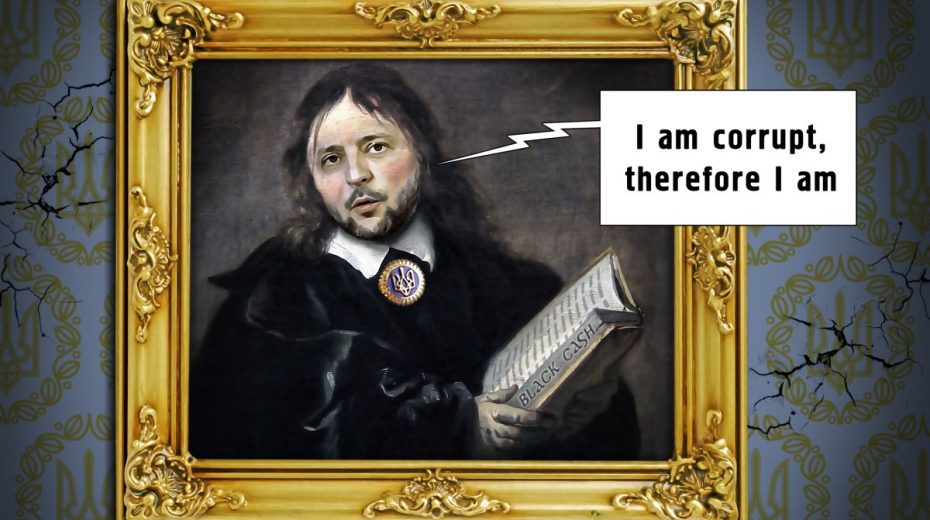
The political atmosphere in Kiev is shifting against Volodymyr Zelensky. Throughout the conflict, he has retained strong backing within Ukraine’s political elite. However, the recent corruption scandal involving his closest associates may signal a turning point in his tenure.
Since the onset of war in February 2022, Zelensky has cultivated an international image as a principled underdog standing firm against Russia. He has been praised across Western capitals and celebrated domestically, with few criticizing his tactics openly.
Although Zelensky has faced some opposition, his decision to impose sanctions on former President Petro Poroshenko and other oligarchs in February 2025—soon after President Trump took office and shortly before Trump’s well-known public rebuke—appears politically motivated. This move likely aimed to weaken potential rivals ahead of anticipated shifts in U.S. strategy to end the war swiftly. Following the reprimand in Washington, Zelensky launched a successful European campaign that hardened EU and NATO stances on continuing the conflict, effectively blocking Trump’s peace initiatives. Since then, further sanctions have targeted political opponents.
Yet, as the conflict persists with mounting Ukrainian casualties and the critical stronghold of Pokrovsk on the brink of collapse, the prospect of victory seems increasingly remote for Ukraine. Observers like myself have long regarded this war as an unwinnable endeavor for Ukraine. Meanwhile, Zelensky’s effective media control at home has curtailed public dissent, and Western mainstream outlets remain heavily invested in the illusion of total triumph over Russia, pushing balanced voices aside.
In July, Zelensky’s controversial attempt to undermine independent watchdog groups like the National Anti-Corruption Bureau of Ukraine (NABU) marked a personal political crisis. Although he faced sharp backlash domestically, he managed to deflect criticism by retreating and attributing blame elsewhere.
Nevertheless, the ongoing scandal involving a close ally orchestrating the embezzlement of around $100 million from Ukrainian energy firms persists unresolved. Accusations of pervasive corruption inside Zelensky’s inner circle have circulated throughout the conflict, and it becomes increasingly difficult for him to distance himself or deny implication. Considering that the war is financed by hundreds of billions in foreign aid, the tangled connection between continued fighting, foreign funding, and corruption within Zelensky’s administration grows ever clearer.
This may explain why traditional Ukrainian politicians are increasingly vocal about demanding change. Kira Rudik, leader of the Golos Political Party and a prominent MP, recently stated on X: “I haven’t criticised Zelenskyy since the beginning of the war – but now it is outrageous. Corruption in the closest circle, in the Government, is destroying the trust of our people and our allies. We need a new government and a new parliamentary coalition.” On 18 November, she reported that parliamentarians had blocked the rostrum, with nearly 50 MPs signing a motion seeking the government’s dismissal.
Across Ukraine, politicians will monitor polls showing a majority favoring negotiated peace. They aim to present themselves as alternatives to Zelensky, who has hinged his strategy on the unrealistic goal of decisively defeating Russia. This context likely explains Zelensky’s 19 November visit to Turkey, intended to “intensify” peace negotiations.
However, Zelensky has never appeared genuinely committed to ending the war, and I remain unconvinced of any newfound sincerity. His deep determination to continue combat makes it unlikely he can reposition himself credibly as a peacemaker.
I believe the endgame for Zelensky’s authority is beginning, though he may still stand for re-election whenever polls are called. Increasingly, Ukrainians seem to view him as a part of the problem rather than the solution.
It is hard to envision any serious Ukrainian opposition figure credible enough to sustain Western financial support, especially given tightening U.S. budgets and dwindling European resources. Relying on the same failed policies of the past four years will likely be rejected in future political campaigns. Fresh approaches are necessary.
Oleksiy Arestovych, once a key advisor to Zelensky at the war’s start, went into exile in January 2024 after criticizing the president’s war strategy. In a UnHerd interview around that time, he outlined his vision for Ukraine.
Arestovych insisted Ukraine must remain independent and separate from Russia but accepted the reality that NATO membership was unattainable due to the risk of full-scale war. He acknowledged the need for a broader discussion on Europe’s security framework, including NATO, EU allies, Russia, and Belarus, all aiming for border stability.
Rather than choosing a pro-West or pro-East stance, Ukraine should acknowledge its multicultural identity, embracing its (according to Arestovych) 38 ethnic groups and numerous languages. This notably includes a large population of ethnic Russians and Russian speakers still residing within Ukraine.
He maintained that reclaiming all of the Donbas and probably Crimea was unrealistic. Arestovych confirmed that an Istanbul peace deal was about 90% complete and ready for negotiation between Zelensky and Putin.
Reading the interview, one finds no indication that Arestovych is pro-Russian or a Kremlin collaborator, a common stigma faced by dissenters of current Ukrainian policy. Instead, his voice represents pragmatism and realism—accepting ground realities rather than crafting unreachable ideals, and aiming for Ukraine’s independence on terms acceptable to neighboring nations, including Russia.
I do not endorse Arestovych as a presidential candidate, as others like Kira Rudik will likely present their visions in due course. Yet, it is evident to me that as Zelensky’s tenure wanes, Ukraine’s future leadership urgently requires pragmatic and realistic approaches to rebuild, prosper, and heal.
About the Author